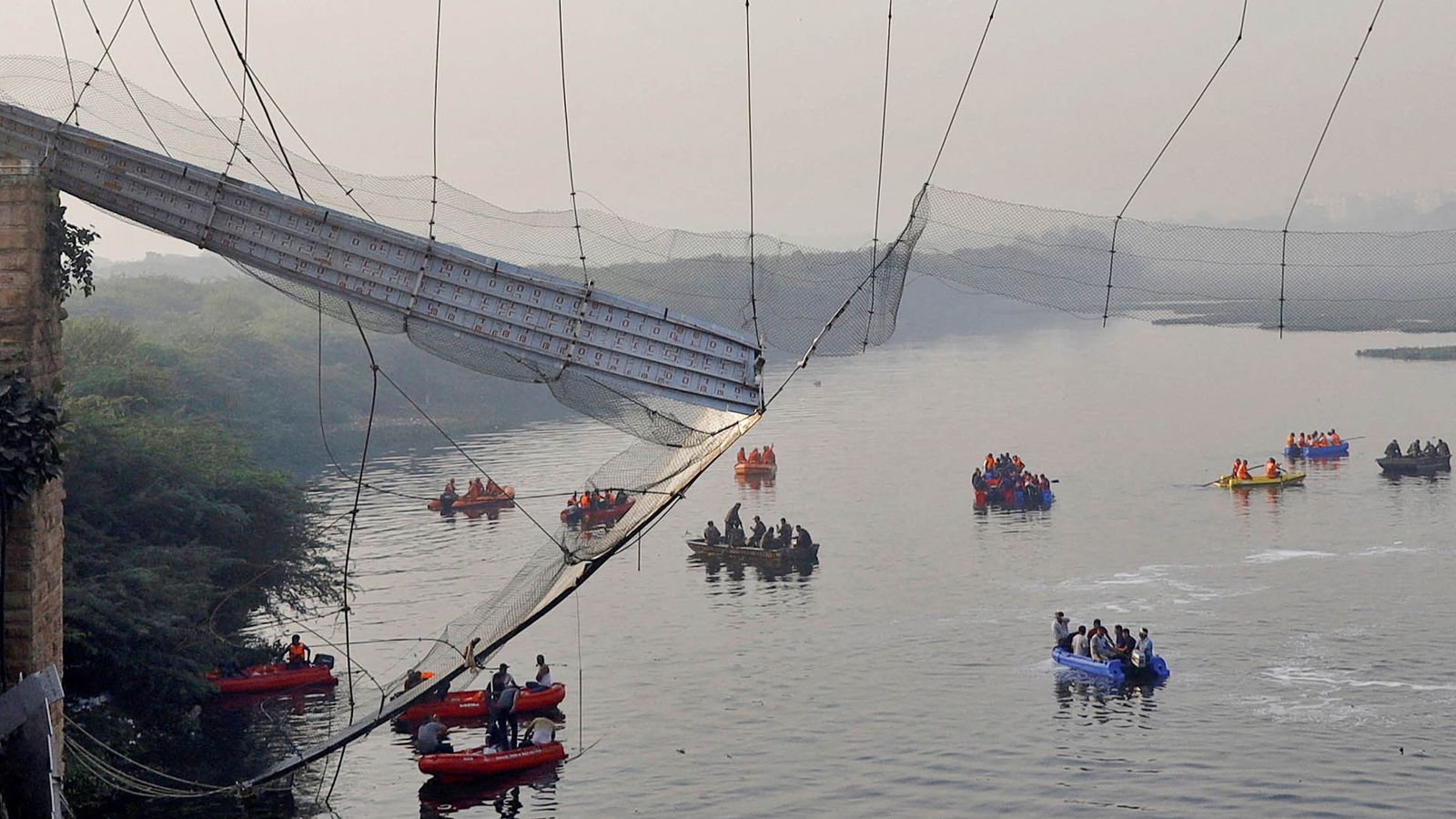
In a dramatic incident, a giant Iranian bridge collapsed after suffering severe damage, underscoring former U.S. President Donald Trump's commitments related to intensifying pressure on Iran. The event comes at a sensitive time as tensions between the United States and Iran escalate, raising questions about the potential impact of these policies on Iranian infrastructure.
The bridge, considered one of the most significant engineering projects in Iran, collapsed unexpectedly, causing panic among citizens. Fortunately, the incident did not result in major injuries, but it raised widespread concerns about the safety of public facilities in the country.
Details of the Incident
According to reports, the collapse occurred late at night, with the bridge connecting two major cities in Iran. Images and videos circulated on social media showcased the extent of the destruction inflicted on the structure, reflecting the fragility of infrastructure amid the challenging economic conditions the country faces.
Iranian authorities have initiated an investigation into the causes of the collapse, with some reports suggesting that the economic pressures resulting from U.S. sanctions have affected the government's ability to maintain vital facilities. Additionally, there have been calls from some Iranian lawmakers to hold accountable those responsible for this failure.
Background & Context
This incident occurs against the backdrop of rising tensions between Iran and the United States, especially following Trump's withdrawal from the Iranian nuclear deal in 2018. The sanctions imposed by the U.S. administration have led to a deterioration of the Iranian economy, directly impacting infrastructure projects.
Since then, Iran has experienced a series of economic and social crises, with rising unemployment rates and declining living standards. This collapse reflects the direct impact of U.S. foreign policies on the internal situation in Iran, increasing pressure on the Iranian government.
Impact & Consequences
The collapse may have far-reaching political and economic implications in Iran. It could lead to increased public discontent towards the government and bolster opposition calls for radical reforms in the country's management. Furthermore, the incident may open the door for more international criticism regarding Iran's management of its vital projects.
On the international front, this incident could affect relations between Iran and Western countries, as it may be used as evidence of the failures of Iranian policies in crisis management. This could heighten pressure on Tehran to reconsider its economic and political strategies.
Regional Significance
The collapse has potential implications for the Arab region, as any deterioration in Iranian conditions could lead to heightened tensions in the Gulf area. Arab countries are closely monitoring developments in Iran, as any unrest could impact regional security.
Moreover, the incident may strengthen the position of countries seeking to exert pressure on Iran, complicating the political landscape in the region. Under these circumstances, there may be an urgent need to find diplomatic solutions to ease tensions.
In conclusion, the collapse of the Iranian bridge reflects the significant challenges the country faces under current conditions. As economic and political pressures continue, the future remains uncertain for Iran and the region as a whole.