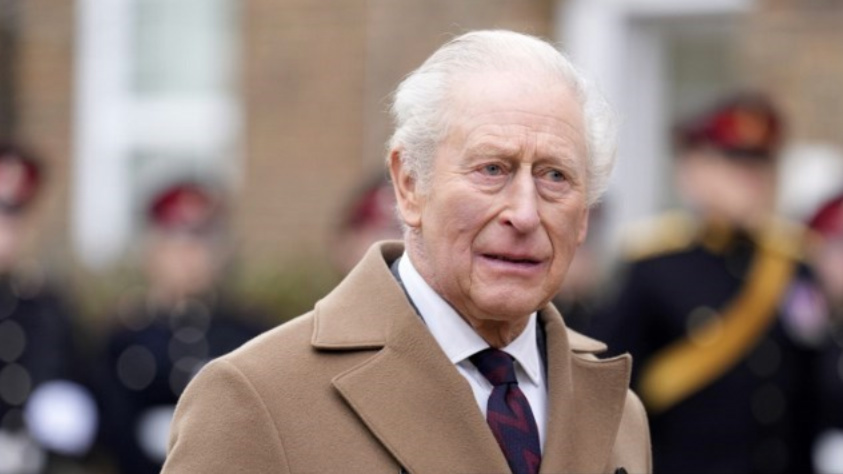
In controversial remarks, former New York Mayor Rudy Giuliani asserted that King Charles III might be Muslim, indicating that Muslims "want to dominate" Britain. These statements were made during an interview with British journalist Piers Morgan, where Giuliani discussed the political situation in the United Kingdom and the influence of Muslims within it.
Giuliani, who served as attorney for former U.S. President Donald Trump, expressed his concerns that Britain could become a Muslim country within the next decade. He pointed out that the Catholic Church has become larger than the Anglican Church in England, which opens the door to perceptions of King Charles as a potential Muslim monarch.
Details of the Interview
During the interview, Giuliani stated: "I have people from England telling me that you will become a Muslim country within ten years." He further added that "the Catholic Church is now larger in England than the Anglican Church, and Charles III could become the Muslim king of England." These remarks come at a time when concerns are rising about the influence of Muslims in British politics, with Giuliani noting that there are several Muslim mayors in the country, including Sadiq Khan, the Mayor of London.
In contrast to Giuliani's statements, King Charles III is known to have a significant admiration for Islam, having learned Arabic to read the Quran. He has previously affirmed that Islam, Judaism, and Christianity are great monotheistic religions that share many values.
Context and Background
Historically, Britain has undergone significant changes in its demographic and cultural makeup, with the number of Muslims increasing markedly since the 1970s. Muslims in Britain are considered part of the social fabric, contributing to various fields from the economy to culture. In 1993, Charles, when he was the Prince of Wales, referred to Muslim communities in Britain as a "treasure" that adds to the richness of British culture.
However, Giuliani's statements reflect the concerns of some political and social circles regarding the influence of Muslims in British society. These remarks have sparked widespread debate about how British society deals with cultural and religious diversity.
Implications and Effects
Giuliani's statements raise questions about how political discourse affects relationships between different religions and cultures in Britain. Amid rising tensions over immigration and integration issues, such remarks could exacerbate divisions within British society. They may also impact British politics, as Muslims are viewed as an increasingly political force.
On the other hand, these statements could provoke reactions from Muslim communities in Britain, who may feel threatened by such claims. This could lead to enhanced efforts aimed at promoting dialogue between religions and cultures.
Significance for the Arab Region
These statements are significant for the Arab world, reflecting growing fears of Islamophobia in the West. Amid political and economic tensions in the region, these remarks could influence how Arabs perceive Islam in the West. They may also bolster efforts to improve the image of Islam in Western media.
In conclusion, Giuliani's remarks highlight the need for more dialogue and understanding between different cultures and religions. Values of tolerance and mutual respect must be promoted in the face of such controversial statements.