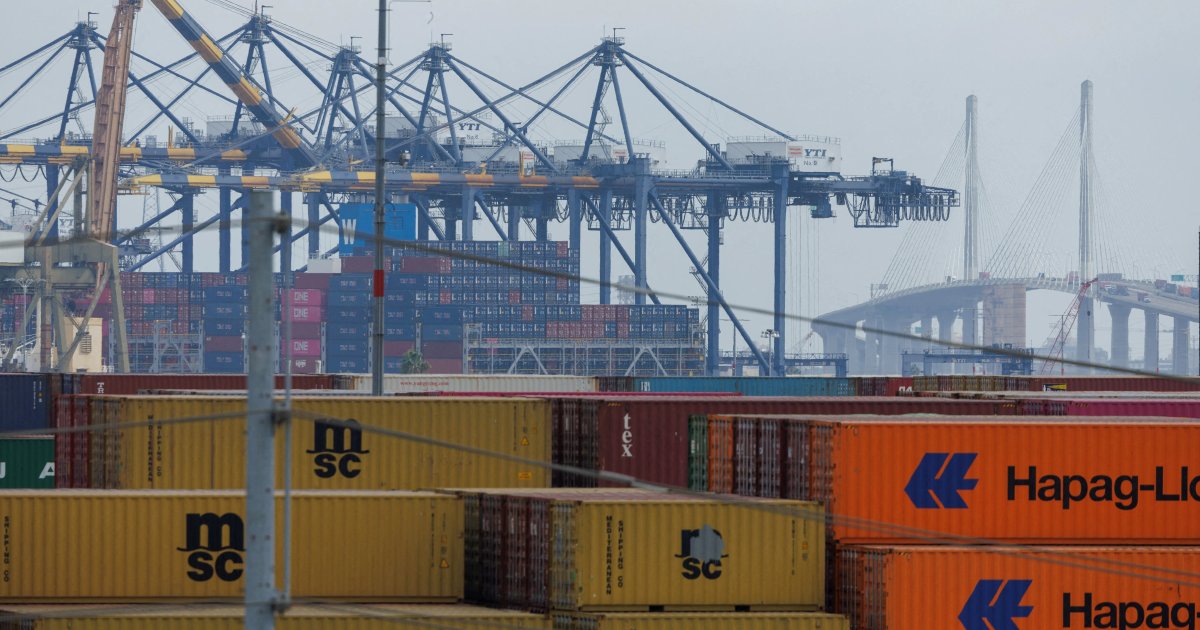
Recent economic reports indicate that the global economy has shown greater resilience than anticipated, despite the tariffs imposed by former U.S. President Donald Trump. These tariffs did not lead to significant retaliatory actions from other countries, reflecting the adaptability of the global economy to trade challenges.
These findings come at a time when the global economy is undergoing significant transformations, with forecasts suggesting that tariffs would escalate trade disputes between the United States and other nations. However, it appears that markets have responded positively, contributing to economic growth stability.
Details of the Event
The Trump administration imposed a series of tariffs on imported goods from China and other countries in an effort to protect American industry. However, there was no expected reaction from the targeted countries, as they did not impose similar tariffs significantly, which helped reduce the intensity of the trade dispute.
Data indicates that many American companies have adapted to the tariffs by altering supply chains or increasing domestic production. This adaptation has contributed to maintaining the stability of the U.S. economy, despite the challenges posed by trade policies.
Background & Context
In recent years, global trade has witnessed a rise in trade disputes, with many countries taking measures to protect their local industries. The imposition of tariffs by Trump was part of a larger strategy aimed at rebalancing international trade relations.
Although these policies raised widespread concerns in global markets, current results suggest that the global economy may be more capable of adapting to these challenges than previously thought. This also reflects changes in global trade dynamics, where companies have become more resilient in facing challenges.
Impact & Consequences
The results show that the global economy may be in a better position than previously believed, as the tariffs did not lead to a collapse of trade relations or significant economic recession. On the contrary, it seems that many companies have benefited from these changes by improving their efficiency and increasing their competitiveness.
This situation may open the door for further trade cooperation between countries, as nations may seek to enhance trade relations rather than enter into new disputes. Additionally, these dynamics may influence future economic policies, potentially leading to changes in how countries engage with international trade.
Regional Significance
For the Arab region, these results may be encouraging, as they could enhance opportunities for trade cooperation between Arab countries and others. In light of global economic challenges, it may be crucial for Arab nations to strengthen their trade relations with international partners.
The relative stability in the global economy may also contribute to attracting foreign investments to the region, boosting economic growth and creating new job opportunities. This could have a positive impact on economic development in Arab countries.
In conclusion, it appears that the global economy has demonstrated greater resilience than expected, opening new horizons for future trade and investment cooperation.