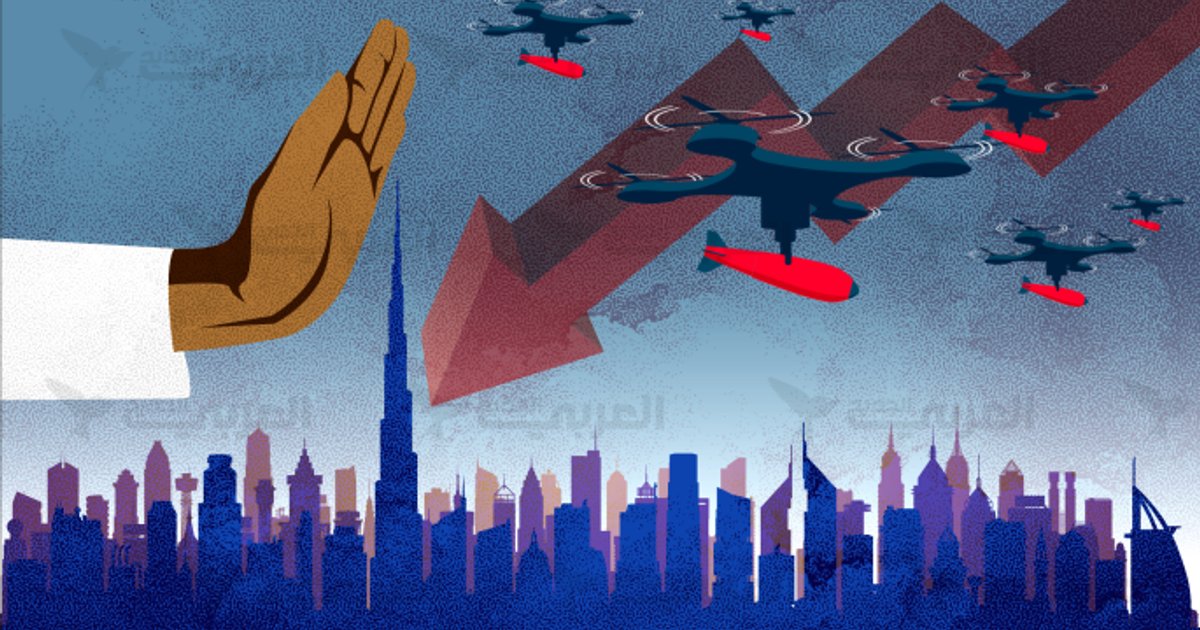
The global economy today is in a state of instability, appearing as if it is stuck high in a tree, fleeing from the floods of successive crises. This analogy captures the current situation faced by the economy, which is encountering multiple challenges due to global political and economic events.
The crises threatening economic stability are on the rise, ranging from financial crises to geopolitical tensions. In these circumstances, the economy finds itself in a difficult position, with increasing risks and complex challenges. The current state of 'no war and no peace' contributes to heightened uncertainty, adversely affecting investments and economic growth.
Details of the Current Situation
Several factors have led to this state, starting from trade disputes between major powers to health crises impacting supply chains. Additionally, climate change plays a significant role in exacerbating economic crises, causing an increase in natural disasters that affect agricultural and industrial production.
Moreover, the rising prices of energy and essential goods contribute to increased inflationary pressures, affecting consumers' purchasing power and intensifying economic crises. In this context, governments must take effective measures to address these challenges, including enhancing economic policies and international cooperation.
Background & Context
Historically, the global economy has witnessed numerous crises that have impacted its stability. From the 2008 financial crisis to the repercussions of the COVID-19 pandemic, these events have served as harsh lessons for nations. The recurring crises indicate an urgent need to rethink global economic policies and adopt more resilient strategies.
In recent years, it has become evident that the global economy requires comprehensive restructuring. The current challenges necessitate greater cooperation among nations to confront crises and adopt policies that support sustainable growth while minimizing risks.
Impact & Consequences
Economic crises affect all countries, but developing nations bear the brunt of the impact. Economic instability can exacerbate poverty and increase unemployment rates, affecting social and political stability. These crises may also lead to heightened tensions between countries, increasing the likelihood of conflicts.
These conditions require nations to take urgent action to mitigate the effects of crises. A coordinated international response is essential, where international organizations can play a crucial role in providing support to affected countries.
Regional Significance
Arab countries face significant economic challenges amid these global conditions. The escalating crises are impacting economic growth in the region, with many countries suffering from rising unemployment rates and declining investments. Political crises in some nations further complicate the economic situation.
In this context, Arab countries must enhance economic cooperation among themselves and adopt policies that support sustainable growth. Strengthening investments in vital sectors such as renewable energy and technology can contribute to improving the economic situation in the region.
In conclusion, the global economy today faces unprecedented challenges and requires an effective response from nations and communities. International cooperation and the adoption of flexible policies can help overcome these crises and achieve economic stability.