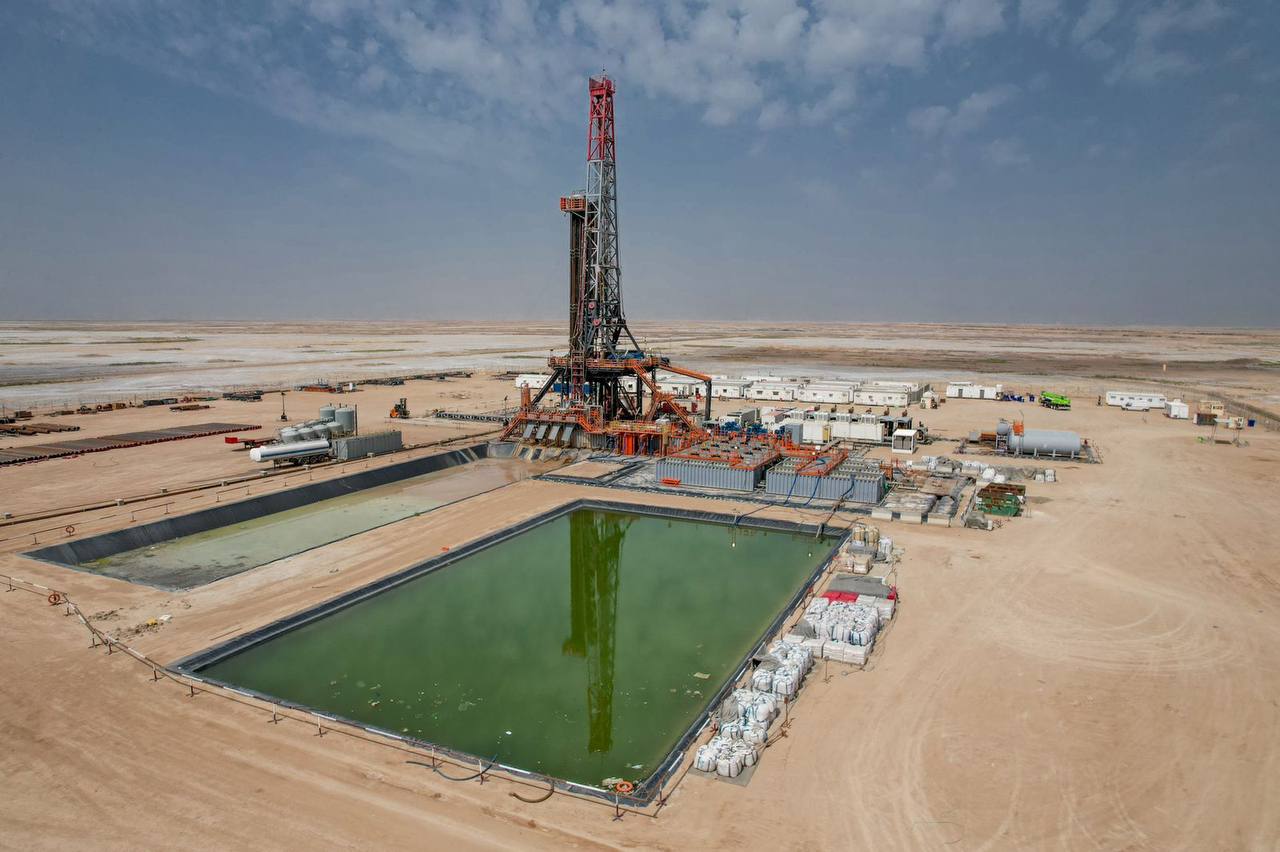
Two Iraqi officials in the oil sector have confirmed that Iraq does not intend to withdraw from the Organization of the Petroleum Exporting Countries (OPEC) or the OPEC+ alliance. This statement came in response to the UAE's announcement of its departure from the group, which has raised concerns about the future of the alliance and its impact on the oil market.
The officials clarified that Iraq prefers a strong organization to ensure oil prices remain at acceptable levels. Iraq is one of the largest oil producers in the world and heavily relies on oil revenues to fund its budget.
Details of the Event
The UAE announced earlier today its decision to withdraw from the OPEC+ alliance, leading to mixed reactions in the markets. This decision has caused concern among some member countries, as the alliance is considered one of the key factors influencing global oil prices.
In contrast, Iraqi officials reaffirmed that Iraq will remain committed to OPEC's goals, emphasizing the importance of coordination among member countries to ensure market stability. This commitment comes at a sensitive time, as oil prices are experiencing significant fluctuations due to various economic and political factors.
Background & Context
The Organization of the Petroleum Exporting Countries (OPEC) was established in 1960 to coordinate oil policies among member countries. Since then, the organization has played a vital role in determining global oil prices. In recent years, the OPEC+ alliance has been formed, which includes countries outside the organization, enhancing cooperation among producers.
The oil market faces significant challenges, including changes in global demand, geopolitical tensions, and technological developments in the energy sector. The UAE's withdrawal from OPEC+ could impact the balance of power within the organization, especially amid increasing competition among producing countries.
Impact & Consequences
The UAE's withdrawal could affect the stability of oil prices in global markets. This may increase pressure on other member countries to maintain production levels, which could negatively impact prices if there is a lack of agreement among members.
Furthermore, this decision may lead to a reevaluation of strategies among oil-producing countries, as they will need to consider how to navigate changes in alliances and cooperation among nations. This could result in shifts in oil policies, affecting investments in the energy sector.
Regional Significance
The UAE's decision to withdraw from OPEC+ represents a turning point in relations among oil-producing countries in the region. This withdrawal could lead to changes in the economic and political dynamics among Arab oil-producing nations.
Moreover, the stability of oil prices is crucial for Arab economies, as many countries rely on oil revenues to fund their development projects. Therefore, any changes in oil alliances could directly impact economic stability in the region.
In conclusion, Iraq remains committed to OPEC, reflecting the importance of cooperation among oil-producing countries in facing global challenges. As market tensions continue, it will be essential to monitor developments and their impact on oil prices.