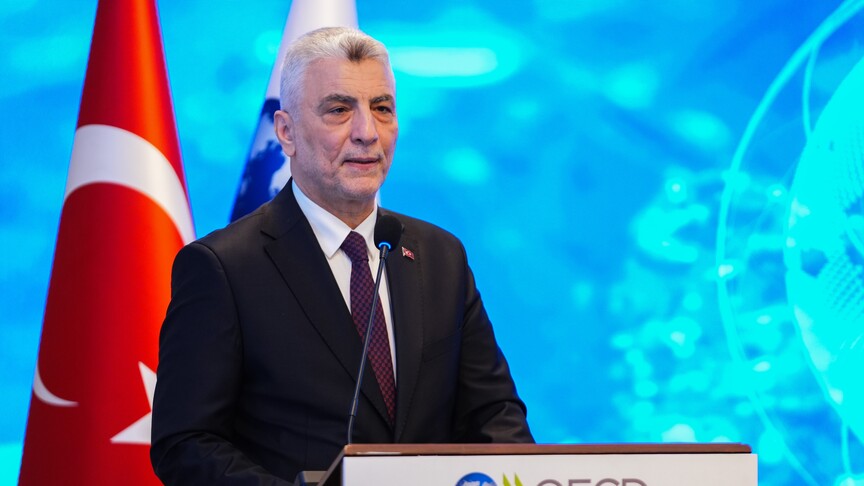
Turkish Minister of Industry and Technology, Muhammad Bulat, stated that the growing reliance on critical minerals such as lithium and cobalt poses a threat to the global economy, especially in light of what is known as the "dual transition," which includes a shift to clean energy and digital transformation. These remarks were made during a press conference held in Ankara, where Bulat emphasized the urgent need for measures to address the challenges associated with the supply of these minerals.
Bulat pointed out that dependence on critical minerals could exacerbate economic crises, particularly with the rise of trade protectionism in many countries. He confirmed that these minerals have become essential in battery manufacturing and modern technology, increasing the importance of securing their supplies.
Details of the Issue
Bulat's statements come at a time when the world is witnessing significant changes in energy and technology markets. Lithium is considered a key component in the production of electric batteries, while cobalt is used to enhance the performance of these batteries. With the increasing demand for electric vehicles and smart devices, securing sources of these minerals has become imperative.
He also noted that countries with large reserves of these minerals may benefit economically, but this reliance could also lead to geopolitical conflicts. Bulat highlighted that Turkey is seeking to develop new strategies to enhance its ability to secure supplies of critical minerals.
Background & Context
In recent years, there has been a surge in demand for critical minerals, leading to rising prices. In this context, many countries have become reliant on importing these minerals from other nations, exposing them to supply shortages. Recently, some countries have begun imposing restrictions on the export of these minerals, escalating trade tensions.
Historically, minerals like lithium and cobalt were considered secondary materials, but with the shift towards clean energy, these minerals have become pivotal in achieving environmental goals. This transition requires countries to reassess their economic and trade policies to ensure the sustainability of their supplies.
Impact & Consequences
Reports warn that increasing reliance on critical minerals could worsen economic crises in developing countries, which may struggle to secure supplies of these minerals at reasonable prices. Furthermore, escalating trade protectionism could increase tensions between major nations, affecting global economic stability.
Moreover, the environmental impacts of using these minerals may raise concerns among local communities, necessitating governments to take steps to ensure the sustainability of mining and extraction operations.
Regional Significance
These warnings highlight the importance of securing supplies of critical minerals and their impact on the global economy, which calls for immediate action. The geopolitical landscape is shifting, and nations must navigate these complexities to maintain economic stability.
In conclusion, the increasing demand for critical minerals and the associated risks underscore the need for strategic planning and international cooperation to address potential challenges and ensure a sustainable future.