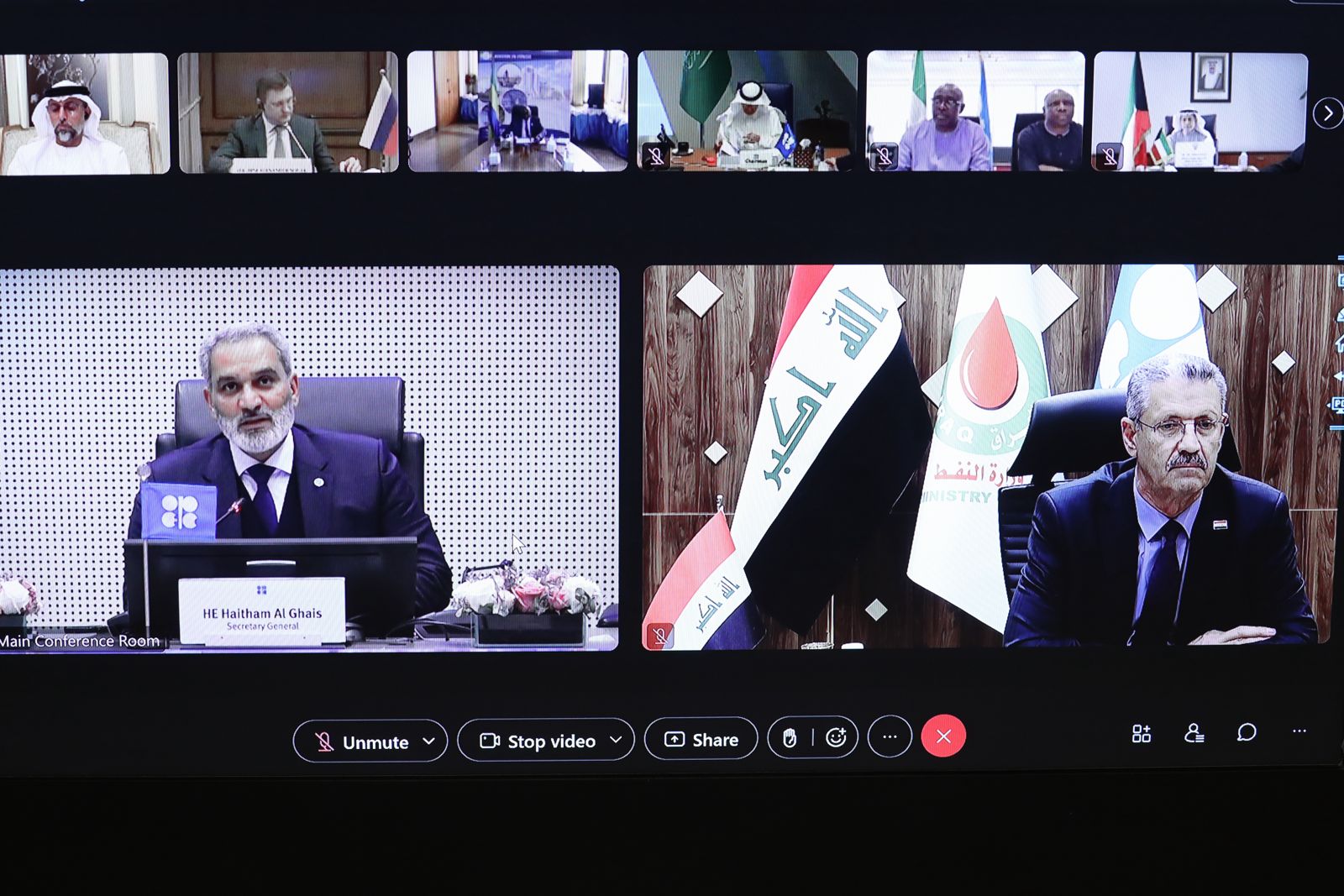
Two Iraqi oil officials confirmed to Reuters today that Iraq does not plan to withdraw from the Organization of the Petroleum Exporting Countries (OPEC) or the OPEC+ alliance. They indicated that Iraq prefers a strong organization to ensure oil prices remain at acceptable levels.
This statement comes after the United Arab Emirates announced earlier today its withdrawal from OPEC and the OPEC+ alliance, effective from May 1. This UAE decision has raised questions about the future of cooperation among member countries and its impact on the global oil market.
Event Details
The OPEC organization is considered one of the most important global economic entities, comprising some of the largest oil-producing countries. This organization was established to regulate oil production and maintain price stability in global markets. In recent years, OPEC has formed an alliance with other oil-producing countries, leading to the creation of the OPEC+ alliance aimed at enhancing cooperation among member states.
While some countries are seeking to reduce their dependence on oil, Iraq remains committed to cooperating with OPEC. Iraqi officials have confirmed that stabilizing oil prices is vital for the Iraqi economy, which heavily relies on oil revenues.
Background & Context
Historically, Iraq has faced significant challenges in the oil sector, especially following the political and economic crises it has experienced. These crises have affected Iraq's ability to increase its oil production and compete in global markets. Nevertheless, Iraq continues to strive to enhance its position as one of the largest oil producers in the region.
Recently, Muthar Muhammad Saleh, the financial advisor to the Iraqi Prime Minister, indicated that the closure of the Strait of Hormuz has posed a significant shock to the Iraqi economy. The southern ports represent the main outlet for oil exports, making any disruption in this area directly impact oil revenues.
Impact & Consequences
The UAE's withdrawal from OPEC could lead to negative effects on market stability, as the UAE is one of the largest producers in the organization. This withdrawal may raise concerns among other countries about the possibility of achieving balance in production and prices.
Additionally, the decline in Iraqi exports by approximately 80% during March and the drop in production from about 4 million barrels per day to around 1.1 million barrels reflects the significant challenges Iraq faces in maintaining stable oil revenues. This has resulted in a revenue drop of about 70%, increasing economic pressures on the country.
Regional Significance
Oil prices are one of the main factors affecting the Arab economy as a whole. Therefore, any changes in OPEC or OPEC+ policies could impact Arab oil-producing countries. Under these circumstances, cooperation among member countries remains crucial to ensure market stability.
In conclusion, Iraq remains committed to cooperating with OPEC at a time when economic challenges are increasing. Maintaining stable oil prices is essential for ensuring the growth of the Iraqi economy and achieving sustainable development.