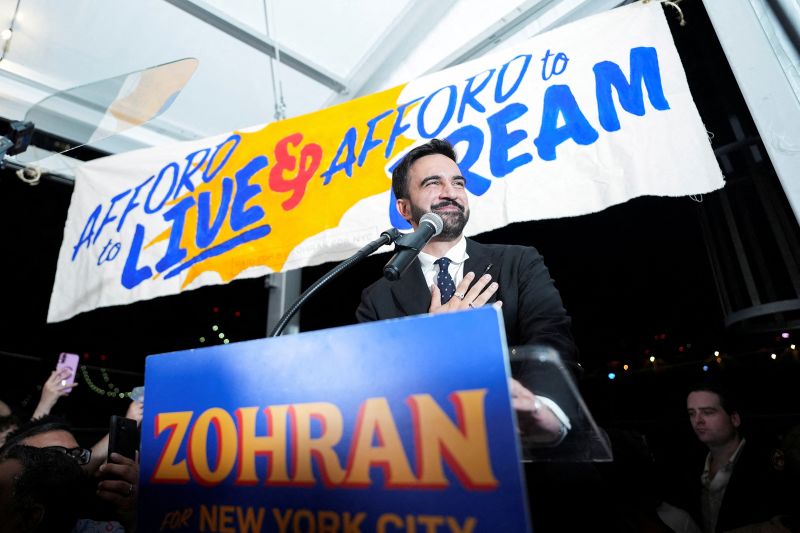
In a bold move, New York City Mayor Zoha Mamdani is postponing the massive budget of $127 billion to pressure the state government to cut tax breaks that hedge funds and private companies benefit from. This action reflects the new direction the mayor is taking in his quest for greater economic justice in the city.
This step comes at a time when New York City is facing multiple economic challenges, as Mamdani seeks to redistribute resources more equitably. He has pointed out that these tax breaks are considered unfair, as they primarily benefit large corporations at the expense of ordinary citizens.
Details of the Tax Breaks
The tax breaks granted to hedge funds and private companies are part of a complex tax system in the United States. Originally designed to attract investments, these breaks have become highly controversial in recent years. Mamdani believes that these exemptions contribute to widening the economic gap between the rich and the poor.
Under these circumstances, the mayor faces significant challenges in convincing state legislators to reduce these exemptions. He has indicated that the current budget does not reflect the true needs of the city and that a reevaluation of how financial resources are distributed is necessary for fairness.
Background & Context
Historically, New York City has been considered a global financial hub, attracting numerous hedge funds and private companies. However, these firms are often accused of exploiting an unbalanced tax system. In recent years, calls for comprehensive tax reforms have grown louder from local officials and citizens alike.
This move by Mamdani is part of broader efforts to improve the economic situation in the city, as he aims to address issues of poverty and unemployment. He was elected at a time when the city was suffering from the impacts of the COVID-19 pandemic, which increased pressure on the public budget.
Impact & Consequences
If Mamdani succeeds in reducing these tax breaks, it could have a significant impact on the local economy. This could lead to increased government revenues, allowing for more resources to be directed towards public services such as education and healthcare.
However, there are concerns that this move may lead to the migration of some major companies out of the city, which could negatively affect the local economy. Therefore, balancing the pursuit of economic justice with maintaining an attractive investment environment will be a major challenge for the mayor.
Regional Significance
This initiative is crucial as it reflects genuine efforts to achieve economic justice in New York City, and it may influence tax policies in other regions. The implications of these changes could resonate beyond the city, potentially setting a precedent for other urban centers grappling with similar issues.
In conclusion, Mamdani's push to cut tax breaks for hedge funds is a significant step towards addressing economic disparities in New York City. The outcome of this initiative will be closely watched, as it could reshape the fiscal landscape and impact the lives of many residents.