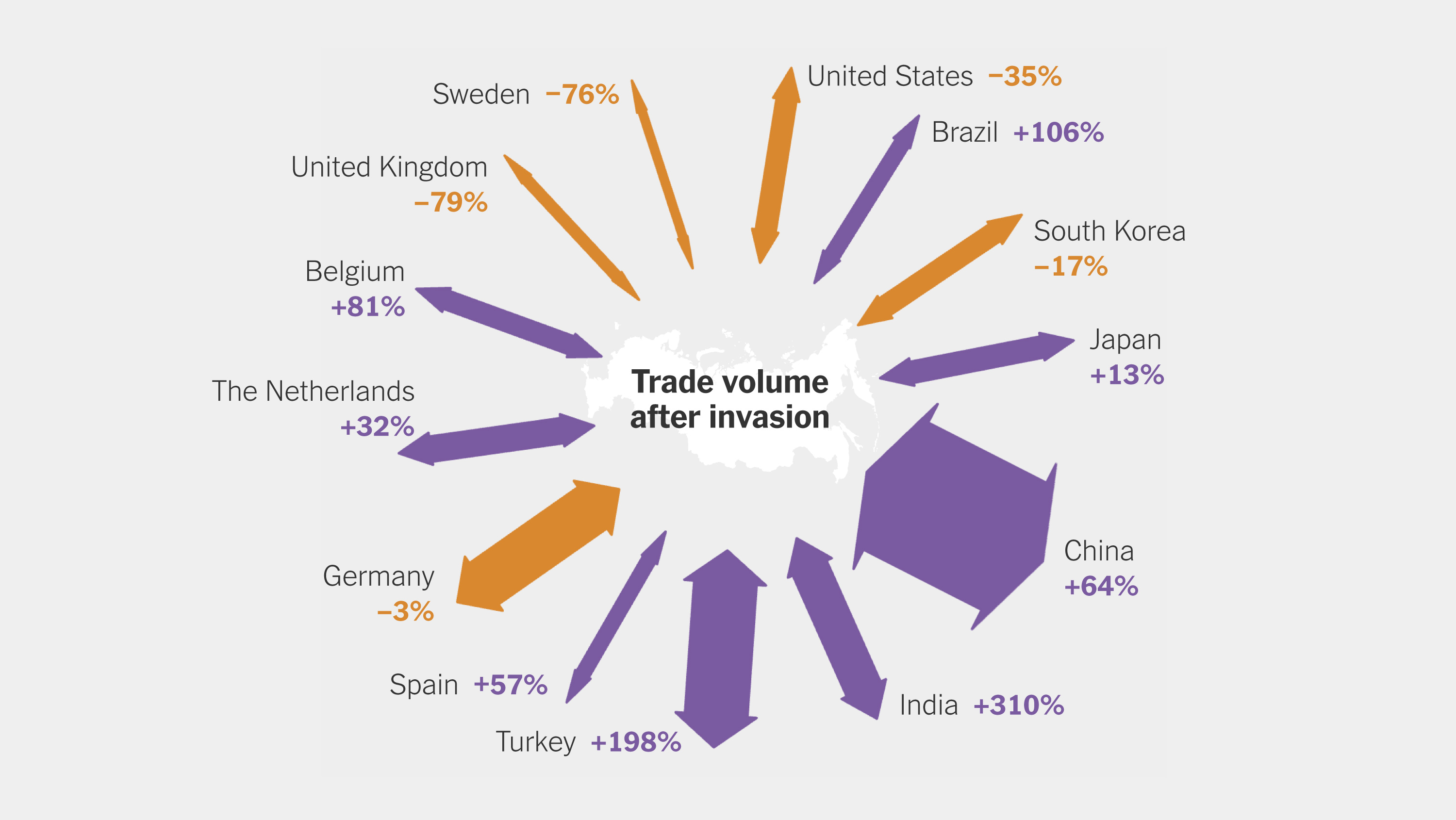
The global economy is undergoing a complex phase of rebalancing, where the shocks of wars leave enduring effects that do not simply vanish with the end of conflicts. These impacts impose themselves on various economic sectors, negatively reflecting on the growth forecasts in many countries.
There are multiple reasons leading to this situation, including armed conflicts, political crises, and climate changes. All these factors intertwine to create an unstable economic environment, making it increasingly difficult to predict the future of the global economy.
Event Details
Reports indicate that many countries are suffering from the repercussions of wars they have experienced in recent years, with economic growth declining in several regions. For instance, some countries that have faced armed conflicts have seen a deterioration in infrastructure, adversely affecting their ability to attract investments.
Moreover, the humanitarian crises resulting from these conflicts lead to increased poverty and unemployment rates, exacerbating economic challenges. In this context, experts anticipate that the global economy will take a long time to recover, and this situation may persist for years to come.
Background & Context
Historically, the world has witnessed numerous wars and conflicts that have had profound impacts on the global economy. After each war, countries needed a long time to rebuild their economies. For example, after World War II, it took decades for European nations to return to previous growth levels.
Today, with the rise of conflicts in regions such as the Middle East and Africa, it seems that the world is on the brink of a similar phase. These conditions require a coordinated response from the international community to assist affected countries in recovery and rebuilding.
Impact & Consequences
These conditions affect the global economy as a whole, with increasing risks associated with trade and investment. Additionally, instability in certain countries can lead to negative impacts on global markets, increasing price volatility and affecting supply chains.
The psychological and social impact of these conflicts cannot be overlooked, as economic crises lead to widespread feelings of frustration and despair among populations, which may exacerbate security and political situations.
Regional Significance
The Arab region is among the most affected by these dynamics, with many countries suffering from ongoing conflicts. These disputes directly impact economic growth and increase unemployment and poverty rates.
Under these circumstances, Arab countries must work to enhance economic cooperation among themselves and develop effective strategies to address current challenges. Investing in education and infrastructure can contribute to fostering sustainable economic growth.
In conclusion, it appears that the global economy will face a prolonged period of challenges before it can fully recover. This requires coordinated efforts from all stakeholders to achieve stability and growth.