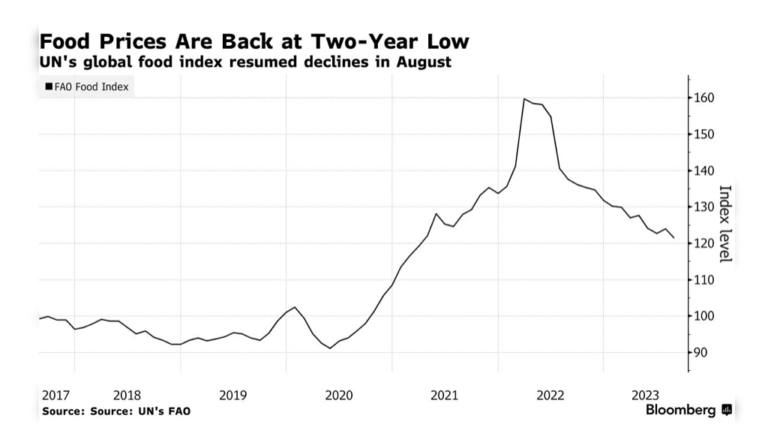
The Food and Agriculture Organization (FAO) has reported a notable increase in global food prices in March, reaching their highest levels since December. This increase marks the second consecutive month of rising prices, raising concerns about global food security.
Data indicates that this rise reflects ongoing pressures on supply chains, along with rising production costs. This has significantly impacted many countries, especially those that heavily rely on food imports.
Details of the Event
According to FAO reports, prices for grains and vegetable oils have seen a remarkable increase, contributing to the overall rise in food prices. The report noted that grain prices rose significantly, while vegetable oil prices also recorded substantial increases, reflecting the challenges facing global markets.
This price increase is attributed to climate fluctuations, geopolitical conflicts, and the lingering effects of the COVID-19 pandemic, which continue to cast a shadow over the global economy. Additionally, rising energy prices directly affect production and transportation costs, contributing to increased food prices.
Background & Context
Global food prices have experienced significant fluctuations in recent years, influenced by various factors such as climate change, conflicts, and economic crises. In 2020, the COVID-19 pandemic caused major disruptions in supply chains, affecting the availability and prices of food products.
The FAO is a leading organization in monitoring global food prices, providing periodic reports on price changes and their impact on food security. Historical data has shown that rising food prices can lead to increased rates of poverty and hunger in many countries, especially in the most vulnerable regions.
Impact & Consequences
The ongoing increase in food prices indicates significant challenges facing governments and policymakers worldwide. This rise may exacerbate economic conditions in developing countries, where citizens are already struggling with diminished purchasing power.
Moreover, rising food prices can lead to increased social protests, as citizens express their dissatisfaction with the rising cost of living. In many countries, these conditions could lead to political instability, complicating the challenges faced by governments.
Regional Significance
The Arab region is among the most affected by rising food prices, as many Arab countries rely on imports to meet their food needs. Prices of essential food items such as wheat, rice, and vegetable oils have seen significant increases, adding pressure on Arab households.
Arab countries face significant challenges in securing affordable food supplies, necessitating effective strategies to address this crisis. Such strategies may include enhancing local production, reducing reliance on imports, and improving supply chains.
In conclusion, the increase in global food prices represents a significant challenge to food security, requiring urgent responses from governments and the international community to ensure the availability of affordable food for all.