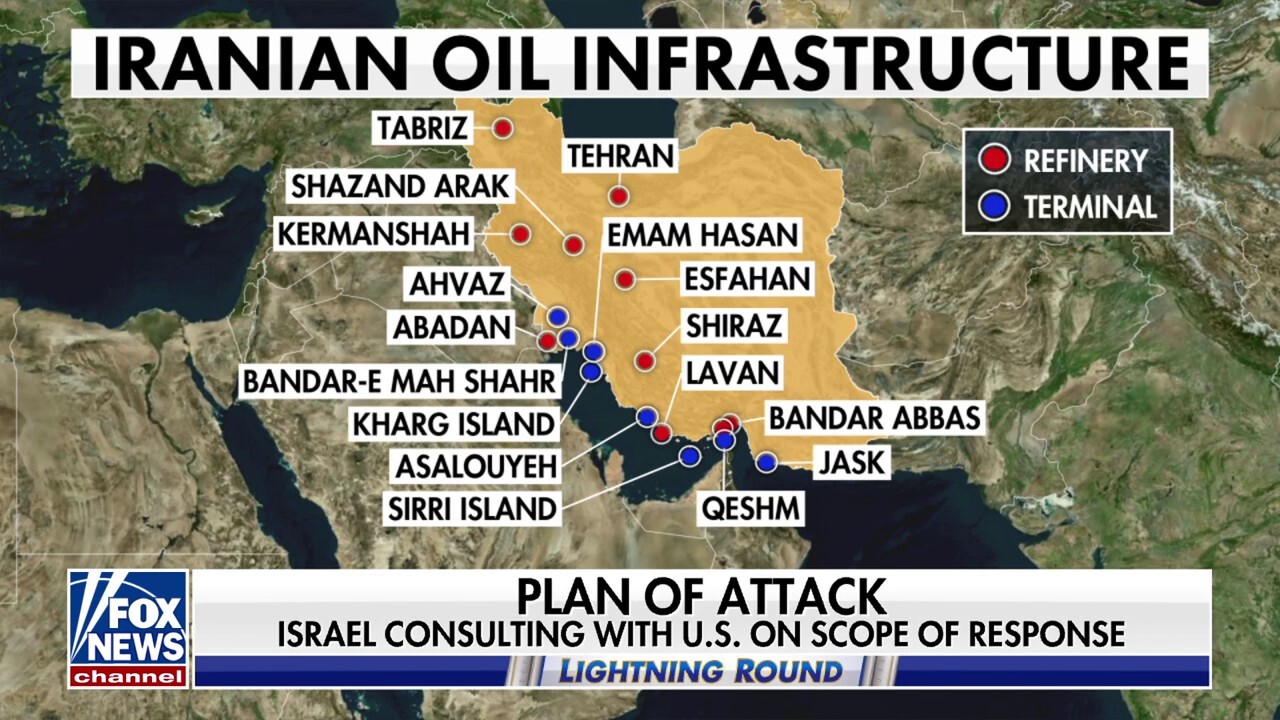
A report by Bloomberg has revealed that global oil reserves are undergoing an unprecedented depletion since the outbreak of the war in Iran on February 28. The reserves have decreased by 4.8 million barrels per day, limiting governments' ability to control rising prices.
Bloomberg explained that this rapid decline in reserves indicates that global markets will face the risk of sharply increasing oil prices, especially with the supply shortage in the markets. Approximately one billion barrels of oil have been lost over nearly two months due to the near-total closure of the Strait of Hormuz, which is a vital passage for around 20% of global supplies.
Details of the Event
According to estimates from Morgan Stanley, crude oil accounts for 60% of this decline, while refined fuel makes up the remaining percentage. Oil prices for Brent crude rose to over $100 per barrel by the end of March trading, peaking above $120 during the war, compared to less than $70 before it began.
Natasha Kaneva, head of commodity research at JPMorgan Chase, stated that reserves act as a safety valve for the global oil system, but not every barrel can be extracted. She noted that operational systems in oil reserves require a minimum number of barrels to maintain continuity.
Background & Context
Pressure is mounting on Asian countries that rely on fuel imports, such as Indonesia, Vietnam, Pakistan, and the Philippines, where supplies could reach critical levels within a month. Additionally, European jet fuel stocks are rapidly depleting as summer holidays approach, raising concerns about meeting demand.
At the same time, supplies of naphtha and liquefied gas in the region, both used in petrochemicals, have been particularly affected. China is the only country that has managed to maintain its oil stocks at good levels, while oil reserves in other Asian economies have decreased by about 70 million barrels since the war began.
Impact & Consequences
Kaneva warns that oil reserves in OECD countries could reach operational pressure levels by the beginning of next month if the strait is not reopened. If the situation persists, reserves may hit their operational lows by September.
Governments are facing a dilemma on how to manage oil reserves, as they need to use part of them to compensate for market shortages, but they fear reducing these reserves, which would weaken their ability to respond to future emergencies.
Regional Significance
Arab countries, especially those dependent on oil exports, find themselves in a sensitive position due to rising prices resulting from supply shortages. Any increase in oil prices could impact Arab economies that heavily rely on oil revenues.
Governments are expected to rush to increase their oil reserves if the war ends, which means an increase in demand for oil in the coming months, thus putting further pressure on the markets.
In conclusion, governments have pledged to release 400 million barrels of oil from emergency reserves in coordination with the International Energy Agency, but the United States has only utilized 79.7 million barrels of the 172 million barrels it committed to, reflecting the significant challenges it faces in balancing supply provision and market support.