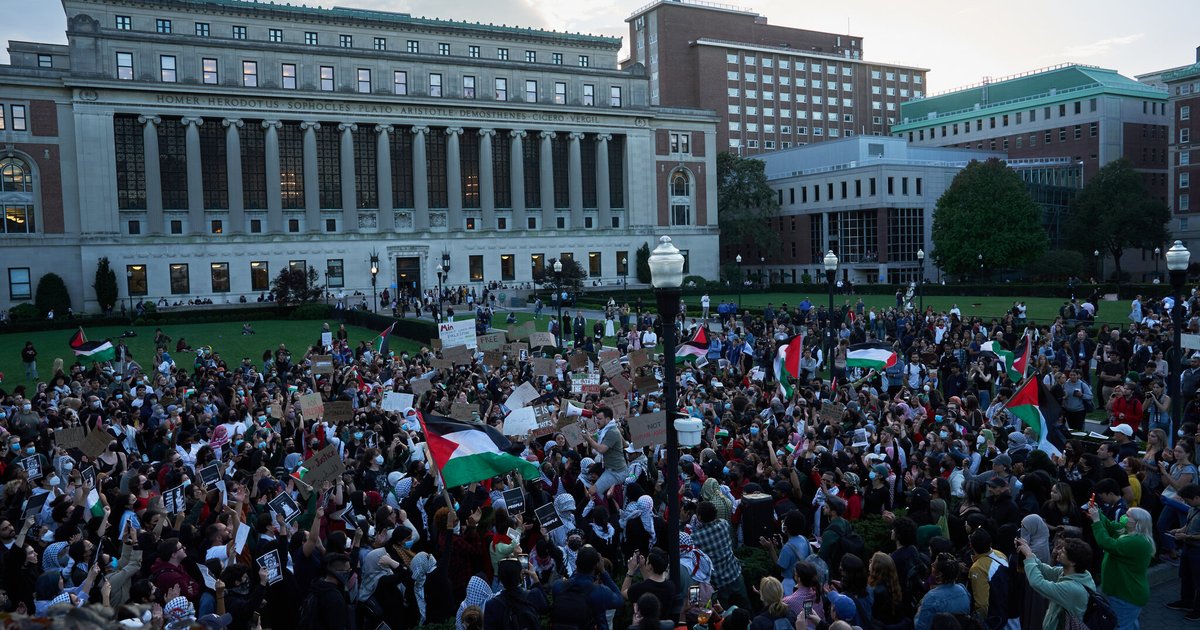
Increasing violations by the Israeli occupation forces in Gaza, considered a form of genocide, have led to a wave of global protests. These demonstrations reflect a growing solidarity with Palestinian prisoners and the suffering of the Palestinian people, as these violations have persisted for over two and a half years.
Reports indicate that the collective punishments imposed by the occupation on Gaza's residents have significantly impacted their daily lives, prompting many activists worldwide to organize protests in various capitals. These demonstrations serve as a cry against injustice and demand the liberation of Palestinian prisoners suffering in Israeli jails.
Details of the Event
In recent years, Gaza has witnessed an escalation in Israeli military operations, resulting in widespread destruction of infrastructure and a rising death toll. These harsh conditions have prompted the international community to take action, with protests erupting in cities like London, Paris, and New York, where demonstrators raised slogans calling for an end to the occupation and the liberation of prisoners.
These protests coincide with a growing global awareness of the plight of Palestinian prisoners, who face severe abuses in prisons, including torture and mistreatment. Reports have shown that many of these prisoners suffer from poor health conditions, raising concerns among humanitarian organizations.
Background & Context
The roots of the Palestinian prisoners' issue trace back decades of the Israeli-Palestinian conflict, with the number of prisoners in Israeli jails significantly increasing since the start of the occupation. According to statistics, there are currently thousands of Palestinian prisoners, including women and children, which raises alarm in the international community and calls for urgent intervention.
Historically, the issue of prisoners has been an integral part of the Palestinian struggle, symbolizing resistance and resilience. As violations escalate, it has become essential to highlight the suffering of these prisoners and advocate for their rights.
Impact & Consequences
Global protests are influencing international public opinion, increasing pressure on governments to take concrete steps regarding the prisoners' issue. Additionally, these protests foster solidarity among peoples, contributing to the building of a global movement supporting Palestinian rights.
On the other hand, these demonstrations may escalate tensions between the Israeli occupation and the international community, as some countries might take diplomatic or economic actions to pressure Israel. This escalation could negatively impact the security situation in the region and intensify the conflict.
Regional Significance
The issue of Palestinian prisoners is part of Arab identity, stirring feelings of solidarity among Arab peoples. These protests reflect the growing awareness of the Palestinian cause in the Arab world, strengthening ties between Arab nations and the Palestinian people.
Moreover, the increasing international support for the prisoners' cause may enhance the position of Arab countries in international forums, opening the door for more dialogue on Palestinian rights. Under these circumstances, hope remains pinned on achieving justice and peace in the region.
In conclusion, the rise of global protests in solidarity with Palestinian prisoners reflects a shift in global awareness regarding the Palestinian issue. As violations continue, the hope for justice and equality for the Palestinian people remains alive.