Global stock markets have experienced a significant decline, with most major indices falling, while oil prices have risen sharply following Wall Street's worst day since the onset of the Iranian war. This downturn comes amid a climate of anxiety in the financial markets due to escalating geopolitical tensions.
On Tuesday, the Dow Jones Industrial Average dropped by as much as 2.5%, marking its largest decline since the beginning of the conflict, which raised investor fears about the war's impact on the global economy. Other indices such as the S&P 500 and Nasdaq also fell, reflecting the uncertainty dominating the markets.
Details of the Event
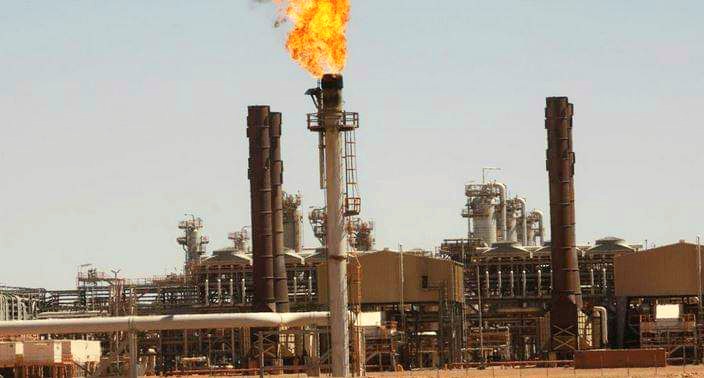
These developments come at a sensitive time, as tensions between the United States and Iran have intensified, leading to increased concerns about the stability of financial markets. Oil prices have seen a notable rise, with Brent crude surpassing $90 per barrel, reflecting worries about supply disruptions should the conflict escalate.
The markets were also affected by reports indicating a decline in consumer confidence in the United States, with new data showing that consumers have become more cautious in their spending, which could impact economic growth. This drop in confidence reflects concerns over rising prices of goods and services, potentially leading to a slowdown in growth.
Background & Context
Historically, stock markets have experienced significant volatility during geopolitical crises. The Iranian war, which began in 1980, had profound effects on the global economy and oil markets. At that time, oil prices surged dramatically, leading to economic recessions in many countries.
Today, it seems history is repeating itself, as the current conflict between the United States and Iran raises fears of a recurrence of those scenarios. The situation in the Middle East remains complex, with numerous actors influencing the course of events.
Impact & Consequences
The ramifications of these events extend beyond financial markets, as they could affect the global economy as a whole. Rising oil prices may lead to increased transportation and production costs, negatively impacting consumer prices. Additionally, the decline in consumer confidence could result in decreased demand, affecting economic growth.
Furthermore, ongoing geopolitical tensions may lead to increased instability in the markets, prompting investors to seek safe havens, such as gold or government bonds. This shift in investments could affect liquidity in financial markets, increasing their volatility.
Regional Significance
For the Arab region, these developments carry significant implications. The rise in oil prices could positively impact the economies of some oil-producing countries, such as Saudi Arabia and Iraq, potentially leading to increased government revenues. However, ongoing tensions may exacerbate economic crises in other countries suffering from instability.
Moreover, the situation in the Middle East could affect relations between Arab countries and the United States, as any escalation could lead to changes in economic and trade policies. Therefore, monitoring these developments will be crucial to understanding their impact on the region.