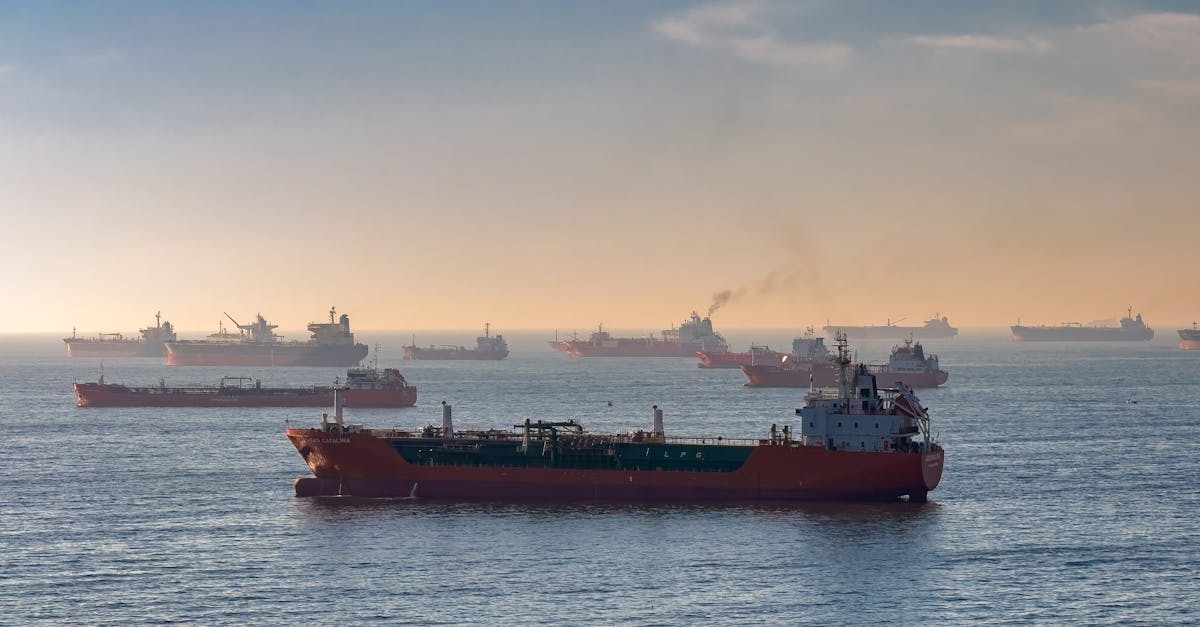
Global stock markets have seen a significant recovery after the announcement of an agreement between Iran and the United States to open the Strait of Hormuz, which has led to a substantial decline in oil prices. This development comes at a time when the region is experiencing political and economic tensions, making this agreement an important step towards stability.
The agreement reached between Tehran and Washington represents a breakthrough in the strained relations between the two countries, as both sides seek to improve the economic situation and alleviate the pressures faced by global oil markets. Opening the Strait of Hormuz, considered one of the most vital maritime corridors for oil transport, will contribute to enhancing oil supplies and reducing price concerns.
Details of the Agreement
The agreement was announced at a joint press conference, where officials from both sides emphasized the importance of this decision in enhancing maritime security and global trade. They pointed out that opening the strait will help increase the flow of oil to global markets, leading to price stabilization after a period of sharp increases.
This move comes at a time when markets are suffering from severe fluctuations due to geopolitical crises, with oil prices having seen significant rises due to tensions in the region. The new agreement is seen as a glimmer of hope for investors who were anticipating further disruptions.
Background & Context
The Strait of Hormuz is a crucial transit point for oil, through which approximately 20% of the world's total oil passes. Historically, the strait has witnessed numerous conflicts and tensions between nations, affecting oil prices and financial markets. The recent agreement comes after years of sanctions and economic pressures imposed by the United States on Iran, leading to a deterioration of relations between the two countries.
In recent years, there have been multiple attempts to reach agreements aimed at improving relations, but these have not yielded tangible results. The current agreement reflects a shift in strategy from both sides, as each seeks to achieve its economic interests.
Impact & Consequences
This agreement is expected to have wide-ranging effects on global financial markets. The decline in oil prices may alleviate inflationary pressures faced by many countries, potentially contributing to global economic stability. Additionally, stable oil prices will help bolster economic growth in consuming countries.
On the other hand, this agreement may lead to increased tensions with countries that still oppose Iran's policies, potentially creating new challenges in international relations. It is important to monitor the reactions from other nations, especially those with interests in the region.
Regional Significance
For Arab countries, the opening of the Strait of Hormuz is a positive step, as it will contribute to enhancing trade and maritime transport. Gulf countries, which heavily rely on oil exports, will benefit from price stability and increased supplies. Furthermore, this agreement may open the door for more cooperation between Arab countries and Iran, potentially contributing to regional stability.
In conclusion, the agreement between Iran and Washington to open the Strait of Hormuz marks a turning point in relations between the two countries and reflects genuine efforts towards improving economic and political conditions. It will be crucial to follow future developments to ensure the sustainability of this agreement and its positive impact on global markets.