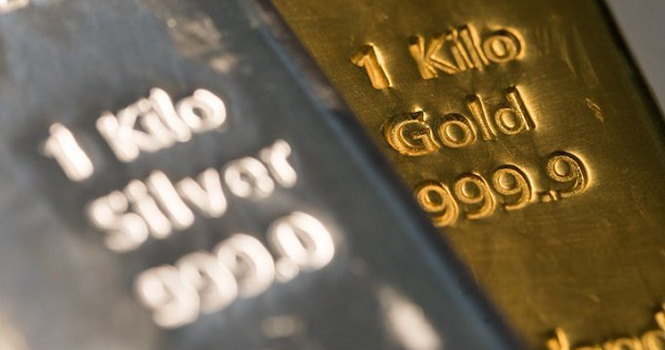
Precious metal prices fell during trading on Wednesday, negatively impacted by the persistent geopolitical uncertainty in the Middle East. This decline comes at a time when inflationary concerns remain, raising questions about future interest rate prospects.
Fears of renewed military strikes between the United States and Iran have escalated, with Tehran accusing Washington of violating a ceasefire after attacks on sites near the Strait of Hormuz. This escalation in tensions reflects a growing anxiety in financial markets, where investors anticipate negative impacts on the global economy.
Details of the Event
As markets continue to monitor developments in the region, reports indicate that Iran has received a draft memorandum of understanding from the United States. This memorandum could pave the way for an agreement to reopen the Strait of Hormuz within 30 days, contingent upon reaching a settlement that ends the U.S. maritime blockade on Iranian ports.
This potential shift in stance could help ease tensions, but for now, markets remain jittery amid concerns of possible military escalation. Gold and silver prices are significantly affected by these developments, as investors view these metals as safe havens during crises.
Background & Context
Historically, the Middle East has experienced ongoing tensions between major powers, particularly the United States and Iran. These tensions often impact oil and precious metal prices, as investors seek to protect their assets from economic volatility.
In recent years, fears of military escalation in the region have increased, especially with the rise of U.S. military activities in the Gulf. These activities, along with economic sanctions imposed on Iran, contribute to creating an environment of uncertainty that affects global markets.
Impact & Consequences
Geopolitical tensions in the Middle East could lead to rising oil prices, which in turn affects global inflation. If military pressures persist, we may witness an increase in gold and silver prices as investors seek to safeguard their assets.
Moreover, any escalation in the conflict between the United States and Iran could trigger negative reactions in financial markets, increasing instability. This situation may influence interest rate decisions by central banks, complicating the global economic landscape.
Regional Significance
Arab countries are significantly affected by tensions in the Middle East, as this region is a vital hub for oil and gas. Any escalation in conflict could impact energy prices, reflecting on the economies of Arab nations that heavily rely on oil exports.
Additionally, the prevailing uncertainty may lead to a decline in foreign investments in the region, affecting economic growth. Therefore, monitoring developments in this context is vital for investors and decision-makers in Arab countries.
In conclusion, gold and silver prices remain under pressure due to ongoing geopolitical tensions, making it essential to closely follow developments in the region. Under these circumstances, investors remain vigilant as conditions may change rapidly.