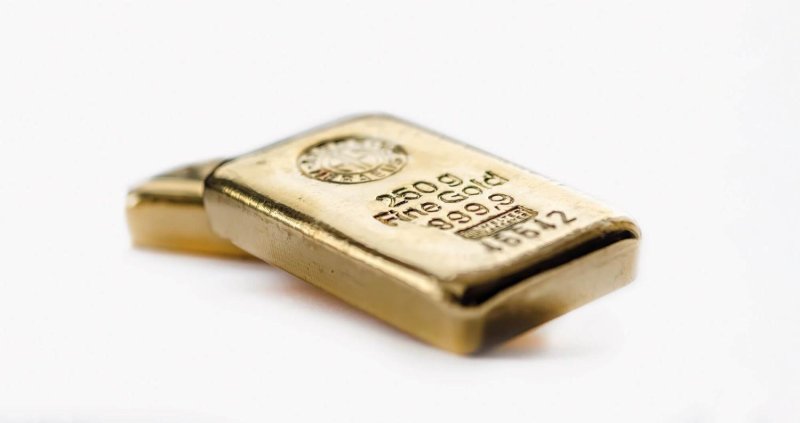
Gold prices are trending downward, with forecasts suggesting they will not reach $6,000 per ounce this year. The price of gold has dropped to its lowest level in three weeks, reaching $4,628.88 per ounce at the start of trading, representing a 1.1% decrease from the previous session.
Prices fell below $4,700 on Monday, as high oil prices kept inflation concerns alive. This situation reflects the impact of geopolitical crises, particularly the Iranian crisis, on interest rate expectations in the United States.
Market Expectations and Interest Rates
The market expects the U.S. Federal Reserve to maintain the interest rate at 3.50-3.75% during its upcoming meeting, due to changes brought about by the Iranian crisis in interest rate forecasts. The Bank of Thailand is also expected to follow a similar approach, as high energy prices pressure the oil-importing country.
Sirilak Pakutepraha, Vice President of Research at Hua Seng Heng, stated that gold prices could drop to $4,600 in the near term, as it is unlikely that the U.S. and Iran will reach an agreement to end conflicts in the Middle East, while the Strait of Hormuz remains closed.
Background & Context
Historically, gold is considered a safe haven during periods of economic and political instability. However, rising oil prices and inflation resulting from conflicts may negatively impact gold's appeal as an investment. In recent years, global markets have experienced significant volatility due to geopolitical crises, prompting investors to seek safe assets.
Concerns are growing that the ongoing conflicts in the Middle East could lead to further economic disruptions, which would be reflected in gold prices. Data has shown that demand for gold as a hedge against inflation has decreased due to expectations that interest rates will remain high.
Impact & Consequences
The rise in gold prices directly affects financial markets, as gold is one of the core assets relied upon by investors. If prices continue to decline, it could lead to a decrease in confidence in financial markets, potentially causing greater volatility in the prices of other assets.
Additionally, high oil prices may lead to increased production costs in many industries, which could negatively impact global economic growth. Under these circumstances, investors may turn to other assets such as stocks or bonds, which could further pressure gold prices.
Regional Significance
The implications of fluctuating gold prices extend beyond mere investment strategies; they reflect broader economic health and stability. As gold often serves as a barometer for economic conditions, its decline could signal deeper issues within the financial system.
In conclusion, the current trends in gold prices highlight the complex interplay between geopolitical tensions, inflation, and market confidence, suggesting that investors should remain vigilant in monitoring these developments.