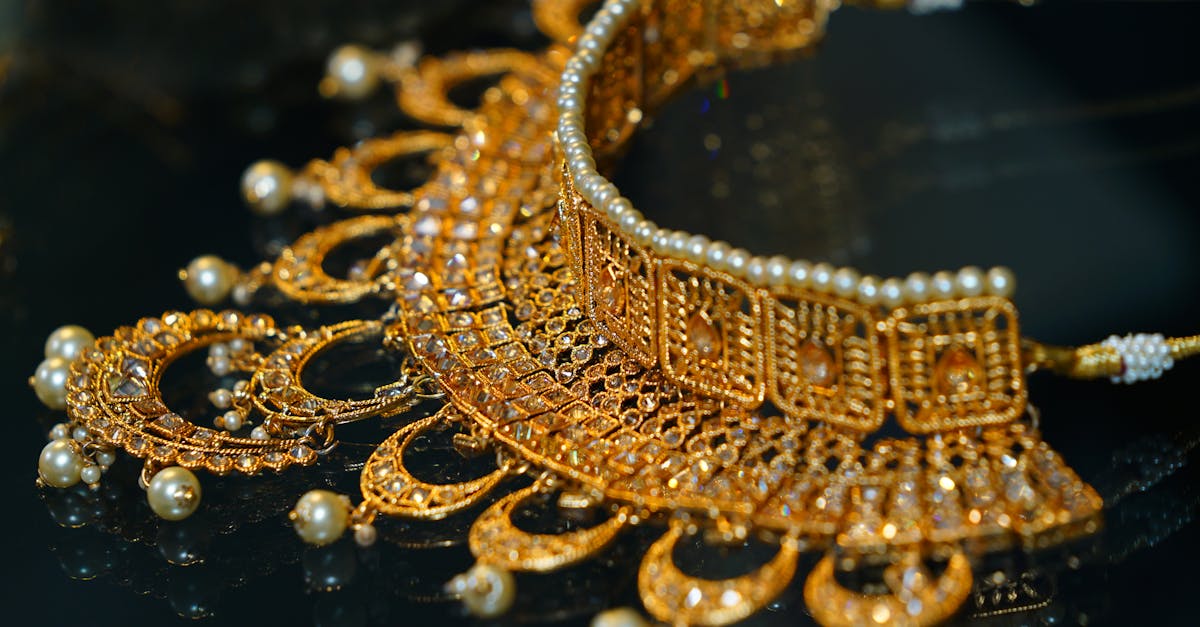
Gold prices in global markets saw a slight increase of 0.17% today, Thursday, April 9, 2026, with 21-carat gold including manufacturing costs recorded at the beginning of trading. This rise comes at a sensitive time for the global economy, raising questions about the factors influencing this market.
Gold prices are affected by several factors, including geopolitical tensions, monetary policies of central banks, and fluctuations in the dollar's value. Recently, global markets have experienced numerous changes that have directly impacted the prices of precious metals.
Details of the Event
At the start of trading, the price of 21-carat gold with manufacturing costs showed a slight increase, reflecting the market's response to economic changes. This rise follows a period of relative price stability, where markets anticipated larger price movements due to global economic conditions.
Gold prices are considered an important indicator of economic health, as investors turn to gold as a safe haven during times of uncertainty. Therefore, any change in gold prices can influence investment decisions in financial markets.
Background & Context
Historically, gold is one of the most important precious metals held by individuals and nations as a means of preserving wealth. In recent years, gold prices have experienced significant fluctuations due to economic and political crises. For instance, during the COVID-19 pandemic, gold prices rose sharply due to increased demand for safe havens.
Moreover, the monetary policies adopted by central banks play a significant role in determining gold prices. When interest rates rise, investors tend to shy away from gold, while a decrease in rates increases demand for the precious metal.
Impact & Consequences
The rise in gold prices affects many economic sectors, including the jewelry industry and investment. Companies that rely on gold for their production may face cost challenges, potentially leading to price increases for consumers.
Additionally, rising gold prices may impact financial markets, as they can lead to increased demand for bonds and stocks. Investors often turn to gold as a hedge against inflation, making it crucial to monitor gold prices in global markets.
Regional Significance
In the Arab region, gold is one of the most traded metals, with many people preferring to invest in it as a means of preserving wealth. Any change in gold prices can directly affect local markets, impacting the purchasing power of citizens.
Furthermore, rising gold prices may affect tourism in some Arab countries that rely on the gold trade. Therefore, it is essential to monitor these changes and their impact on the local economy.
Gold remains one of the most important economic indicators, with its prices continuing to be influenced by global and local factors. It is vital for investors and consumers to stay informed about these changes.