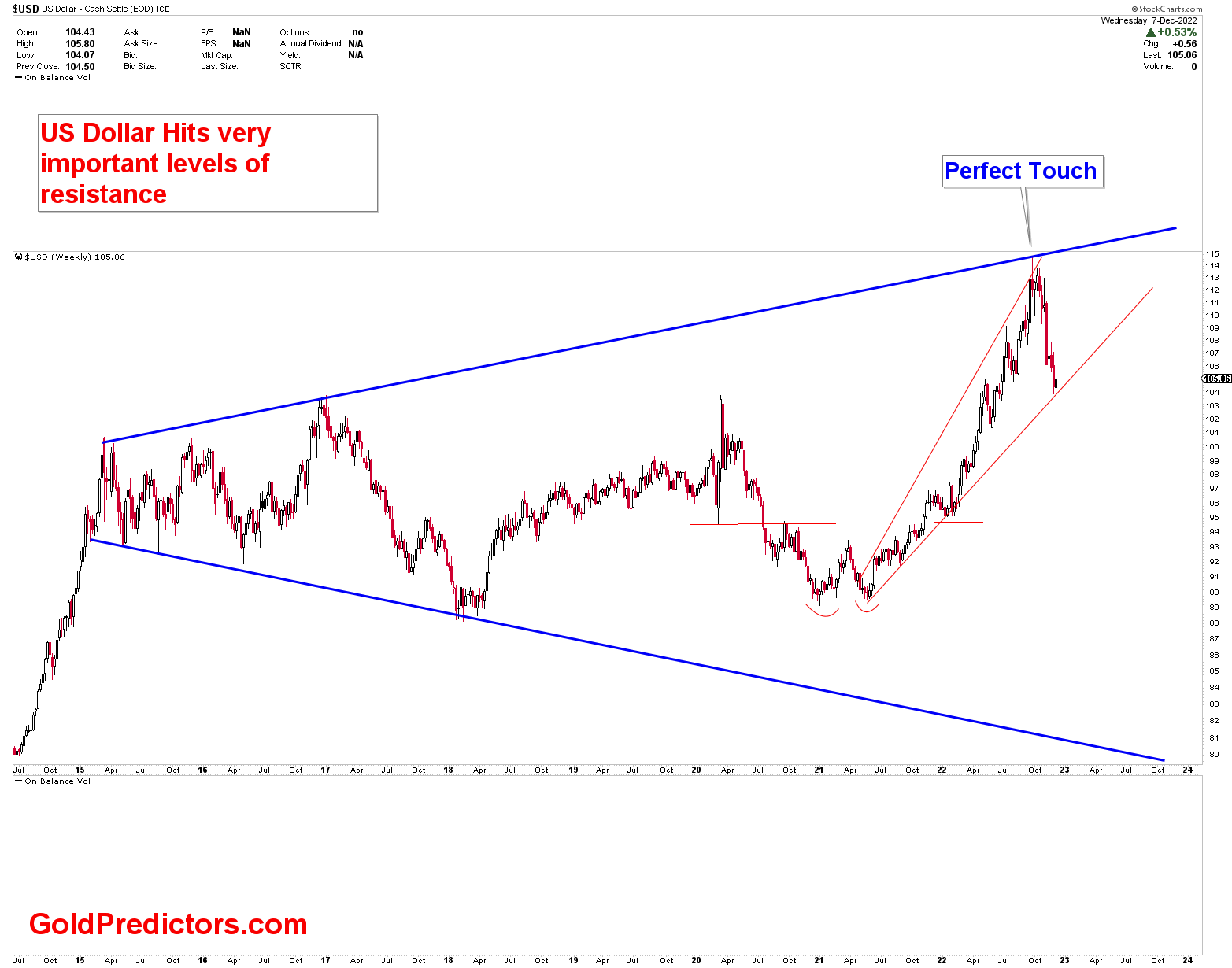
Gold prices have seen a significant rise globally, reaching their highest levels in two weeks, coinciding with a drop in the value of the US dollar. This increase reflects market reactions to global economic changes.
This rise in gold prices follows a series of fluctuations in financial markets, where recent economic data showed a decline in the strength of the dollar, making gold more attractive to investors. The price of gold per ounce increased by 1.5%, reaching $1,950, the highest level in two weeks.
Details of the Event
Gold prices have been significantly affected by changes in the US dollar, as gold is considered a safe haven for investors during times of economic instability. As the dollar declines, demand for gold increases, leading to a rise in its prices. Data showed that the dollar fell by 0.8% against a basket of major currencies, contributing to the strengthening of gold prices.
Additionally, global geopolitical and economic tensions play an important role in determining gold price trends. Markets have experienced a state of concern due to economic crises in some countries, prompting investors to seek safe assets like gold.
Background & Context
Gold is one of the oldest assets used as a means of preserving wealth. Historically, gold prices have experienced significant fluctuations, influenced by various factors such as inflation, interest rates, and political events. In recent years, the popularity of gold as a safe investment has increased, especially amid global economic crises.
Historically, gold prices have risen during financial crises, as investors turn to gold as a means of protection against market volatility. The past few years have seen a notable increase in demand for gold, contributing to a continuous rise in its prices.
Impact & Consequences
The rise in gold prices directly affects financial markets and local economies. When gold prices rise, both investors and consumers are impacted. Increased prices may lead to higher costs for goods and services, affecting inflation.
Moreover, rising gold prices may impact corporate investments, as companies might reduce their investments in new projects due to higher raw material costs. This could lead to a slowdown in economic growth in some countries.
Regional Significance
The Arab region is considered one of the largest gold markets in the world, with increasing demand for gold in countries like the UAE, Saudi Arabia, and Egypt. With rising gold prices, local markets may be significantly affected, as consumers tend to reduce their gold purchases.
Furthermore, rising gold prices may impact investments in the real estate sector, as gold is viewed as an asset used to preserve wealth. If gold prices continue to rise, investors may reconsider their investments in the real estate sector.
In conclusion, gold remains one of the most important assets in financial markets, continuously reacting to economic and political changes. With the decline of the dollar, it is expected that gold prices will continue to rise in the coming period, necessitating close monitoring by investors.