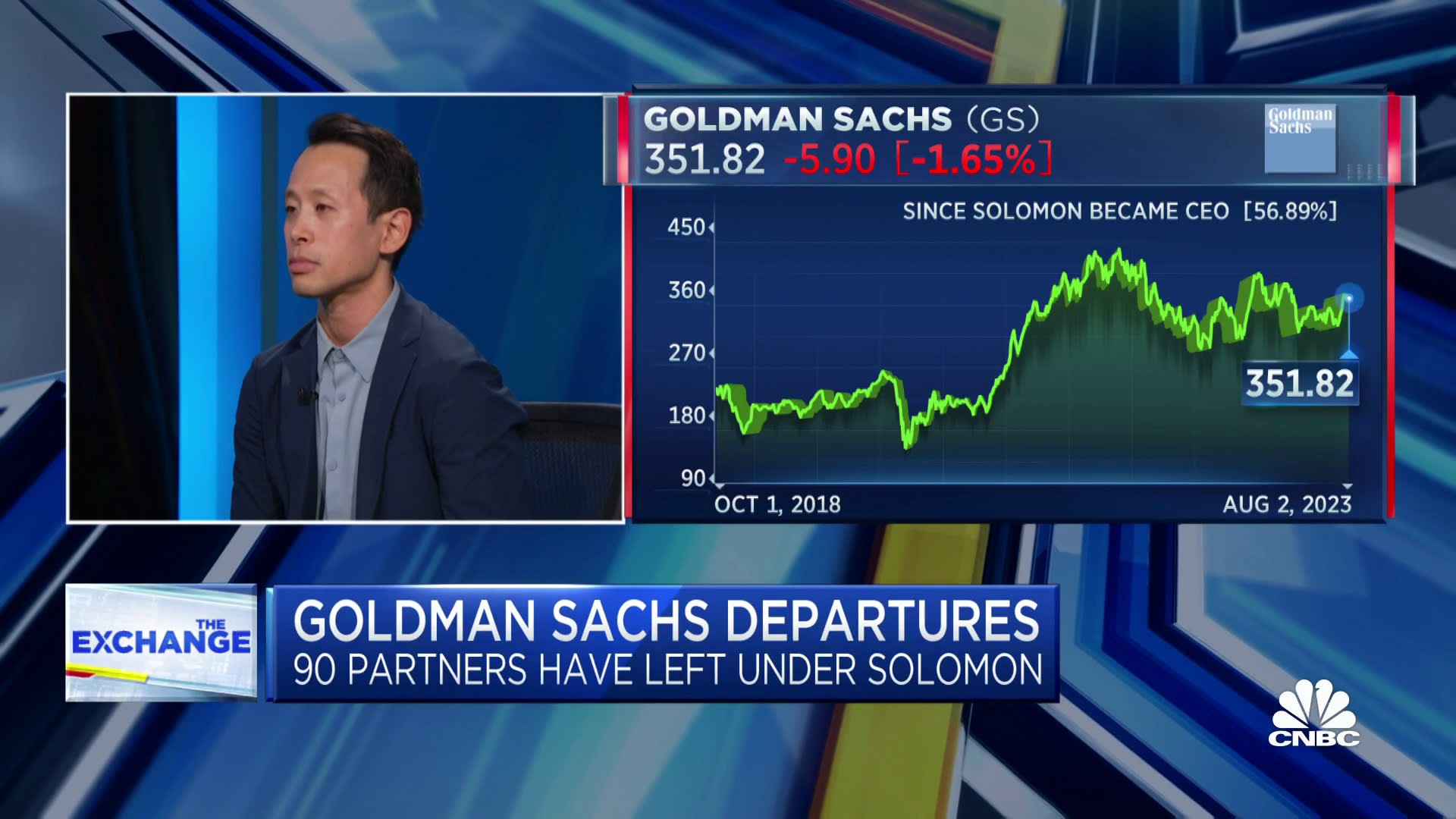
Goldman Sachs has announced that its private credit fund has successfully navigated a mass exodus in the market, thanks to its reliance on a base of institutional investors. The Goldman Sachs private credit fund, which manages a non-traded business development company, was able to meet redemption requests that amounted to 4.999% of its outstanding shares during the first quarter of the year.
This figure reflects an effective response from the fund, especially when compared to other competitors like Blue Owl Capital, which experienced redemption requests exceeding the industry threshold of 5%. This situation highlights Goldman Sachs' superior risk management capabilities compared to some of its market peers.
Event Details
These results are seen as positive given the current economic conditions characterized by significant volatility. Many private credit funds are facing substantial pressures due to market changes, prompting investors to withdraw their funds. However, Goldman Sachs has managed to maintain its stability thanks to its well-thought-out strategies for attracting institutional investors.
Data shows that funds relying on individual investors may be more susceptible to pressures, as individuals typically tend to withdraw their money during times of uncertainty. In contrast, institutions remain more stable, providing Goldman Sachs with a competitive edge in this sector.
Background & Context
Historically, private credit markets have undergone significant transformations, particularly following the global financial crisis of 2008. This crisis led to a comprehensive reassessment of the risks associated with investing in private credit. Since then, investors have become more cautious in their investment decisions, impacting the performance of many funds.
In recent years, the popularity of private credit funds has increased, but they have also faced new challenges. With rising interest rates and inflation, it has become essential for these funds to adopt flexible strategies to adapt to changing conditions.
Impact & Consequences
Goldman Sachs' ability to avoid a mass exodus in its private credit fund is indicative of the strength of its management strategies. This success may bolster investor confidence in funds that rely on similar models, potentially leading to increased investments in this sector.
Moreover, this success could influence how investors evaluate other funds in the market. If Goldman Sachs continues to achieve positive results, it may lead to a shift in investment flows toward funds that employ similar strategies.
Regional Significance
As global financial markets continue to experience volatility, Goldman Sachs' success could have implications for Arab investors. These results may inspire investors in the region to adopt more flexible strategies in their investments, especially given the current economic conditions.
Additionally, this success could open doors for greater collaboration between Arab financial institutions and their global counterparts, enhancing mutual investments and increasing financial stability in the region.