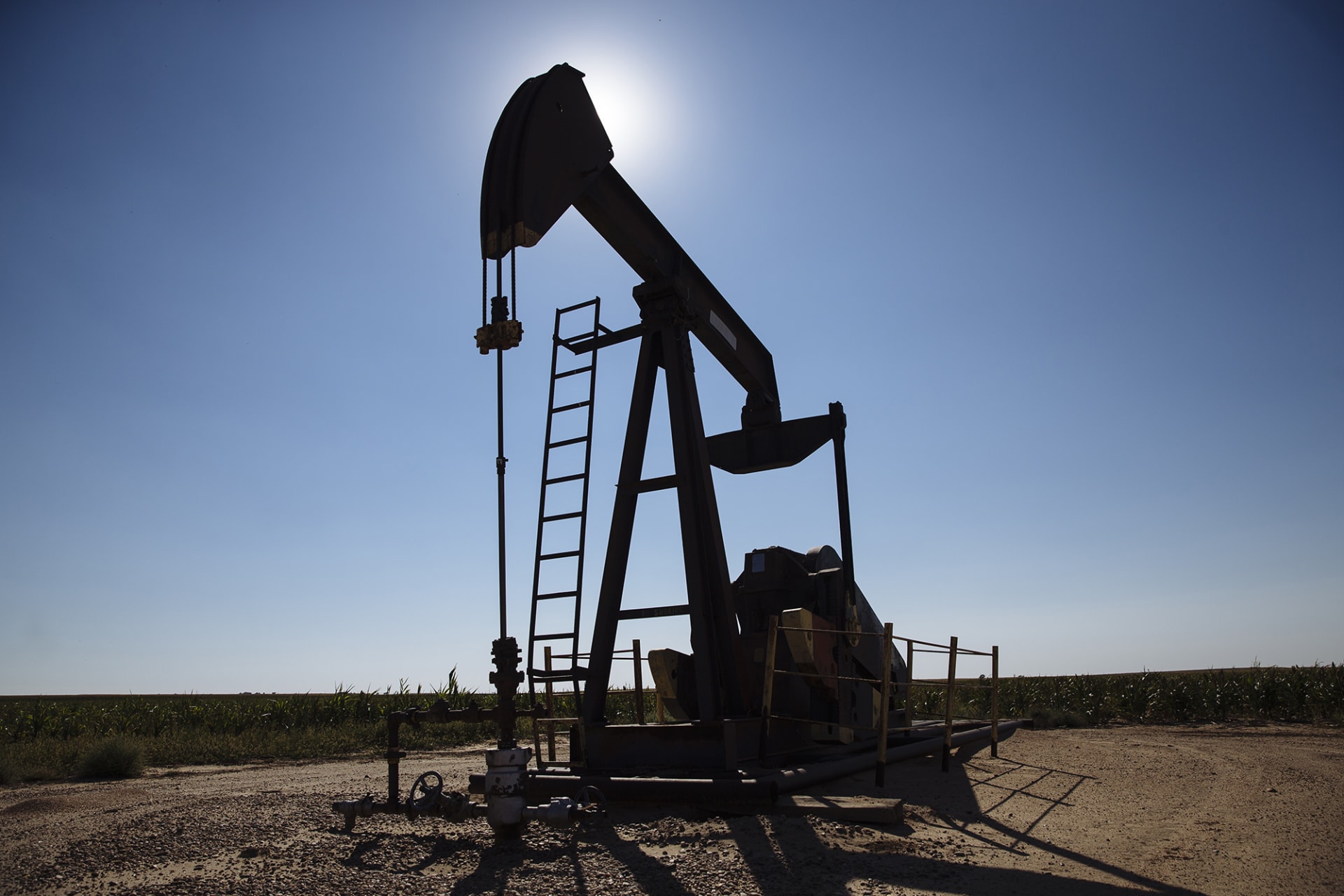
Daniel Stroeven, head of global commodity research at Goldman Sachs, indicated that risks related to oil prices are leaning towards an increase, pointing to the discrepancies between spot markets and futures contracts. Stroeven expects oil and gasoline prices to continue rising until the end of the year, raising concerns among consumers and investors alike.
In his remarks to the media, Stroeven explained that there is a notable disparity between spot oil prices and futures prices, reflecting a state of uncertainty in the market. This disparity could lead to significant price volatility, requiring investors and consumers to be aware of potential market changes.
Market Fluctuations and Oil Price Dynamics
Stroeven's statements come at a time when the oil market is experiencing noticeable fluctuations, as oil prices continue to rise due to multiple factors, including increased global demand and geopolitical tensions in major oil-producing regions. Additionally, expectations of rising fuel demand during the winter season may add further pressure on prices.
Oil is considered one of the most important commodities in the global economy, as rising prices directly affect transportation and production costs, which in turn reflects on the prices of goods and services in general. Therefore, any changes in oil prices can impact economic growth in many countries.
Background & Context
Over the years, oil markets have witnessed numerous fluctuations due to various factors, including political crises, economic factors, and changes in supply and demand. In recent years, there have been attempts by oil-producing countries, such as OPEC, to regulate production in order to stabilize prices.
Moreover, the shift towards renewable energy and technological innovations in the energy sector may affect future oil demand. However, oil still constitutes an essential part of the global energy mix, making it susceptible to fluctuations.
Impact & Consequences
The potential increase in oil prices is expected to impact the global economy, as it could lead to higher living costs and inflation in many countries. Additionally, oil-importing countries may face greater challenges in balancing their budgets.
Furthermore, rising oil prices may affect investments in renewable energy sectors, as investors might prefer to return to traditional oil investments in light of rising prices. This could hinder progress towards achieving environmental sustainability goals.
Regional Significance
Arab oil-producing countries, such as Saudi Arabia, UAE, and Iraq, are among the biggest beneficiaries of rising oil prices. An increase in prices can lead to higher government revenues, contributing to the support of developmental projects.
However, these countries must be cautious of over-reliance on oil revenues, especially in light of the global shift towards renewable energy. They should seek to diversify their economies to mitigate the risks associated with oil price fluctuations.
In conclusion, oil prices remain a vital topic that affects the global economy, and countries and investors must be aware of potential market changes. Goldman Sachs' statements highlight the importance of monitoring developments in this critical sector.