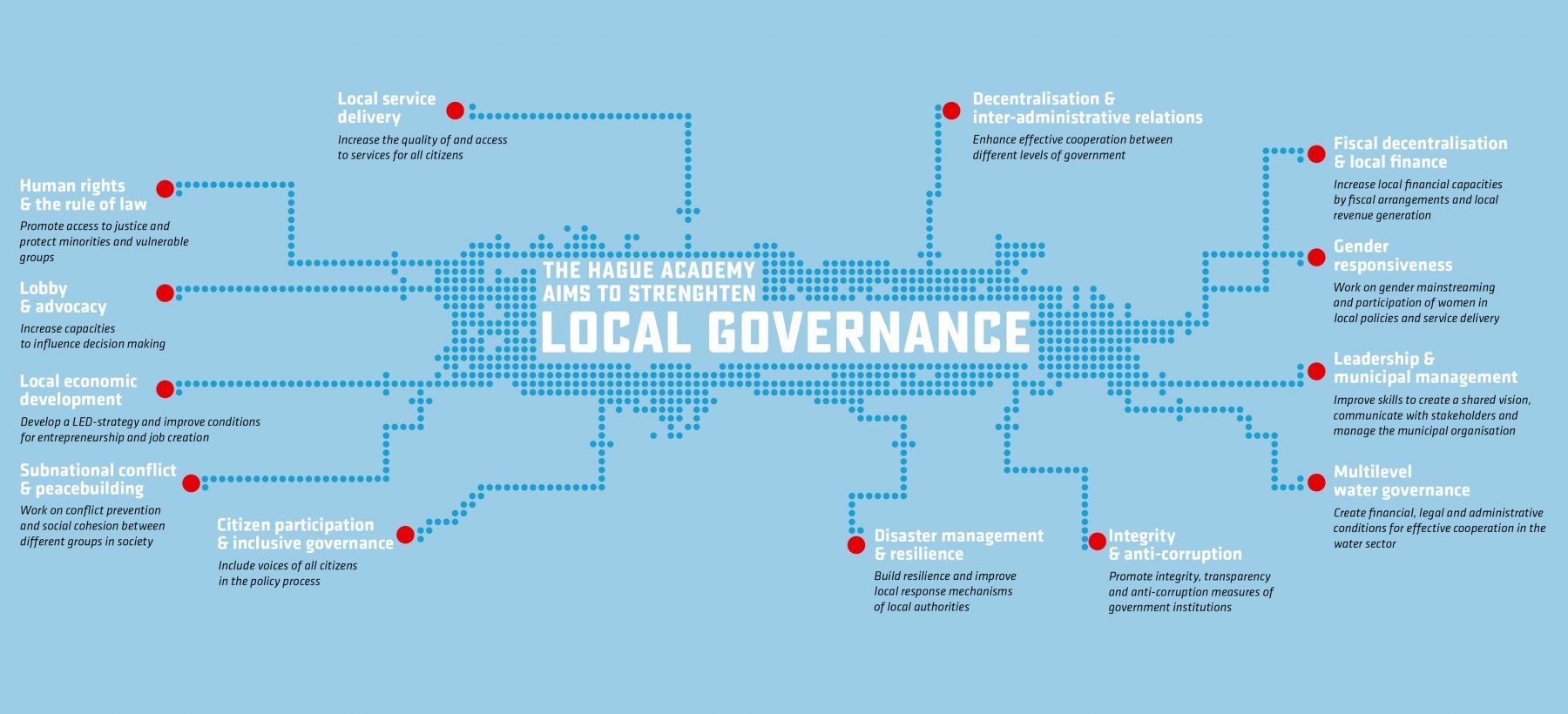
The government continues its efforts to finalize discussions on the draft Local Administration Law, aimed at enhancing decentralization and improving local services. This initiative is part of the government's broader goal to develop public administration and strengthen community participation.
The Local Administration Law project is a significant step towards achieving sustainable development, as it seeks to transfer some authorities and powers from the central government to local authorities, thereby enhancing the capacity of local communities to make decisions that align with their specific needs.
Details of the Ongoing Discussions
The government is conducting consultations with various stakeholders, including representatives from civil society and the private sector, to ensure that the new law is comprehensive and reflects the aspirations of citizens. Several workshops and dialogue sessions have been organized to discuss the draft law and gather feedback from those involved.
The draft law includes proposals aimed at enhancing transparency and accountability in managing local affairs, as well as new mechanisms for distributing financial resources more equitably. It also aims to improve the quality of services provided to citizens, such as education, health, and transportation.
Background & Context
The Local Administration Law project comes at a time when many Arab countries are experiencing political and economic transformations, as governments seek to enhance local democracy and improve service levels. Previous experiences have shown that decentralization can be an effective means to achieve sustainable development and promote popular participation.
Historically, local administration in many Arab countries has lacked the necessary powers, leading to a concentration of authority in the hands of the central government. However, some countries have begun to adopt new policies in recent years aimed at promoting decentralization and empowering local communities.
Impact & Consequences
If the Local Administration Law is approved, it is expected to contribute to improving the level of services provided to citizens and enhance the ability of local communities to make appropriate decisions. It may also lead to increased transparency and accountability in managing public affairs.
Moreover, the law could help build trust between citizens and the government, positively reflecting on social and political stability. It may also have a positive impact on the local economy by encouraging investments and local initiatives.
Regional Significance
The Local Administration Law project represents a model that could be emulated in other Arab countries seeking to enhance decentralization and improve services. Given the economic and social challenges facing the region, strengthening local participation could be an effective solution for achieving sustainable development.
Successful experiences in some Arab countries may inspire others to adopt similar policies, contributing to enhanced stability and development across the region as a whole.
The completion of the government's dialogues on the draft Local Administration Law represents an important step towards achieving sustainable development and enhancing community participation. If this law is enacted, it could bring about positive changes in how local affairs are managed and improve the quality of life for citizens.