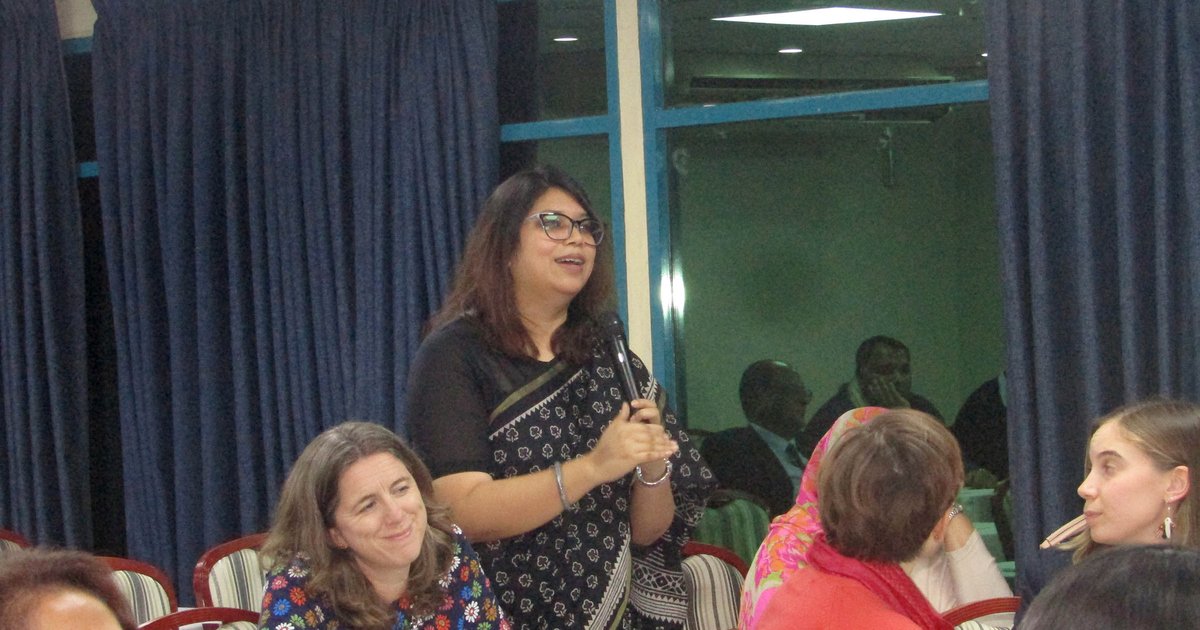
Indonesian Minister of Women's Empowerment and Child Protection, Arifa Fawzi, emphasized the importance of collaboration among ministries to achieve successful efforts in empowering women through education. This statement was made during the launch event of 'Women's Empowerment Month through Education' in Jakarta, where she explained that success in this field requires strong commitment and sustainable cooperation from all stakeholders involved.
Fawzi praised the initiative of the Minister of Basic and Secondary Education, Abdul Moti, who organized this event, noting that education is the primary foundation for empowering women. She clarified that education is not only about acquiring knowledge but also contributes to building self-confidence and expanding life choices, thereby enhancing the quality of decision-making at individual, family, and social levels.
Event Details
During the event, Fawzi confirmed that the Indonesian government has adopted a key strategy regarding the integration of gender issues into all aspects of development. She pointed out that gender integration ensures that both women and men have equal opportunities to participate, control, and benefit from all development processes.
Fawzi also addressed several aspects related to the implementation of gender integration in education, including the enhancement of educational policies and plans that consider the needs of both genders, and the transformation of curricula and educational materials to be more inclusive. She stressed the importance of creating a safe and inclusive educational environment and increasing the capacities of teachers and educational workers.
Background & Context
Women's empowerment and enhancing their role in society are vital issues that many countries around the world, including Indonesia, focus on. Historically, Indonesia has witnessed significant progress in women's rights; however, challenges remain, especially in education and employment. Education is one of the most important tools that can contribute to changing women's realities and enabling them to participate effectively in society.
In recent years, the Indonesian government has launched numerous initiatives aimed at promoting women's rights, including educational programs targeting girls in rural and remote areas. Nevertheless, there is still an urgent need to enhance cooperation among various ministries and institutions to achieve tangible results.
Impact & Consequences
Efforts to empower women through education are a strategic step towards achieving sustainable development. Education can help reduce economic and social gaps between genders and enhance women's ability to make decisions regarding their lives. Furthermore, promoting women's roles in society can lead to improved economic and social conditions overall.
The success of these initiatives heavily relies on cooperation between the government, civil society, and the private sector. The more collaborative efforts there are, the greater the chances of achieving positive outcomes that affect women's lives in Indonesia.
Regional Significance
Indonesia's experience in empowering women through education serves as a model for many Arab countries. The challenges faced by women in the Arab world are similar to those encountered in Indonesia, necessitating the exchange of experiences and the application of effective strategies. Arab countries can benefit from successful experiences in Indonesia to enhance women's roles in society through education.
In conclusion, enhancing women's roles and empowering them through education is not just a social goal but an investment in the future of communities. Arab countries should place women's empowerment issues at the core of their development strategies to achieve progress and prosperity.