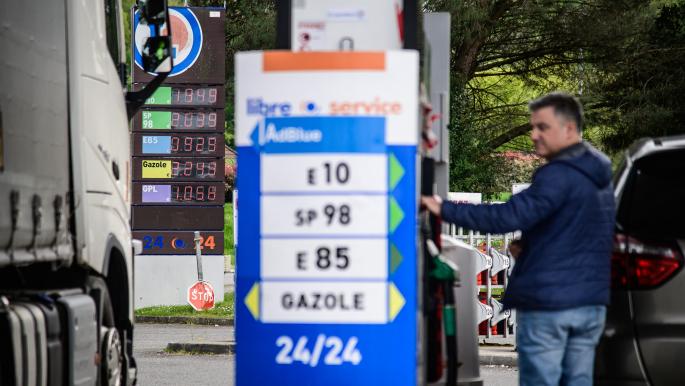
Global markets are suffering from an unprecedented energy crisis, with oil supplies declining by more than 10 million barrels per day, resulting in prices soaring above $100. In response to this crisis, governments have implemented emergency measures to absorb the shock.
Concerns are growing about the impact of this crisis on the global economy, as the decline in oil supplies directly affects energy prices and essential goods. With ongoing geopolitical conflicts and the effects of the COVID-19 pandemic, the situation appears to be worsening in the near future.
Details of the Energy Crisis
Reports indicate that the current energy crisis is the worst in modern history, with global markets experiencing sharp price fluctuations. These fluctuations have led to increased production and transportation costs, threatening the stability of many economic sectors.
The government measures announced to address this crisis include increasing domestic energy production, enhancing cooperation with oil-producing countries, and supporting families and businesses affected by rising prices. Steps have also been taken to encourage the use of renewable energy sources as a long-term alternative.
Background & Context
The roots of the current energy crisis can be traced to several factors, including reduced investments in the oil sector over the past years and the impacts of climate change that have prompted many countries to decrease their reliance on fossil fuels. Additionally, regional conflicts, such as the dispute in the Middle East, have played a significant role in destabilizing energy supplies.
In recent years, the world has seen a shift towards renewable energy, but this transition has not been sufficient to compensate for the sharp decline in oil supplies. As global demand for energy continues to rise, countries find themselves in urgent need of effective strategies to ensure the stability of their supplies.
Impact & Consequences
The energy crisis is expected to significantly impact global economic growth, as rising prices will reduce consumers' purchasing power, negatively affecting demand. Companies will also face challenges in managing production costs, potentially leading to job cuts and increased unemployment rates.
Moreover, this crisis may exacerbate geopolitical tensions as countries strive to secure affordable energy supplies. These dynamics could lead to new conflicts or worsen existing ones, increasing instability in the region.
Regional Significance
The current energy crisis is one of the greatest challenges facing the global economy, necessitating urgent action to mitigate its effects. As nations grapple with the implications of rising energy costs, the need for collaborative international efforts becomes increasingly apparent.
In conclusion, the unfolding energy crisis highlights the vulnerabilities in global energy systems and the urgent need for sustainable solutions that can withstand geopolitical and economic pressures.