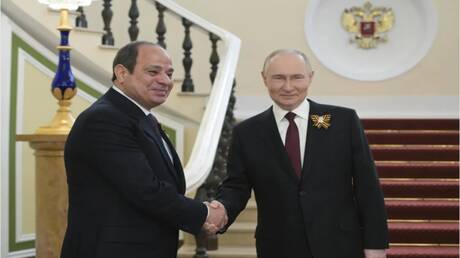
Attention is focused on the ambitious grain project between Egypt and Russia, which Israeli media suggests could diminish American influence in the region. This initiative aligns with Egypt's efforts to strengthen economic partnerships with new countries.
As Egypt seeks to diversify its economic sources, cooperation with Russia in the grain sector appears to be a strategic step aimed at enhancing Egyptian food security. The project, which includes the establishment of grain storage centers and facilitation of transportation processes, could contribute to increasing local production and reducing reliance on imports.
Details of the Project
According to reports, the project involves significant investments from the Russian side, as Russia is one of the largest grain exporters in the world. This collaboration is expected to enhance Egypt's capacity to achieve self-sufficiency in grain production, which is a strategic goal for the Egyptian government.
The plan also includes the establishment of advanced logistical centers, which will help improve the supply chain and reduce costs. Furthermore, the project may open new avenues for cooperation between the two countries in other areas, such as energy and agriculture.
Background & Context
Historically, Egypt has heavily relied on imports to meet its grain needs, making it vulnerable to fluctuations in the global market. With increasing economic pressures, the Egyptian government has begun to seek new partnerships to bolster food security. In recent years, Egyptian-Russian relations have seen notable developments, with several agreements signed in various fields.
This project comes at a time when international relations are undergoing significant changes, as many countries seek to reduce their dependence on traditional powers like the United States. In this context, Egyptian-Russian cooperation is viewed as a step towards achieving greater balance in international relations.
Impact & Consequences
If this project comes to fruition, it could have significant impacts on the economic landscape in Egypt. It is expected to contribute to the creation of new job opportunities, enhance local production, and reduce reliance on imports. Additionally, this collaboration may encourage other countries to seek similar partnerships, potentially leading to changes in global trade dynamics.
On another note, this project may raise concerns among some Western countries, which might view the strengthening of Egyptian-Russian relations as a threat to their influence in the region. Therefore, international reactions to this cooperation will be of great interest in the coming period.
Regional Significance
This project represents a model for Arab cooperation with major countries and may encourage other nations in the region to take similar steps to enhance their economic partnerships. Given the economic challenges faced by many Arab countries, cooperation with nations like Russia could be an effective means of achieving sustainable development.
Moreover, this collaboration could contribute to enhancing food security in the region, which is vital in light of climate change and global economic pressures. Ultimately, the grain project between Egypt and Russia represents a step towards achieving sustainable development goals in the Arab region.