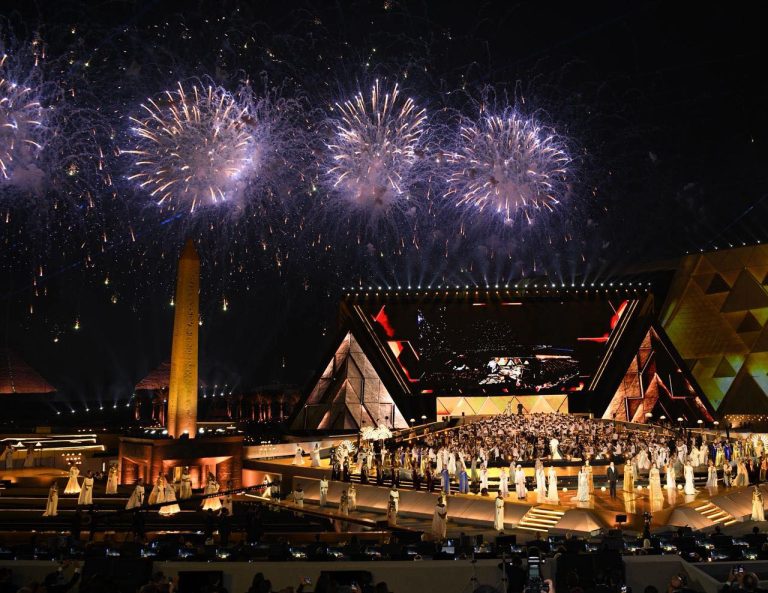
Former Minister of Antiquities, Dr. Zahi Hawass, affirmed that the Grand Egyptian Museum is a prime example of Egypt's enduring identity, noting that this cultural landmark symbolizes national pride and reflects the rich history of ancient Egyptian civilization.
Hawass made these statements during his participation in the international conference on antiquities, where he pointed out that the museum, located near the Pyramids of Giza, will house a collection of artifacts that showcase Egypt's history from ancient times to the modern era.
Event Details
The Grand Egyptian Museum, considered one of the largest museums in the world, aims to display over 100,000 artifacts, including the famous collection of Tutankhamun. The museum is expected to attract millions of visitors annually, contributing to the enhancement of cultural tourism in Egypt.
Hawass also noted that the museum will offer educational and cultural programs for visitors, enhancing their understanding of the history of Egyptian civilization and its significance in a global context.
Background & Context
The Grand Egyptian Museum was established in 2002, and since then, the project has faced numerous challenges, including construction delays and funding issues. Nevertheless, the Egyptian government continues to support the project, as it is considered a vital part of Egypt's 2030 Vision for sustainable development.
Egypt's rich history of antiquities and cultural landmarks makes the Grand Egyptian Museum a major attraction for visitors from around the world, reflecting the importance of preserving and promoting cultural heritage.
Impact & Consequences
The opening of the museum is expected to boost the Egyptian economy by increasing the number of tourists, which will lead to the creation of new job opportunities and stimulate sectors related to tourism. Additionally, the museum represents an opportunity to present Egypt as a global cultural destination.
Furthermore, the museum will help foster national pride among Egyptians, as it will become a symbol of Egyptian identity and reflect their rich history.
Regional Significance
The Grand Egyptian Museum serves as a model for other Arab countries on how to preserve and promote cultural heritage. Egypt's experience can inspire other nations to develop similar cultural projects, contributing to the enhancement of Arab identity as a whole.
In conclusion, the Grand Egyptian Museum is not just a cultural landmark; it embodies Egypt's enduring identity and reflects a rich history that deserves appreciation and celebration.