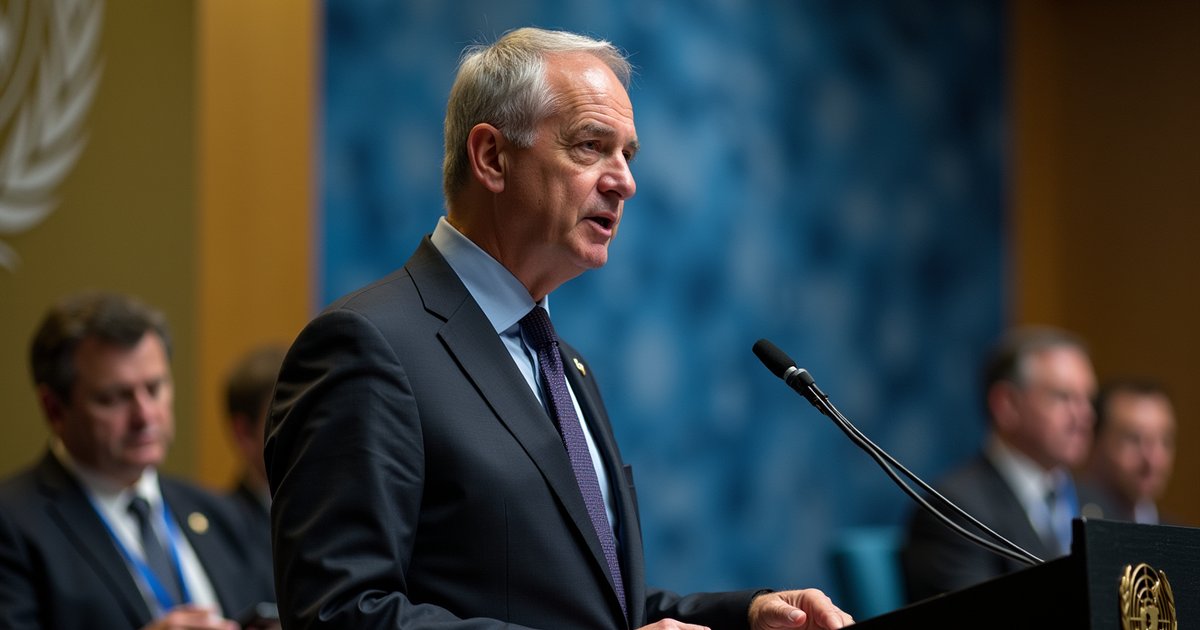
The Prime Minister of Greece, Kyriakos Mitsotakis, has announced a government decision to prohibit social media use for children under the age of 15, effective from 2027. This move is part of the government's efforts to safeguard children from potential dangers they may encounter online.
Mitsotakis emphasized that this decision reflects the government's commitment to protecting children and youth from the negative impacts of social media, which include cyberbullying and inappropriate content. He also noted that this decision will enhance children's safety in the digital space.
Details of the Announcement
This announcement comes at a time when concerns are growing about the impact of social media on the mental health of children and teenagers. Multiple studies have shown that excessive use of these platforms can lead to issues such as depression and anxiety. The ban is expected to be implemented gradually, with the government preparing the necessary laws for its enforcement.
The Greek government aims to establish a legal framework that defines how social media can be used, including imposing restrictions on account creation for children below the legal age. Additionally, it will work to educate families about the risks associated with using these platforms.
Background & Context
Greece is among the European countries that have begun adopting stricter policies regarding social media use by minors. In recent years, several European nations, such as France and Germany, have implemented similar measures aimed at protecting children from digital risks.
There is increasing pressure on European governments to adopt laws that protect children from the negative influences of the internet, especially in light of rising incidents of cyberbullying and harmful content. This decision is part of broader efforts to address the challenges posed by the digital revolution to societies.
Impact & Consequences
This decision is expected to have a significant impact on how children use social media. The ban may reduce the number of children using these platforms, which could contribute to a decrease in incidents of bullying and related psychological issues.
On the other hand, parents may face new challenges in raising their children in the technology age. It will be important for parents to collaborate with schools and local communities to teach children how to use the internet safely and effectively.
Regional Significance
This step taken by Greece is of interest to many Arab countries facing similar challenges in protecting children from digital risks. Arab nations may benefit from Greece's experience in establishing policies that shield children from the negative effects of social media.
With the increasing use of the internet in Arab countries, it is crucial for governments to adopt effective policies to protect children, including raising awareness among families and communities about potential risks.