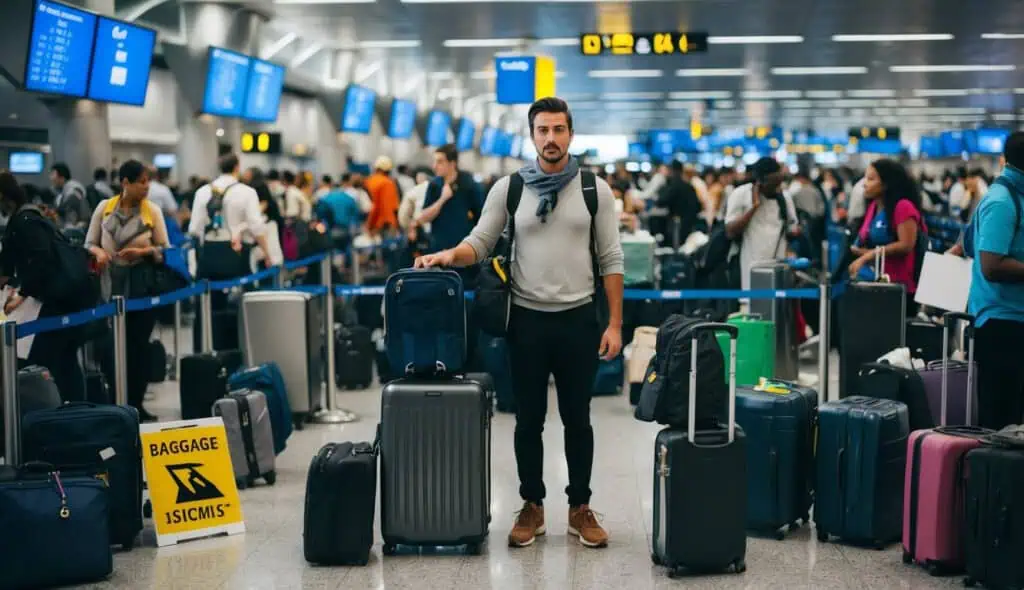
Air travel anxiety is on the rise globally, with fears of flying no longer being the sole concern. Long lines and increasing disruptions at airports, particularly during peak periods, have become new challenges that impact the travel experience.
Reports indicate that many travelers are experiencing anxiety due to long waits in lines, whether at security checks or check-in counters. These disruptions lead to feelings of frustration and stress, heightening psychological pressure on travelers, especially those who suffer from a fear of flying.
Event Details
Statistics show that the number of air travelers has significantly increased following the easing of travel restrictions related to the COVID-19 pandemic. With this rise, airports are facing substantial challenges in managing the growing numbers. Long lines have become a common sight, with travelers spending extended periods waiting, which further elevates anxiety levels.
Moreover, disruptions in flight schedules, whether due to weather conditions or technical issues, exacerbate the situation. Many travelers have reported lengthy delays, increasing their feelings of insecurity and anxiety.
Background & Context
Historically, the air travel experience was characterized by comfort and ease, but recent years have seen significant changes. Following the COVID-19 pandemic, the aviation industry faced unprecedented challenges, as restrictions and lockdowns led to a reduction in flight numbers. As life returns to normal, airports have struggled to adapt quickly to the sudden increase in passenger numbers.
Technological advancements in travel, such as smartphone applications, have not been sufficient to alleviate pressure on travelers. Although these apps provide real-time information, they do not address the issues of long lines or service disruptions.
Impact & Consequences
Concerns about air travel significantly affect the aviation industry. Many airlines have begun taking measures to improve the traveler experience, such as increasing staff at checkpoints and offering additional services to reduce wait times. However, these efforts may not be enough to address the growing anxiety among travelers.
These feelings may also influence future travel decisions. Some individuals might completely avoid air travel, impacting the global economy and the tourism industry. Travel anxiety could also lead to a decline in bookings, increasing pressure on airlines.
Regional Significance
In the Arab region, where tourism and travel are essential parts of the economy, this anxiety could have significant repercussions. Many Arab countries rely on tourism as a primary source of revenue, and any decline in air travel could negatively impact these economies.
Furthermore, Arab airports face challenges similar to those encountered by global airports. Long lines and disruptions could lead to a decrease in incoming tourists, affecting tourism-related sectors such as hotels and restaurants.
In conclusion, the current situation in the aviation industry requires a swift and effective response from all stakeholders. Airlines and airports must work together to enhance the travel experience and reduce anxiety among travelers.