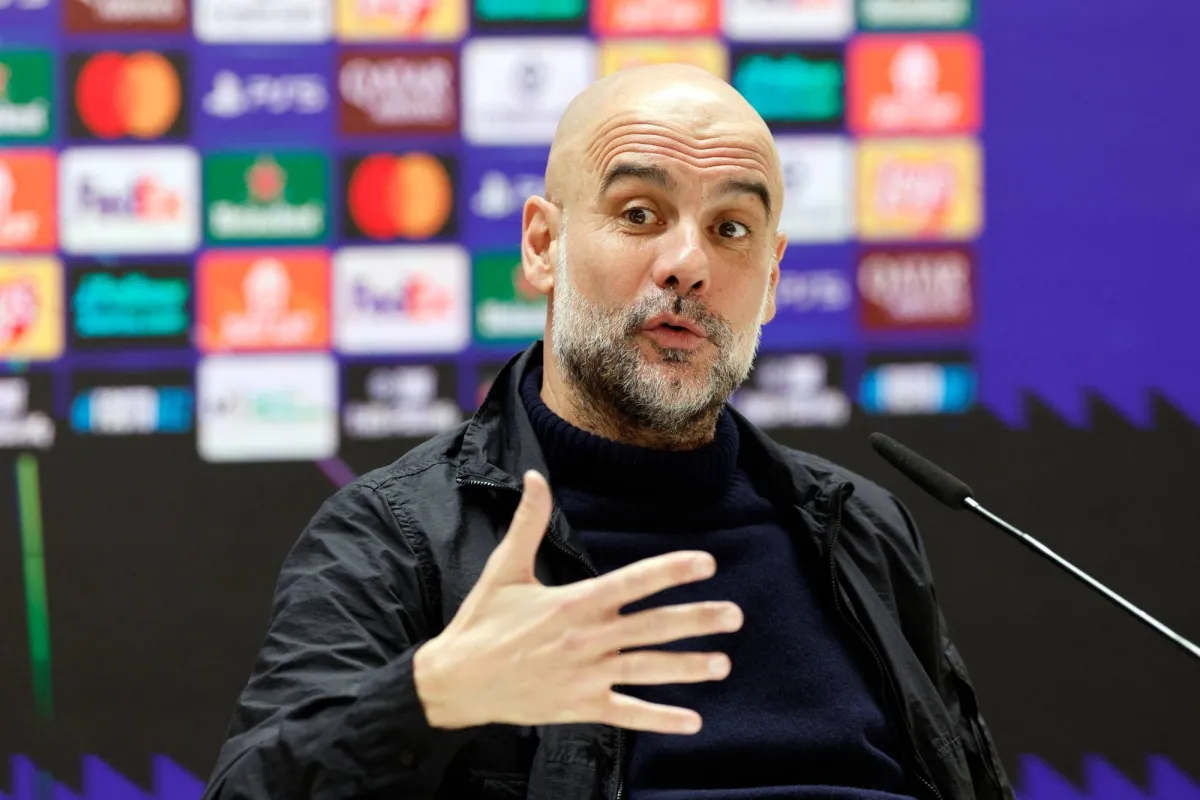
Pep Guardiola, the manager of Manchester City, has praised Egyptian star Mohamed Salah, asserting that he is considered one of the greatest players in the history of the Premier League. Guardiola's remarks came during a press conference, where he described Salah as a "wonderful human being," commending his astonishing statistics and consistency in delivering high-level performances.
Guardiola added, "It is the right time to acknowledge him in this country, as he deserves exceptional recognition for what he has contributed to world football, especially here." This praise comes at a time when Salah continues to make history as one of the standout players in the modern era of the Premier League.
Event Details
Guardiola's praise for Mohamed Salah is not merely a fleeting compliment; it reflects a recurring struggle against the Egyptian star. Throughout the years of rivalry between Liverpool and Manchester City, Salah has become a nightmare for Guardiola's defenses, having scored nearly 9 goals against his team in the Premier League, the highest number for any player in matches against City under his management.
Salah's impact extends beyond scoring; he has also contributed goals and assists in over 20 matches, highlighting his status as one of the top competitors in the ongoing rivalry between the two teams. With his speed and decisiveness in front of goal, Salah has become a "constant headache" for Manchester City's defenses.
Background & Context
Historically, the Premier League is regarded as one of the most competitive leagues in the world, having witnessed numerous outstanding players over the years. However, since joining Liverpool, Mohamed Salah has proven to be one of the most prominent among these players, contributing to the club's success in securing multiple titles.
Salah, who transferred to Liverpool in 2017, has managed to score crucial goals in significant matches, establishing himself as one of the shining names in the world of football. His dynamic playing style and ability to adapt to various circumstances have made him the center of attention.
Impact & Consequences
Guardiola's praise for Salah reflects a broad appreciation for his talent, which may influence his future career. As the season draws to a close, speculation about Salah's future is increasing, especially with major clubs showing interest in signing him.
This commendation may also enhance Salah's status in the hearts of Liverpool fans, who regard him as one of the club's legends. At the same time, it underscores the importance of having players like Salah in the Premier League, as they contribute to raising the level of competition and attracting attention to the league.
Regional Significance
Mohamed Salah's achievements are a source of pride for Arabs, as he represents a role model for youth in the region. His success in the Premier League reflects the ability of Arabs to excel in various fields, including sports.
Moreover, Salah is considered a symbol of excellence and success, which enhances the spirit of sportsmanship in the Arab world and encourages new generations to pursue their dreams.
In conclusion, Guardiola's praise for Salah serves as evidence of his significant impact on the world of football, reinforcing his status as one of the greatest players in the history of the Premier League.