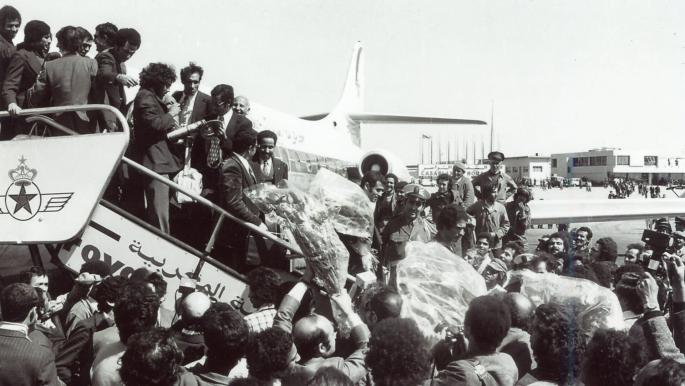
In an intriguing development, a former player of the Guinea national team has denied rumors that have recently spread on social media regarding Morocco's withdrawal from the Africa Cup of Nations (AFCON) match in 1976. The player emphasized that Morocco is the champion of that edition, having achieved a historic accomplishment that cannot be denied.
These statements come at a time when misleading news about past sporting events is on the rise, raising questions about the accuracy of information circulating online. The rumors that claimed Morocco left the pitch during the match against Guinea have sparked widespread controversy among football fans in the Arab world.
Details of the Event
The match between Morocco and Guinea took place during the Africa Cup of Nations in 1976, which was one of the most prominent tournaments in the history of African football. The match ended in a draw, leading to Morocco winning the tournament after securing the title in that edition.
The recent rumors claiming that the Moroccan national team withdrew from the match are not based on any reliable evidence. The former Guinean player confirmed that Morocco played a significant role in that tournament and that no one can deny its achievements.
Background & Context
The history of African football is filled with historic moments, including the Africa Cup of Nations in 1976. This tournament was a turning point in the history of Moroccan football, as the Moroccan national team managed to achieve its first title in this tournament.
It is noteworthy that Morocco has played a pioneering role in developing football in the region, and its achievements have contributed to enhancing its status on the African and international stage. The rumors circulating about its withdrawal from the match reflect a lack of sufficient awareness of the history of African football.
Impact & Consequences
The impact of rumors on the reputation of teams and players can be significant, as they affect how fans perceive the teams. The spread of such misleading news can lead to a distortion of historical facts, highlighting the necessity of verifying information before sharing it.
In light of technological advancements and the ease of access to information, fans and media must be more cautious when dealing with news, especially those related to historical tournaments.
Regional Significance
Football is an integral part of Arab culture, bringing people together and enhancing social bonds. Rumors that affect the history of football in the region can negatively impact the sporting identity of its peoples.
Therefore, it is essential to promote historical awareness among fans and to correct misinformation to ensure that such rumors do not recur in the future.
In conclusion, we must be aware of the importance of accurate information in the world of sports and work together to promote a healthy sports culture.