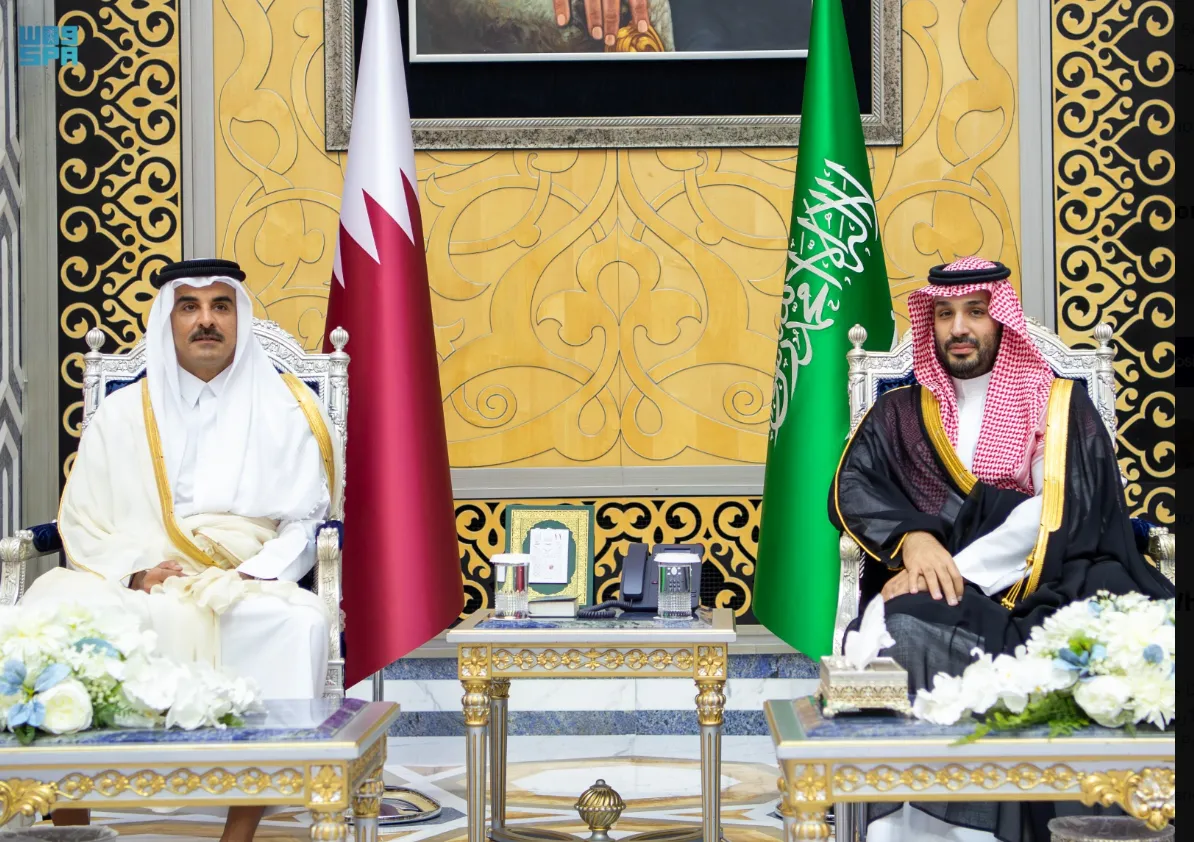
Saudi Crown Prince Mohammed bin Salman convened the Gulf Consultative Summit in Jeddah, gathering leaders from the Gulf Cooperation Council (GCC) to discuss the latest developments in regional and international affairs. The summit addressed several critical issues, including diplomatic efforts aimed at containing the increasing tensions in the region.
This summit comes at a sensitive time as the region witnesses a surge in tensions, with discussions revolving around Pakistani mediation between the United States and Iran as a potential solution to alleviate the crises. The summit emphasized the importance of unifying the Gulf stance and enhancing coordination among member states to support a collective security framework.
Event Details
The Saudi Crown Prince welcomed the leaders of the GCC, including Kuwait's Crown Prince Sheikh Sabah Khaled Al-Hamad Al-Sabah, King Hamad bin Isa Al Khalifa of Bahrain, and Emir Tamim bin Hamad Al Thani of Qatar. Discussions centered on the recurring attacks attributed to Iran and its proxies, which have targeted infrastructure, civilian, and oil facilities.
Additionally, the implications of closing the Strait of Hormuz and its effects on navigation and global trade were addressed. Saudi Arabia reiterated the necessity of protecting international waterways, stressing that any threat to freedom of navigation directly impacts global economic stability.
Background & Context
The Arabian Gulf region is considered one of the most sensitive areas in the world, where regional and international interests intersect. In recent years, there has been an escalation in military activities and tensions between Iran and the United States, affecting the region's stability. The Strait of Hormuz is a vital artery for global oil trade, through which approximately 20% of total global oil exports pass.
The Gulf states are striving to enhance their security through coordinated efforts, and the current summit represents a significant step in this direction. A report from the Gulf Research Center indicated that Gulf countries are most vulnerable to the repercussions of Iran's use of the Strait of Hormuz as a pressure tool.
Impact & Consequences
Concerns are growing that current tensions could lead to military escalation, potentially affecting navigation in the region. Reports have warned that any friction occurring in the Strait of Hormuz could escalate into open confrontation, threatening regional stability and negatively impacting global markets.
Moreover, Iran's use of the Strait of Hormuz as a pressure tool places Gulf states in a delicate position, as they need to protect freedom of navigation without allowing the strait to become a battleground. Strengthening coordination with international partners is essential to avoid escalation.
Regional Significance
The Gulf Consultative Summit represents an important step toward enhancing cooperation among Gulf states in addressing regional challenges. The meeting reflects the desire of Gulf leaders to unite their ranks against common threats, contributing to the enhancement of security and stability in the region.
In conclusion, the Gulf Consultative Summit in Jeddah serves as a starting point for further coordination and cooperation among member states amid the increasing challenges facing the region. Leaders hope that these efforts will yield effective solutions that bolster the region's security and stability.