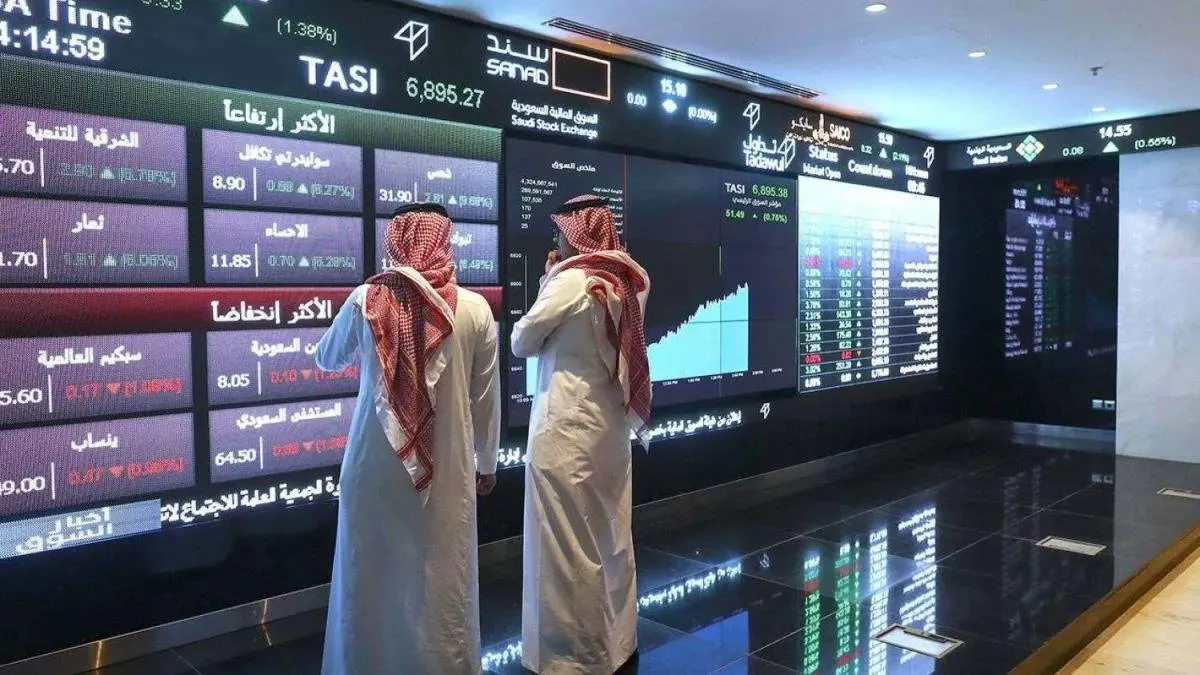
Gulf stock markets experienced a notable rise during early trading on Tuesday, supported by corporate earnings announcements, despite ongoing concerns about geopolitical tensions. Investors remain cautious due to President Donald Trump's dissatisfaction with Iran's recent proposals to resolve the two-month-long conflict, which has disrupted energy supplies and increased inflation rates.
The Iranian proposal suggests postponing discussions on the nuclear program until after the war, complicating the situation in the region. In this context, the main index in Saudi Arabia rose by 0.4%, with shares of Al Rajhi Bank increasing by 1.3% and Aramco shares rising by 0.5%.
Market Details and Performance
At the same time, June Brent crude futures rose by $2.32, or 2.1%, reaching $110.55 per barrel by 06:38 GMT. In Dubai, the main index climbed by 0.1%, supported by a 0.6% increase in shares of Dubai Islamic Bank, while shares of Air Arabia fell by 0.7%.
In Abu Dhabi, the index rose by 0.1%, with Aldar Properties shares increasing by 0.2% after reporting a rise in quarterly profits. The Qatari index also saw a 0.1% increase amid volatile trading.
Background & Context
These market movements come at a time when investor caution has increased, particularly following signals from U.S. officials regarding President Trump's dissatisfaction with the Iranian proposal. This situation reflects a state of diplomatic stalemate in negotiations between the United States and Iran, directly impacting global markets.
European stocks recorded a slight decline, with the European Stoxx 600 index falling by 0.3% to 606.94 points by 07:04 GMT. The ramifications of the war in the Middle East have cast a shadow over global markets, contributing to rising oil prices and renewed concerns about inflation and global growth prospects.
Impact & Consequences
Despite a recovery in Wall Street and several global markets from a sharp sell-off, European stocks, especially those linked to the energy sector, remain below their levels recorded before the outbreak of the war. In this context, BP shares rose by 2.3% after announcing quarterly profits that exceeded expectations, while Novartis shares fell by 4.5% due to reporting operating profits and quarterly sales below market estimates.
Additionally, yields on 30-year British government bonds have declined, reflecting political concerns related to Prime Minister Keir Starmer's future. At the same time, oil prices rose by about 3%, adding further pressure on bonds.
Regional Significance
Arab markets are directly affected by geopolitical tensions, as oil markets play a vital role in determining economic trends. Rising oil prices may lead to increased revenues in producing countries, but at the same time, they raise concerns about inflation in importing nations.
In conclusion, investors remain on cautious alert amid developments in the region, making it essential to closely monitor the situation.