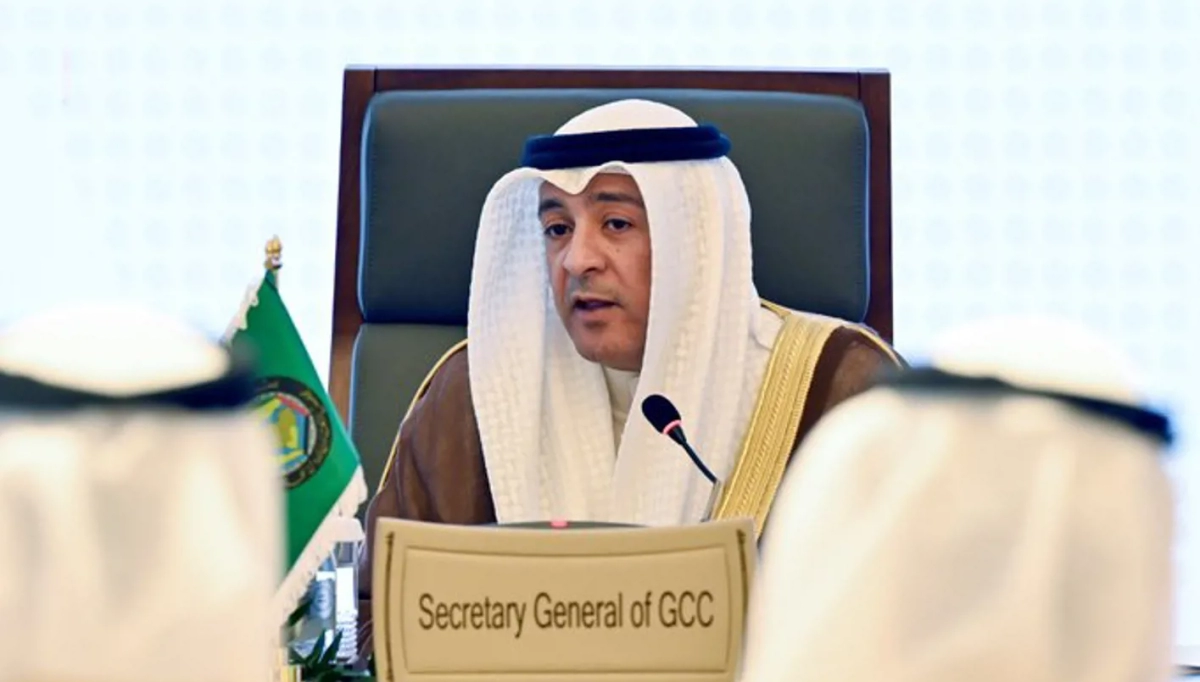
The Gulf Cooperation Council (GCC) is working to bolster its economic security by studying the creation of joint oil and gas pipeline networks. This initiative was a key topic during the ninth meeting of the Permanent Preparatory Committee at the ministerial level for the Economic and Development Authority of the Council, which took place virtually on Thursday.
The meeting was chaired by Bahrain's Minister of Finance and National Economy, Sheikh Salman bin Khalifa Al Khalifa, who currently leads the Financial and Economic Cooperation Committee within the council, alongside finance and economy ministers from member states. The Secretary-General of the GCC, Jasem Al-Budaiwi, emphasized that recent regional developments necessitate stronger coordination among Gulf countries and economic integration to enhance collective readiness to face challenges and protect vital sectors, markets, and supply chains.
Details of the Meeting
During the meeting, the importance of accelerating the implementation of joint Gulf projects was highlighted, particularly in the fields of transport and logistics. Al-Budaiwi noted that discussions included speeding up the Gulf railway project, enhancing the regional electricity interconnection network, and studying oil and gas pipeline projects, in addition to the progress of the Gulf water linkage project and ongoing studies regarding the establishment of strategic reserve storage areas, taking into account liquidity reserves for central banks.
Al-Budaiwi explained that these projects are deemed essential for enhancing the council's capacity to absorb shocks and ensure the continuous flow of goods and services, thereby strengthening the region's collective economic security. The meeting also followed up on directives issued during the seventh session of the committee regarding the preparation of a framework that defines the ministerial responsibilities of the committee and enhances its role in supporting the economic and developmental policies of the GCC.
Background & Context
The Gulf Cooperation Council was established in 1981 and consists of six countries: Bahrain, Kuwait, Oman, Qatar, Saudi Arabia, and the United Arab Emirates. The council aims to promote cooperation among member states in various fields, including economy, security, and politics. The region has faced increasing economic and political challenges, making it essential to enhance regional cooperation.
Infrastructure projects such as oil and gas pipelines are a fundamental part of the Gulf states' strategy to promote economic integration. In recent years, the region has witnessed significant shifts in global energy markets, increasing the importance of these projects to ensure supply stability.
Impact & Consequences
Through these initiatives, Gulf countries aim to strengthen their ability to confront global economic challenges, such as oil price fluctuations and climate change. The establishment of joint pipeline networks can help reduce costs and increase efficiency in resource transportation, enhancing the countries' competitiveness in the global market.
Moreover, strengthening cooperation among Gulf states in energy and transport can lead to improved economic and political relations among member countries, thereby enhancing overall regional stability.
Regional Significance
These steps represent a positive move towards enhancing Arab cooperation, as they may inspire other countries in the region to adopt similar economic cooperation models. Additionally, strengthening economic security in the Gulf has a direct impact on the stability of the Arab region as a whole, as any fluctuations in the Gulf economy affect other Arab nations.
In conclusion, the study of oil and gas pipeline projects represents an important step towards enhancing economic integration among GCC countries, contributing to the strengthening of security and stability in the region.