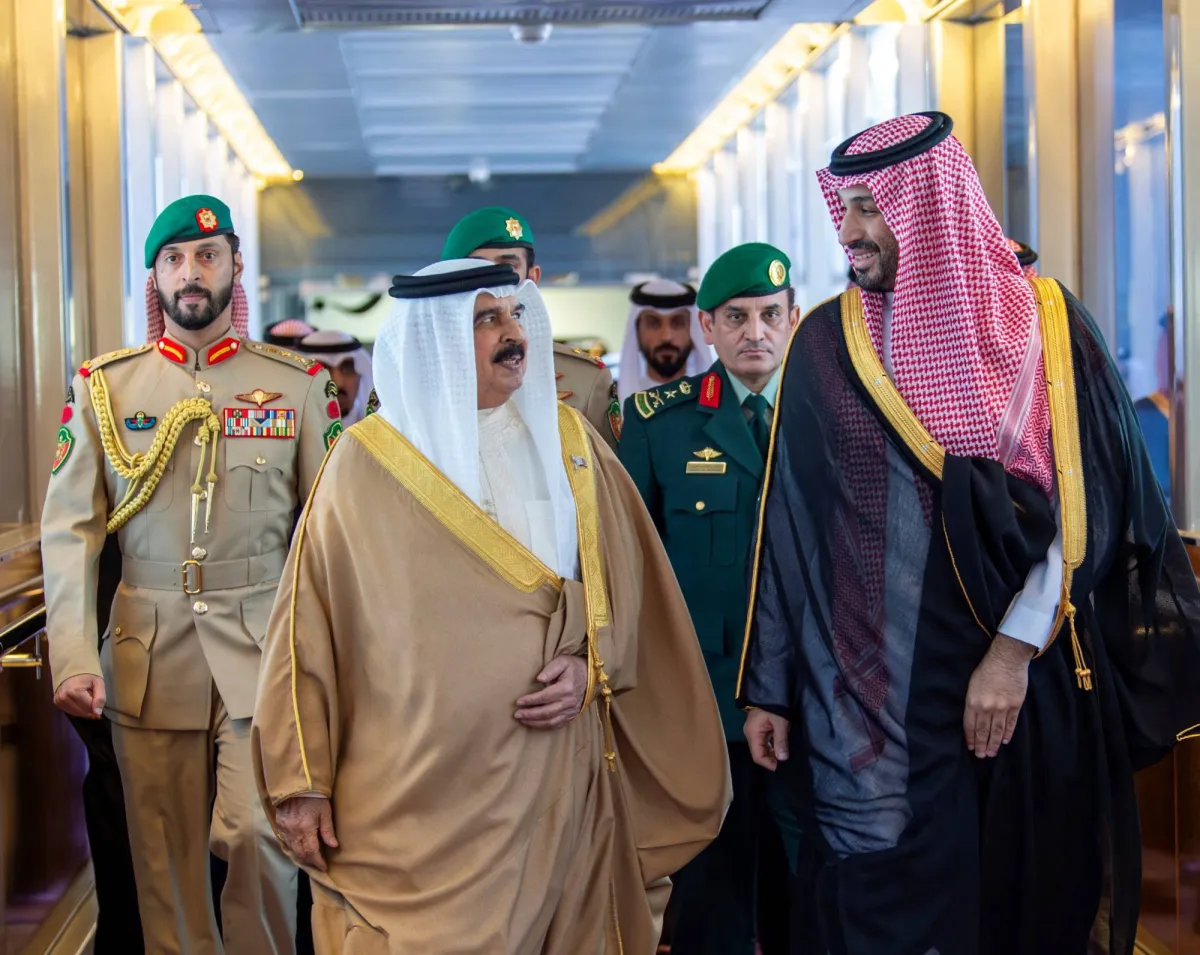
The Gulf Consultative Summit, led by Saudi Crown Prince Mohammed bin Salman in Jeddah, convened to discuss the current regional conditions, especially those related to the escalating tensions in the area. The summit strongly emphasized the necessity of restoring maritime security in the Strait of Hormuz and condemned the Iranian attacks targeting the Gulf Cooperation Council (GCC) countries and Jordan.
In a statement, Jassim Al-Budaiwi, the Secretary-General of the GCC, clarified that the summit was called by the Saudi leadership and discussed ways to establish a diplomatic path to resolve the current crisis. The importance of enhancing long-term security and stability in the region was also highlighted.
Details of the Event
The leaders expressed their strong condemnation of the Iranian attacks, noting that these actions have led to a loss of trust between the Gulf states and Iran. Al-Budaiwi affirmed the right of the Gulf states to defend themselves, either individually or collectively, in accordance with Article 51 of the United Nations Charter.
The summit also directed the General Secretariat of the council to expedite the completion of joint Gulf projects, including transportation and logistics projects, as well as the Gulf railway project. The leaders further emphasized the importance of intensifying military integration among the council member states.
Background & Context
This summit comes at a sensitive time when the region is witnessing an escalation of tensions, particularly with the increasing Iranian attacks on Gulf states. These events raise significant concerns regarding maritime security in the Strait of Hormuz, which is considered a vital artery for global oil trade.
Historically, the Strait of Hormuz has experienced numerous tensions, as it serves as a major transit point for oil shipments from Gulf countries to global markets. Any threat to maritime security in this area could significantly impact the global economy.
Impact & Consequences
The recent Iranian attacks could lead to a potential military escalation in the region, complicating the security situation further. The Gulf states, which have shown the capability to address challenges, need to enhance their military and economic cooperation to confront these threats.
Additionally, the loss of trust between the Gulf states and Iran may affect future diplomatic efforts, making it difficult to reach peaceful solutions to regional crises.
Regional Significance
This summit represents an important step towards strengthening cooperation among Gulf states, as it seeks to unify positions in facing common challenges. Security and stability in the region have a direct impact on other Arab countries, necessitating a concerted effort.
In conclusion, the Jeddah Summit emerges as a platform to enhance Gulf solidarity in confronting challenges and underscores the importance of restoring maritime security in the Strait of Hormuz as a top priority.