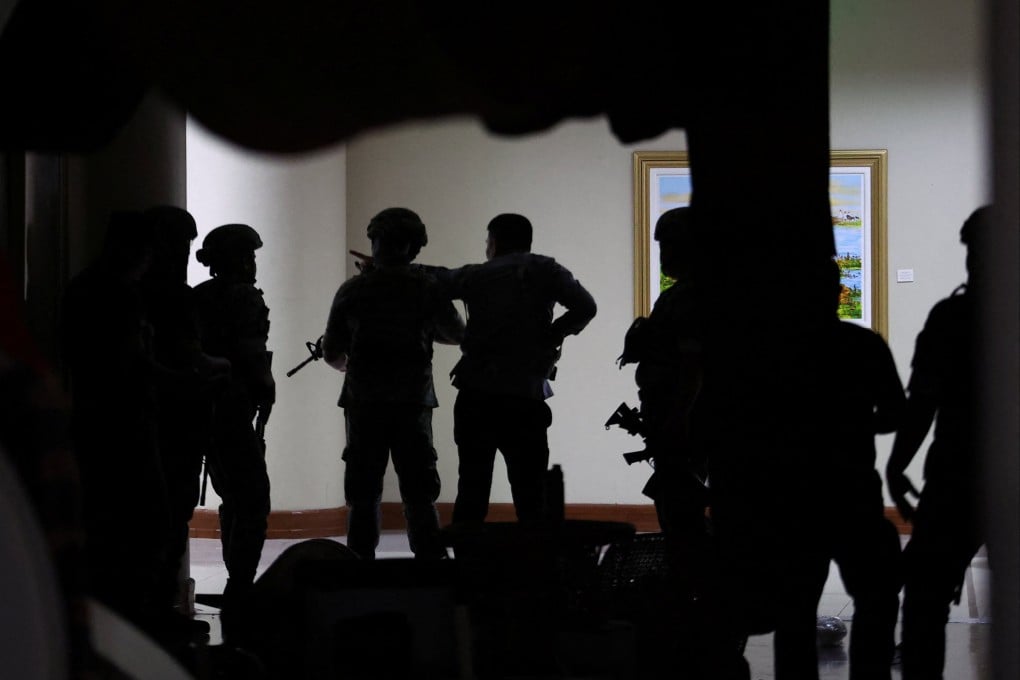
The Philippine Senate experienced a chaotic scene on Wednesday as gunfire rang out, leading attendees to seek shelter. It was not immediately clear what was happening or who was firing, but eyewitnesses reported that over 10 military personnel arrived at the Senate building, some armed with assault weapons.
As tensions escalated, military forces gathered around the Senate, heightening anxiety among those present. Some entrances were closed, and staff and citizens were instructed to stay away from windows and find safe spaces.
Details of the Incident
This incident occurs at a sensitive time for the Philippines, as the wanted senator faces accusations related to human rights violations, sparking widespread controversy in the country. Reports indicate that the senator had shown resistance to arrest, which contributed to the rising tensions around the Senate.
It is noteworthy that the wanted senator is a prominent figure in Philippine politics and has played a significant role in the previous government. This situation has elicited mixed reactions among citizens, with some considering the arrest a necessary step towards justice, while others view it as an infringement on their political rights.
Background & Context
Historically, the Philippines has witnessed numerous political crises that have led to heightened tensions between the government and the opposition. In recent years, there have been increasing calls from human rights organizations for accountability regarding those responsible for violations. The wanted senator has been part of these crises, making him a target for both local and international criticism.
The political landscape in the Philippines is often marked by conflict, and the current situation could further exacerbate these issues, particularly with the involvement of military forces in civilian matters.
Impact & Consequences
These events could lead to an escalation of political tensions in the Philippines, as supporters of the senator may organize protests against the government. Additionally, the situation could affect the Philippines' international relations, especially with countries that advocate for human rights. The current chaos may result in changes to local policies, with the government likely to adopt stricter measures against dissenters.
Furthermore, the response from the international community could influence how the Philippine government addresses human rights issues moving forward, potentially leading to increased scrutiny and pressure.
Regional Significance
The implications of this incident extend beyond the Philippines, as it highlights the ongoing struggles related to governance and human rights in the region. Neighboring countries may observe the situation closely, particularly those facing similar political challenges.
In conclusion, the unfolding events in the Philippine Senate underscore the fragile state of political stability in the country and the potential repercussions for human rights and governance in the region.