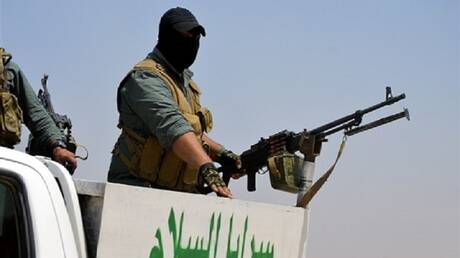
In a move that reflects the religious and political orientations of Iraqi Shiite leader Moqtada al-Sadr, he has issued important directives consisting of 12 key points for his militia, Saraya al-Salam. Among these directives is the emphasis on the necessity of carrying a copy of the Quran inside vehicles, in addition to restricting vehicle use to Korean and Chinese models.
These directives arrive at a time when the Iraqi political landscape is undergoing significant transformations, as al-Sadr seeks to strengthen his religious and political identity among his supporters. This step may represent an attempt to enhance collective spirit and religious belonging among Saraya al-Salam members, reflecting the importance of religion in guiding individual behaviors within Iraqi society.
Details of the Directives
The directives issued by al-Sadr include several other points, such as a commitment to Islamic values and ethical behaviors. Al-Sadr also called for the necessity of preserving Iraqi national identity, reflecting his sense of responsibility towards the community. These directives are part of al-Sadr's efforts to enhance his influence in the political and social arenas, especially given the challenges facing the country.
It is well-known that Moqtada al-Sadr enjoys a broad popular base and is considered one of the most prominent political figures in Iraq. Saraya al-Salam has played a significant role in combating ISIS, which has increased its popularity among Shiite circles. However, al-Sadr's recent directives may spark some controversy regarding their impact on the security and political situations in the country.
Background & Context
Saraya al-Salam was established in 2014 as part of Iraq's efforts to confront ISIS, receiving substantial support from al-Sadr. Since then, this militia has become an integral part of the security and political landscape in Iraq. With rising political tensions in the country, al-Sadr aims to strengthen his position through new directives aimed at uniting his supporters.
These directives are seen as part of al-Sadr's strategy to assert his authority in the political arena, as he seeks to foster a collective spirit among his members. Additionally, the focus on religious values underscores the importance of religion in shaping Iraqi national identity, especially in light of the challenges the country faces.
Impact & Consequences
These directives may enhance religious belonging among Saraya al-Salam members, potentially contributing to their cohesion as a political and military force. However, the emphasis on using specific vehicles may raise questions about the impact on the local economy, particularly amid the economic challenges Iraq is experiencing.
Furthermore, these directives could affect relationships among various political components in Iraq, as they may be viewed as an attempt by al-Sadr to bolster his power at the expense of others. At the same time, adherence to Islamic values may enhance al-Sadr's image as a religious and political leader in the eyes of his supporters.
Regional Significance
The implications of these directives extend beyond the immediate context, as they highlight the role of religion in Iraqi politics and the influence of Moqtada al-Sadr on society. As Iraq navigates through political instability and economic challenges, the intertwining of religious identity and political authority becomes increasingly significant.
In conclusion, al-Sadr's directives serve as a reminder of the complex relationship between religion and politics in Iraq, and they may shape the future dynamics of the country's political landscape.