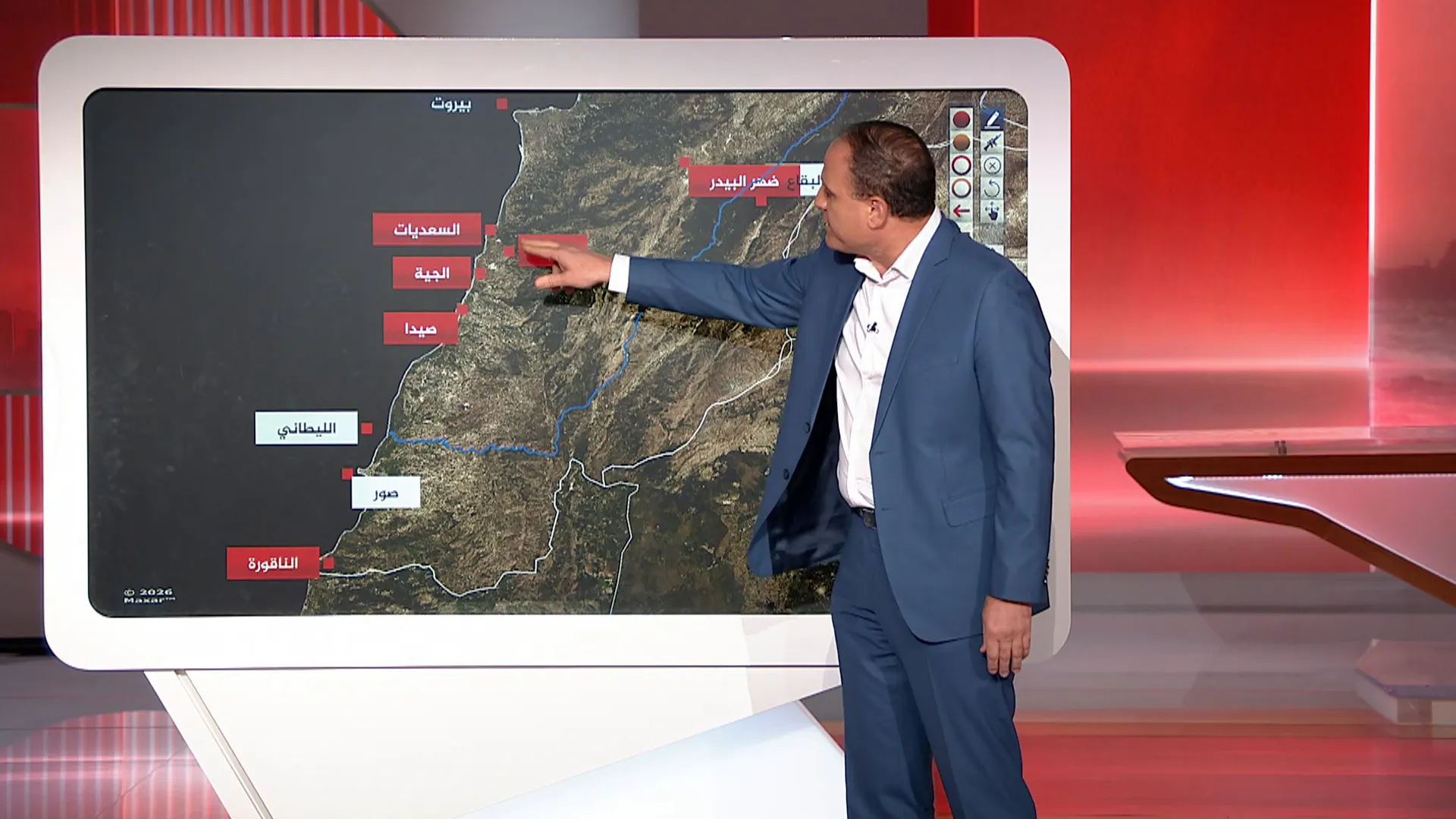
The Israeli airstrikes continue in the regions between Sidon and Beirut, with documented locations of the attacks and casualty figures. These strikes have raised concerns within the international community, which has called for an urgent cessation of hostilities.
Mohammad Ramal reported via an interactive map with precise details about the airstrikes, which targeted several locations, leading to injuries among civilians. The international reactions have been widespread, emphasizing the need to halt the escalation.
Details of the Airstrikes
The Israeli airstrikes are distributed across several strategic points, targeting residential areas and vital facilities, resulting in numerous casualties and exacerbating the suffering of local populations already grappling with economic and political crises.
These attacks coincide with rising tensions in the region, as Israel continues its military operations under the pretext of combating what it describes as security threats. Field reports have noted an increase in the number of airstrikes, reflecting an escalatory strategy by the Israeli military.
Background & Context
Historically, Lebanese-Israeli relations have been marked by ongoing tensions, especially following the armed conflicts that have plagued the region in recent years. These airstrikes occur at a sensitive time, as fears of a larger escalation loom, potentially dragging the region into new crises.
The current situation is compounded by the existing humanitarian challenges, with many civilians caught in the crossfire of military operations. The international community's response has been critical, urging for diplomatic solutions to prevent further deterioration.
Impact & Consequences
The Israeli airstrikes underscore the urgent need for peaceful resolutions to conflicts, as military escalation will only worsen humanitarian conditions. Human rights organizations have warned about the implications of these attacks on civilians, calling for the protection of their rights.
As the situation unfolds, the humanitarian impact is becoming increasingly dire, with many families displaced and in need of urgent assistance. The international community's role in mediating peace and providing support is more crucial than ever.
Regional Significance
This escalation highlights the deteriorating humanitarian conditions in Lebanon and the broader implications of military actions on civilian populations. The ongoing conflict not only affects Lebanon but also has the potential to destabilize neighboring countries.
In conclusion, the situation demands immediate attention from global leaders to address the root causes of the conflict and to work towards sustainable peace in the region.