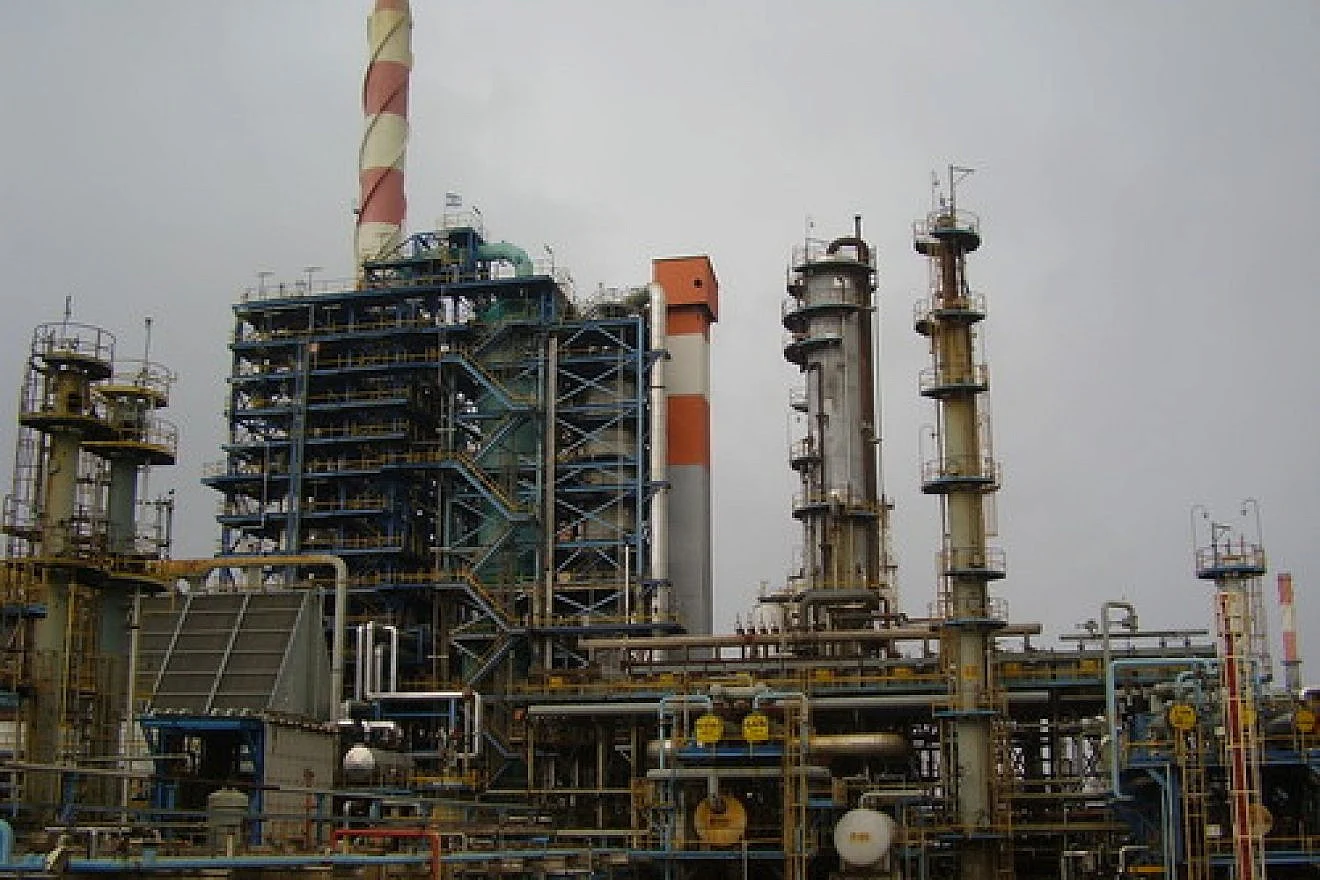
Sources indicate that the Hadera Refinery, one of the largest oil refineries in Israel, has undergone important operational changes reflecting new trends in the Israeli energy sector. These developments come at a time of significant transformations in the oil markets in the region, increasing the importance of this refinery in securing the country's energy needs.
The Hadera Refinery is considered a vital facility in Israel, playing a fundamental role in meeting local market demands for petroleum products. Recently, plans were announced to modernize the refinery and improve its efficiency, which will lead to increased production capacity and reduced carbon emissions.
Details of the Developments
Reports indicate that the Hadera Refinery will witness substantial investments in upgrading equipment and production technology. This step is part of the Israeli government's efforts to enhance environmental sustainability and reduce reliance on fossil fuels. The updates are expected to include the introduction of new technologies to improve production efficiency and minimize environmental impact.
It has also been revealed that the refinery will begin utilizing renewable energy sources, reflecting Israel's commitment to achieving its clean energy goals. These steps come at a time when many countries are striving to reduce carbon emissions and achieve sustainable development goals.
Background & Context
The Hadera Refinery was established in 1965, and since then, it has become one of the largest oil facilities in the region. The refinery plays a vital role in the Israeli economy, providing a wide range of petroleum products, including gasoline, diesel, and chemicals.
Over the years, the refinery has faced numerous challenges, including environmental pressures and changes in global oil markets. However, it has managed to adapt to these challenges through continuous innovation and modernization.
Impact & Consequences
The new updates at the Hadera Refinery are expected to positively impact the Israeli economy, contributing to increased production and reduced costs. Additionally, the use of renewable energy sources will help improve Israel's image on the international stage as a country striving for environmental sustainability.
Moreover, these developments may lead to enhanced cooperation between Israel and neighboring countries in the energy sector, opening new avenues for investment and trade in the region.
Regional Significance
The developments at the Hadera Refinery are of particular importance to the Arab region, as they reflect new trends in the energy industry. These updates may lead to increased competition in oil markets, affecting prices and demand in neighboring countries.
Furthermore, the shift towards renewable energy may encourage Arab countries to boost their investments in this field, contributing to achieving sustainable development goals in the region.
In conclusion, the updates at the Hadera Refinery represent an important step towards enhancing sustainability in the Israeli energy sector, potentially opening new horizons for regional cooperation in energy.