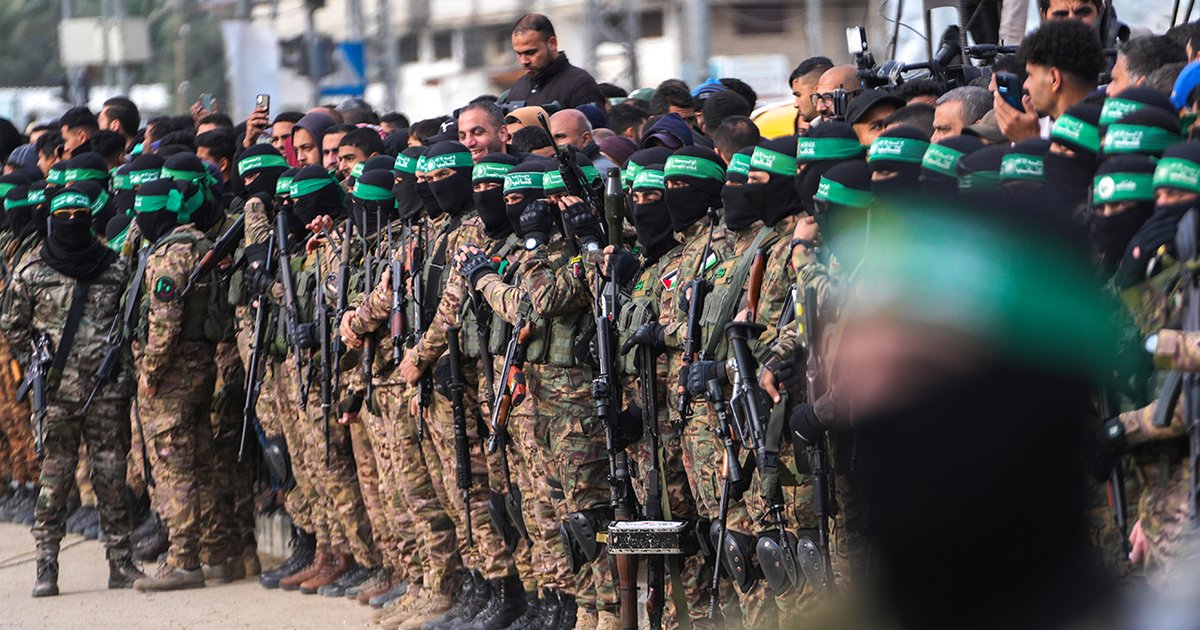
In ongoing efforts to establish a consensus for the second phase of the ceasefire agreement in Gaza, delegations from Hamas have returned to Ankara for new discussions with Turkish officials. This initiative comes at a critical time as the movement seeks to amend the proposal put forth by Nikolai Mladenov, the Executive Director of the Peace Council, which has not gained widespread acceptance.
Communications continue between Hamas and international mediators, as both parties strive to reach an agreement that ensures stability in Gaza. An informed source reported that the meetings in Ankara focused on finding alternatives to previous proposals that align with the aspirations of the Palestinian people.
Details of the Meetings
The visit of the Hamas delegation to Ankara comes at a time of increasing tensions in Gaza, as both sides aim to make progress in negotiations. Officials within the movement have emphasized the importance of these meetings in enhancing cooperation with Turkey, which plays a pivotal role in mediating between the concerned parties.
The discussions also include exploring ways to support Gaza economically and humanitarianly, as the region suffers from recurring crises due to the blockade and military operations. It is expected that the talks will also cover effective mechanisms for implementing the ceasefire, ensuring that military escalation does not recur.
Background & Context
Historically, Hamas has always sought to achieve consensus with international and local parties to ensure the rights of Palestinians. In recent years, several rounds of negotiations have taken place; however, the situation in Gaza still requires intensified efforts to achieve lasting peace.
In this context, the proposal presented by Mladenov is part of international efforts to find a comprehensive solution to the Israeli-Palestinian conflict. Nevertheless, Hamas's reactions indicate dissatisfaction with some aspects of the plan, prompting them to seek alternatives that better align with their interests.
Impact & Consequences
If Hamas succeeds in modifying the proposal to fit its aspirations, this could lead to improvements in the humanitarian situation in Gaza and strengthen the movement's position in the Palestinian political arena. Additionally, any progress in negotiations may help alleviate tensions in the region and provide new hope for citizens suffering from the effects of the ongoing conflict.
Conversely, a failure in negotiations or an inability to reach consensus may lead to a new escalation of violence, further increasing the suffering of civilians in Gaza and complicating peace efforts in the region.
Regional Significance
The situation in Gaza is part of the larger picture of the Arab-Israeli conflict, directly affecting relations between Arab states and Israel. Any progress in negotiations could open doors for further Arab cooperation in supporting the Palestinian cause.
Moreover, Hamas's success in achieving its goals could encourage other resistance movements in the region, complicating the political landscape further. Ultimately, hopes remain pinned on the outcomes of these negotiations, which could have far-reaching implications for the future of the conflict in the region.