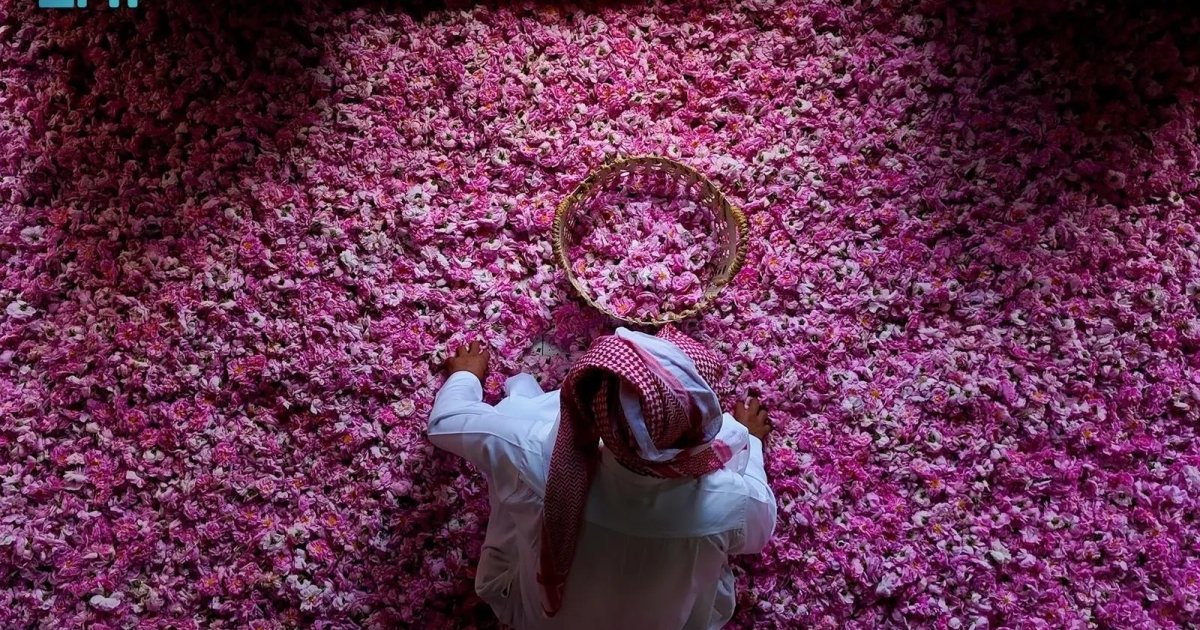
The rose farms in Taif are experiencing abundant production during the current harvest season, where favorable climatic conditions contribute to improving crop quality and increasing quantities. The rose farms are located in a high-altitude area, comprising over 910 farms with approximately 1.14 million rose bushes, and the harvest period lasts for about 45 days.
The rose farms are spread across the heights of Al-Hada and Al-Shifa, nestled between the slopes of the Asir Mountains, in a natural environment characterized by moderate temperatures and abundant water sources, creating an ideal setting for cultivating Taif roses. Farmer Khalaf Jaber Al-Tuwairqi noted that the mild weather and availability of irrigation resources have contributed to the increased density and quality of flowers this season, positively impacting the harvesting and production processes.
Details of the Event
During the peak of the harvest season, the farms produce thousands of roses daily, with the production of a single unit of rose oil, one of the most expensive essential oils in the world, requiring approximately 12,000 roses. This significant production reflects the efforts made by farmers to improve agricultural and harvesting techniques.
The rose farms in Al-Hada and Al-Shifa attract a growing number of visitors during the harvest season, as tourists come to witness the stages of harvesting and distillation and learn about this traditional craft that forms part of the agricultural identity of the region. Tour guide Abdullah Al-Zahrani reported that the abundant rose production has boosted tourism activity in Taif.
Background & Context
Historically, rose cultivation in Taif is part of Saudi Arabia's agricultural heritage, with this tradition dating back centuries. The unique climatic conditions in the region have made Taif a major center for rose production, gaining recognition both nationally and internationally.
The Taif rose is a symbol of beauty and fragrance, and rose oil has been used in various fragrance and cosmetic industries. Additionally, Taif hosts annual festivals to celebrate the rose season, enhancing its tourism profile.
Impact & Consequences
The increase in rose production in Taif contributes to strengthening the local economy, providing job opportunities for many families. The rising tourism activity also supports local businesses, such as restaurants and markets selling local products.
These farms are also an important source for scientific research, studying ways to improve agricultural and irrigation techniques to increase productivity. The growing interest in sustainable agriculture contributes to environmental preservation.
Regional Significance
Taif's experience in rose cultivation serves as a model for other Arab countries, where regions with similar climates can benefit from developing rose farming. Furthermore, promoting agricultural tourism can have a positive impact on the economies of Arab nations.
In conclusion, the rose harvest season in Taif represents an opportunity to enhance the cultural and agricultural identity of the region, reflecting the efforts made to preserve and develop agricultural heritage.