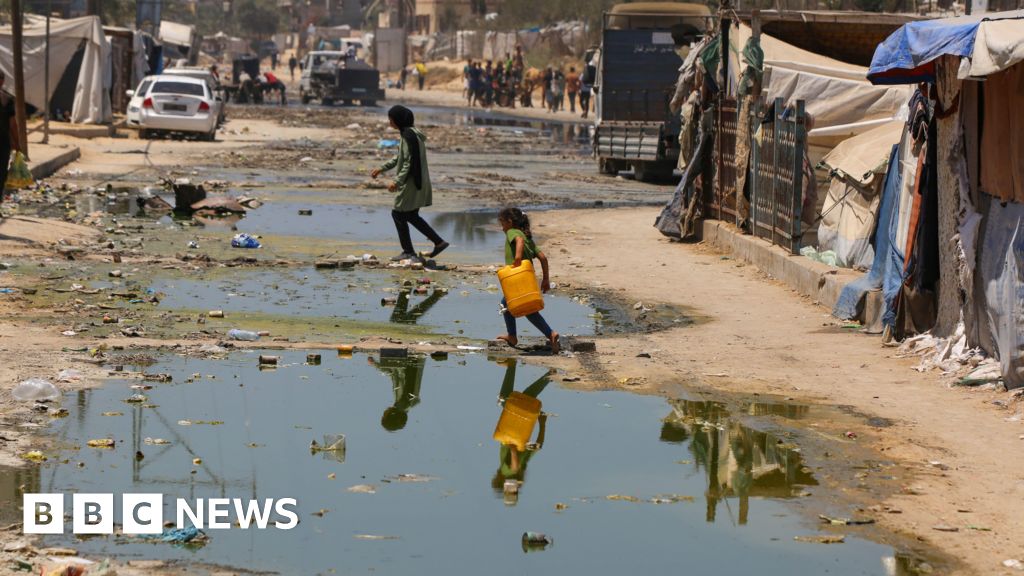
Health authorities in Gaza have issued warnings about the risk of a plague outbreak due to the rising number of rodents in the area. This alert comes as Gaza faces challenging health and environmental conditions, raising concerns for the safety of its residents.
Fears of plague transmission, a serious infectious disease, are increasing, especially after cases of rodents have been observed in residential areas. The Ministry of Health in Gaza has confirmed that the situation requires urgent measures to limit the spread of these rodents, which are considered primary carriers of the disease.
Details of the Situation
Reports indicate that rodents, particularly rats, have significantly spread across several areas of Gaza, threatening public health. Studies have shown that these rodents can carry plague bacteria, making the situation even more dangerous. The ministry has emphasized the urgent need to implement awareness campaigns and health measures to curb the spread of these animals.
In this context, officials have called for necessary cooperation between government entities and the local community to address this crisis. Disinfection campaigns have been organized in some areas, but they require more support and resources to achieve effective results.
Background & Context
Historically, Gaza has witnessed numerous epidemics and diseases due to poor health and environmental conditions. The blockade imposed on the region for years has significantly impacted the healthcare system, making residents more vulnerable to infectious diseases. Additionally, the lack of medical and environmental resources exacerbates the situation, necessitating a swift and effective response from the relevant authorities.
The plague is an ancient disease dating back to the Middle Ages, which caused millions of deaths during that period. However, effective vaccines and treatments are available today, making it possible to control the disease if appropriate measures are taken in a timely manner.
Impact & Consequences
If the spread of rodents is not controlled and the risk of plague is not mitigated, it could lead to an outbreak in Gaza, posing a significant threat to public health. Furthermore, a plague outbreak could impact the local economy, potentially leading to the closure of health institutions and increasing the burdens on an already struggling healthcare system.
This crisis requires a rapid response from the international community, as Gaza urgently needs medical and environmental support to tackle these challenges. There is also a need to provide the necessary resources to maintain the health and safety of the population.
Regional Significance
Gaza is part of a region suffering from numerous health and environmental crises. A plague outbreak in Gaza could have negative repercussions on neighboring countries, as the disease can cross borders. Therefore, it is essential for Arab countries to collaborate in addressing these health challenges.
Under the current circumstances, Arab nations must enhance cooperation in public health and share information and expertise to combat epidemics. Strengthening health infrastructure in Gaza and neighboring countries can contribute to reducing the spread of infectious diseases.
In conclusion, the situation in Gaza requires urgent attention from all concerned parties, as the health and safety of the population depend on taking effective and swift actions to confront the risk of a plague outbreak.