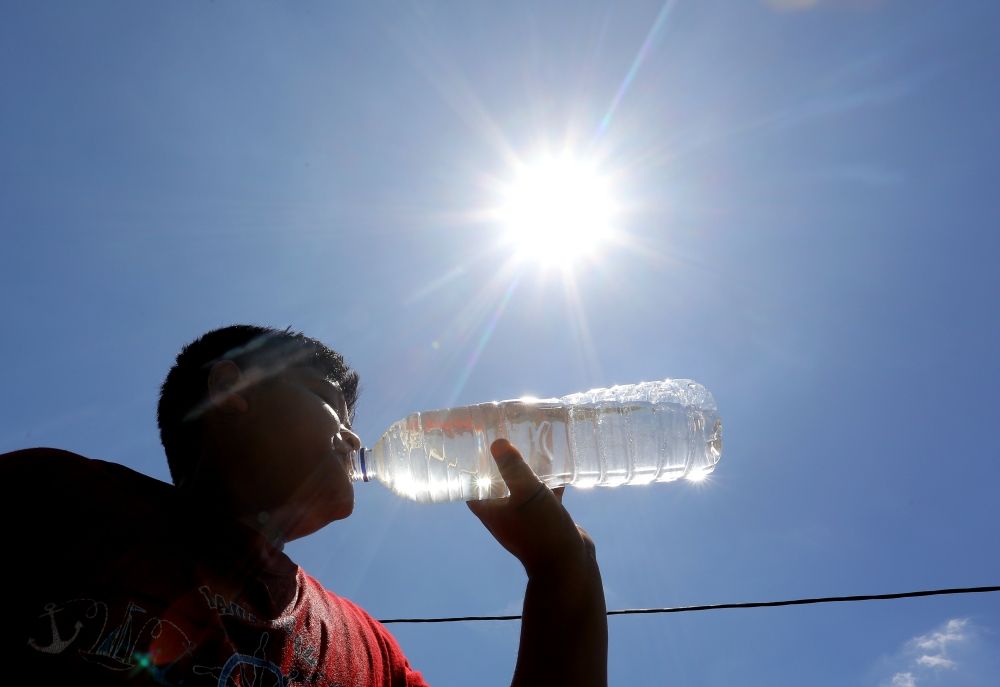
The Malaysian Ministry of Health has issued significant warnings to citizens in light of the severe heat wave currently affecting the country. The ministry has urged individuals to reduce the time spent outdoors and to lessen physical activities as essential measures to combat health risks linked to rising temperatures.
These warnings come at a time when Malaysia is experiencing unusually high temperatures, increasing the risk of dehydration and heat strokes. The ministry emphasized the importance of drinking adequate amounts of water and avoiding direct exposure to sunlight during peak hours.
Details of the Current Heat Wave
Malaysia is currently recording temperatures exceeding 35 degrees Celsius, which is considered unusual for this time of year. Officials from the Ministry of Health have indicated that this heat wave may last for several days, necessitating precautionary measures from citizens.
The ministry also added that children and the elderly are the most vulnerable to the dangers posed by these weather conditions, and families should take additional precautions to protect their members. Among the recommendations provided are avoiding strenuous physical activities, wearing light clothing, and refraining from going out during midday hours.
Background & Context
Heat waves are increasingly becoming a climatic phenomenon in many countries, affecting various regions around the world. Studies have shown that climate change plays a significant role in increasing the frequency and intensity of these phenomena, raising concerns about community health and its impact on daily life.
In recent years, Malaysia has experienced several heat waves, but this one is considered among the most severe. These conditions have led to increased pressure on the healthcare system, with rising cases of dehydration and heat-related injuries.
Impact & Consequences
The effects of heat waves extend beyond health, also impacting the local economy. With rising temperatures, agriculture and productivity may be affected, leading to increased food prices. Additionally, the surge in heat-related illnesses may place further strain on hospitals and healthcare services.
Moreover, these conditions could impact tourism, as tourists typically prefer to visit the country during moderate weather. Therefore, the Malaysian government faces significant challenges in managing these climatic crises.
Regional Significance
Many Arab countries are also experiencing severe heat waves, making this news particularly relevant to the region. With rising summer temperatures, health risks increase, especially in countries facing water resource shortages.
These conditions require a swift response from Arab governments by enhancing health awareness and providing necessary resources to address the effects of heat. Regional cooperation in managing climate crises can also contribute to improving responses to these challenges.
In conclusion, citizens in Malaysia and other Arab countries must exercise caution during these heat periods and adhere to health guidelines to ensure their safety.