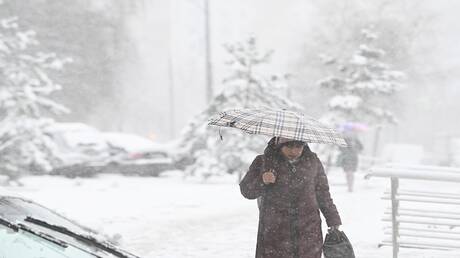
Today, Moscow witnessed an unprecedented snowstorm, accompanied by strong winds, resulting in numerous fallen trees and damage to both public and private properties. The storm led to the closure of certain roads and disrupted traffic, negatively impacting the lives of citizens.
The heavy snowfall in the Russian capital caused snow accumulation in the streets, making transportation difficult. Initial reports indicated that some buildings sustained damage due to fallen trees, necessitating the intervention of emergency teams to clear the obstacles.
Details of the Event
The snowstorm began early in the morning, with the city experiencing heavy snowfall that led to accumulation on streets and sidewalks. Local media captured scenes of individuals attempting to navigate through the snow while emergency teams worked to remove the barriers.
Authorities issued warnings to citizens to exercise caution while driving, as the storm resulted in multiple traffic accidents. Many flights were canceled due to the adverse weather conditions, further exacerbating the plight of travelers.
Background & Context
Snowstorms are a part of the harsh climate that Moscow endures during the winter season. However, the severity of this storm may be unusual, raising questions about the impact of climate change on weather patterns in the region. In recent years, Russia has experienced notable climate fluctuations that have affected agriculture and transportation.
Historically, Moscow has faced snowstorms, but recent storms have been more intense, indicating the need for preventive measures to cope with such conditions. Studies have shown that climate change may lead to an increase in the severity of snowstorms.
Impact & Consequences
The impact of the snowstorm on Moscow was evident, with damages leading to significant financial costs. Repair operations are expected to require considerable time and additional resources. The storm may also affect the local economy, particularly in the transportation and trade sectors.
Concerns are growing that such storms may become more common in the future, necessitating a swift response from the government to improve infrastructure and develop emergency plans. The psychological impact on residents may also be substantial, as many feel anxious about the harsh weather conditions.
Regional Significance
While Moscow grapples with this snowstorm, the Arab region faces different climatic challenges. Climate change affects the entire globe, including Arab countries that suffer from rising temperatures and drought. These events highlight the need for international cooperation to address climate challenges.
The snowstorms in Moscow serve as a reminder that climate change knows no borders, and countries need to work together to develop effective strategies to adapt to these changes. Additionally, these events may influence migration and displacement patterns, as people may seek more climatically stable regions.