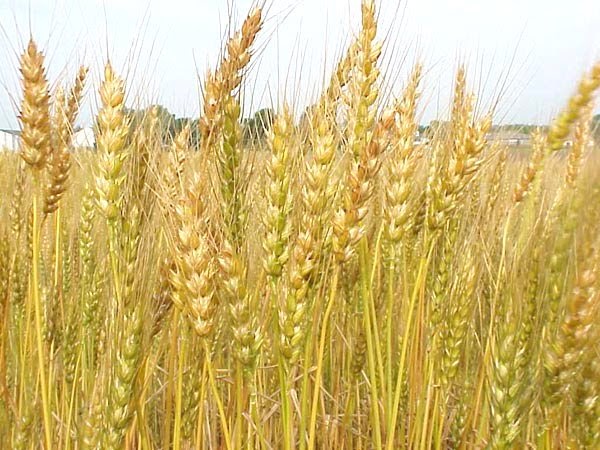
Hedge funds have expressed newfound optimism regarding wheat prices for the first time in four years, predicting that dry weather conditions in the United States, along with shortages of fertilizers and fuel, will lead to rising prices. This change in investor sentiment comes after a prolonged period of declining prices, indicating potential shifts in the global grain market.
Reports indicate that severe weather conditions in the United States, including drought, have significantly impacted wheat production. Additionally, the ongoing conflict in the Middle East has exacerbated shortages of fertilizers and fuel, contributing to increased costs and prompting investors to reassess their price expectations.
Details of the Event
Data shows that hedge funds have begun increasing their long positions in the wheat market, reflecting investor confidence in the potential for rising prices. This shift follows years of price declines, during which markets struggled with overproduction. However, current conditions suggest that the situation may be changing, opening up new opportunities for investors.
This move is seen as a sign of changing trends in the market, as investors seek to capitalize on the climatic and economic changes affecting grain production. These trends are expected to continue influencing global markets, making it essential to closely monitor developments.
Background & Context
Over the past four years, wheat prices have experienced significant fluctuations due to a variety of factors, including climate changes, trade policies, and geopolitical conflicts. In recent years, prices have been on the decline due to increased production in certain regions; however, current conditions indicate that this trend may be shifting.
Historically, wheat is considered a staple crop that impacts global food security. Any changes in its prices can significantly affect both local and international economies, highlighting the importance of understanding the factors influencing this market.
Impact & Consequences
The shift of hedge funds to a positive stance on wheat could have widespread implications for global markets. Rising prices may lead to increased costs for consumers, potentially impacting inflation in many countries. Additionally, this shift could influence the policies of wheat-producing nations, as governments may seek to support farmers in facing new challenges.
Furthermore, higher wheat prices could affect food security in many developing countries, where many rely on wheat as a primary food source. Therefore, it is crucial for governments and investors to closely monitor these developments.
Regional Significance
The Arab region is among the most affected by fluctuations in wheat prices, as many countries depend on wheat imports to meet their food needs. Any increase in prices could exacerbate food crises in some nations, necessitating swift government responses to ensure price stability.
Moreover, the conflict in the Middle East may disrupt supply chains, complicating the situation further. It is vital for Arab countries to collaborate in addressing these challenges and ensuring food security for their populations.
The shift of hedge funds to a positive outlook on wheat reflects significant changes in the market, and both investors and governments must be prepared to address the challenges and opportunities that may arise as a result.