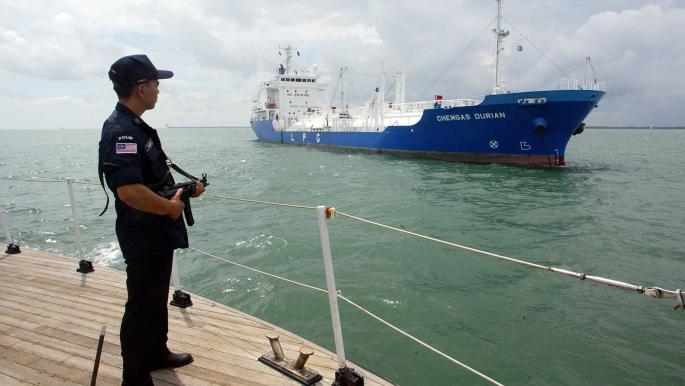
Global fears are rising regarding the Strait of Malacca, one of the world's key shipping routes, amid disturbances in the Strait of Hormuz. Recent events have underscored the importance of maritime passages and their impact on global trade flows, raising questions about the future of maritime security in the region.
The Strait of Malacca, which connects the Indian Ocean to the South China Sea, is one of the most important maritime corridors, with approximately 40% of global trade passing through it. In recent years, this strait has experienced increasing tensions due to regional conflicts and security threats, heightening concerns about the stability of navigation in the area.
Details of Recent Events
Recently, the Strait of Hormuz, a vital transit point for oil, has witnessed several incidents that have escalated tensions among the concerned nations. These events have prompted many experts to warn of the potential for these tensions to spill over into the Strait of Malacca, which could significantly impact global trade. Reports have noted an increase in military activity in the region, raising concerns about the safety of commercial vessels.
Tensions in the Strait of Hormuz, which include threats from certain regional countries, may lead to increased reliance on the Strait of Malacca as an alternative route. However, any escalation in this strait could negatively affect oil prices and global financial markets, placing additional pressure on the global economy.
Background & Context
The Strait of Malacca has a long history of tensions, having seen numerous maritime incidents in the past. In recent years, concerns over piracy and illegal activities in the area have prompted nations to bolster their military presence. These challenges reflect the growing geopolitical conflicts in Southeast Asia.
Historically, the Strait of Malacca has been a meeting point for many cultures and trade routes, but current tensions threaten this legacy. The countries bordering the strait, such as Malaysia, Indonesia, and Singapore, play a vital role in maintaining maritime security, yet they face significant challenges under the current circumstances.
Impact & Consequences
If tensions in the Strait of Malacca persist, it could lead to increased shipping costs, which would be reflected in commodity prices in global markets. Additionally, any escalation could affect the overall stability of the region and heighten tensions among major powers.
The repercussions may also include impacts on regional security, as crises in navigation could lead to military interventions by major powers. This situation could complicate international relations and affect political stability in the region.
Regional Significance
Arab countries, especially those reliant on oil, are directly affected by the tensions in the Strait of Malacca. Any increase in oil prices due to navigation disruptions could impact the economies of these nations, necessitating new strategies to address these challenges.
Furthermore, the stability of the Strait of Malacca affects Arab trade flows with East Asian countries, making it essential to enhance regional cooperation to ensure maritime navigation security.
In conclusion, concerns regarding the Strait of Malacca remain significant, as the current situation requires careful monitoring and international cooperation to ensure the stability of maritime trade and protect the economic interests of the involved nations.