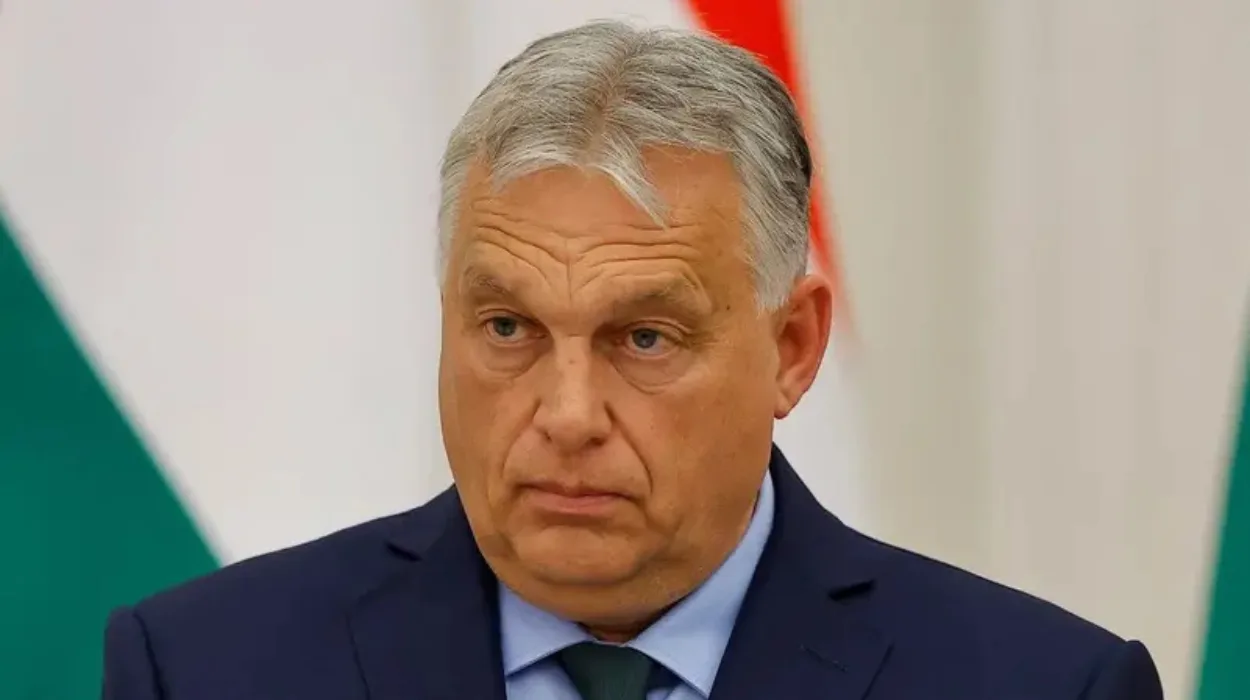
Leaked phone conversations between a journalist and a representative of the European Commission have sparked anxiety in Brussels, reflecting growing doubts about the policies of the Hungarian government and its close ties to the Kremlin. This comes at a sensitive time as Hungary gears up for local elections that could significantly impact the country's political landscape.
Concerns are mounting within European circles that the Hungarian government, led by Prime Minister Viktor Orbán, may adopt policies that contradict European values, escalating tensions between Budapest and Brussels. The leaked conversation revealed significant worries about the implications of these policies for regional stability.
Details of the Incident
The leaked conversation included discussions on how the European Commission should address the Hungarian situation, with the representative expressing concern over the increasing Russian influence in Central Europe. These leaks surfaced amid a growing debate surrounding the Hungarian elections, which could be seen as a real test for European policies towards member states that align closely with Moscow.
In recent years, the Hungarian government has taken controversial steps, such as curtailing press freedom and tightening control over media institutions, which have drawn widespread criticism from human rights organizations and the European Union. These policies could significantly affect the outcomes of the upcoming elections, as Orbán is expected to face new challenges from the opposition.
Background & Context
Historically, Hungary was part of the Soviet bloc but transitioned to democracy following the collapse of communism in 1989. Since then, the country has undergone significant political and economic transformations; however, in recent years, some authoritarian policies have resurfaced. Orbán is considered one of the prominent leaders who have taken stances that conflict with European Union policies, leading to ongoing tensions.
Moreover, relations between Hungary and Russia have strengthened in recent years, as Budapest seeks to balance its national interests with European pressures. These dynamics reflect the challenges Europe faces in dealing with member states that adopt unconventional policies.
Impact & Consequences
The leaked phone conversation could escalate tensions between Brussels and Budapest, potentially affecting the financial and political support the European Commission provides to Hungary. If the Hungarian government continues to adopt policies aligned with the Kremlin, it may face sanctions or increased pressure from the European Union.
Additionally, these events could bolster the position of the Hungarian opposition, which seeks to leverage these crises to enhance its popularity in the upcoming elections. Such dynamics could lead to radical political changes in the country, potentially affecting the stability of the region as a whole.
Regional Significance
The events in Hungary hold particular significance for the Arab region, as they illustrate how internal policies can impact foreign relations. Amid ongoing tensions between Russia and the West, some Arab countries may seek to capitalize on these dynamics to strengthen their ties with major powers.
Furthermore, democratic experiences in European countries may serve as a model for some Arab nations, which strive to enhance political freedoms and reforms. Therefore, what happens in Hungary could have indirect effects on policies in the Arab region.