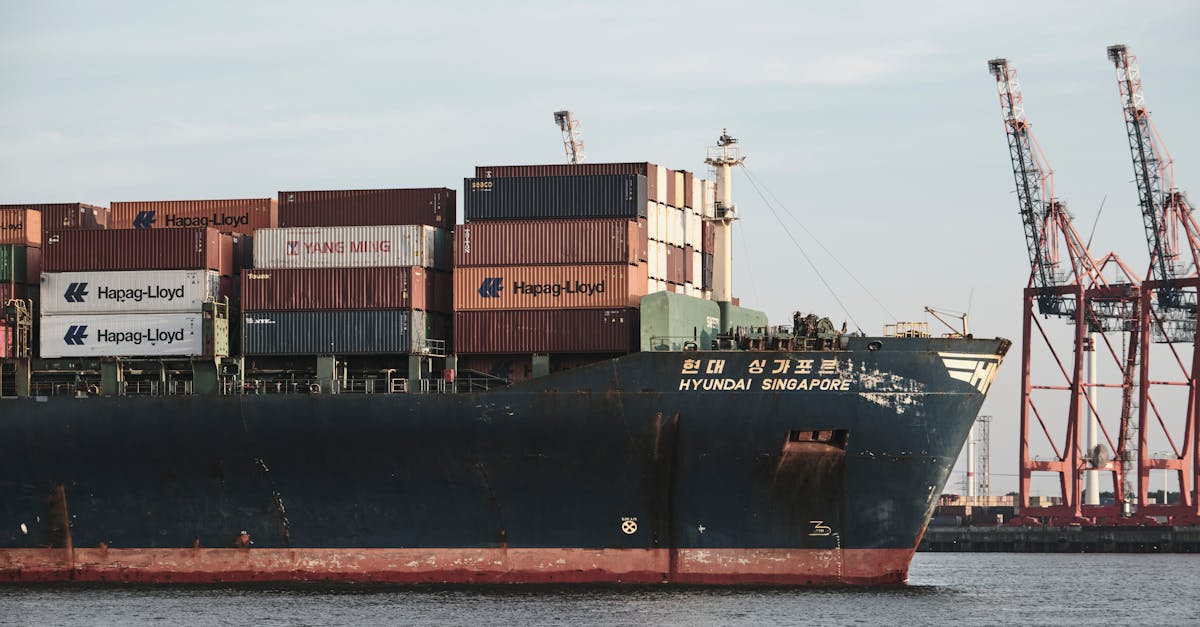
Reports indicate that the increasing military tensions with Iran could lead to significant disruptions in commodity flows, raising concerns about negative impacts on both regional and international economies. Amid rising threats, experts believe that this conflict is directly targeting Iran's economic capabilities, which could adversely affect global markets.
There are growing fears that any military escalation could result in the closure of the Strait of Hormuz, a vital corridor for global oil trade. Approximately 20% of total global oil exports pass through this strait, making any threat to it have widespread implications for oil prices and financial markets.
Details of the Situation
Recently, the rhetoric between the United States and Iran has intensified, with Washington accusing Tehran of supporting armed groups in the region. Experts have pointed out that such statements could lead to military escalation, increasing the risks of commodity flow disruptions.
Additionally, there are concerns that the economic sanctions imposed on Iran could exacerbate the situation, as Tehran seeks to bolster its defensive and economic capabilities in the face of international pressures. Many analysts have confirmed that this escalation could lead to rising prices for essential commodities, affecting consumers worldwide.
Background & Context
Historically, the relationship between the United States and Iran has been marked by ongoing tensions, especially following Washington's withdrawal from the nuclear agreement in 2018. Since then, the U.S. has imposed a series of economic sanctions targeting vital sectors of the Iranian economy, negatively impacting the country's economic growth.
Iran is considered one of the largest oil producers in the world, and with escalating tensions, this sector may face additional pressures. The sanctions have curtailed Iranian oil exports, increasing its reliance on black markets and informal trade.
Impact & Consequences
If tensions continue to escalate, the repercussions could include rising oil and commodity prices, which would impact the global economy. Any disruption in commodity flows could lead to supply shortages, adversely affecting both consumers and businesses alike.
Furthermore, these conditions could exacerbate humanitarian crises in the region, where many countries are suffering from the effects of conflicts and sanctions. Thus, any military escalation could worsen the humanitarian situation in Iran and neighboring countries.
Regional Significance
The Arab countries neighboring Iran, such as Iraq and those in the Arabian Gulf, are among the most affected by the current tensions. Any military operations could lead to an influx of refugees and increased sectarian tensions in the region.
Moreover, Arab nations that rely on oil may face economic challenges due to rising oil prices, potentially affecting development and investment plans in these countries. Therefore, the situation in Iran poses a challenge not only for Tehran but for the entire region.
In conclusion, the situation in Iran remains under close observation, with experts expecting that tensions will continue to impact both regional and international economies. It is crucial for the concerned nations to remain prepared to address any developments that may arise on the ground.