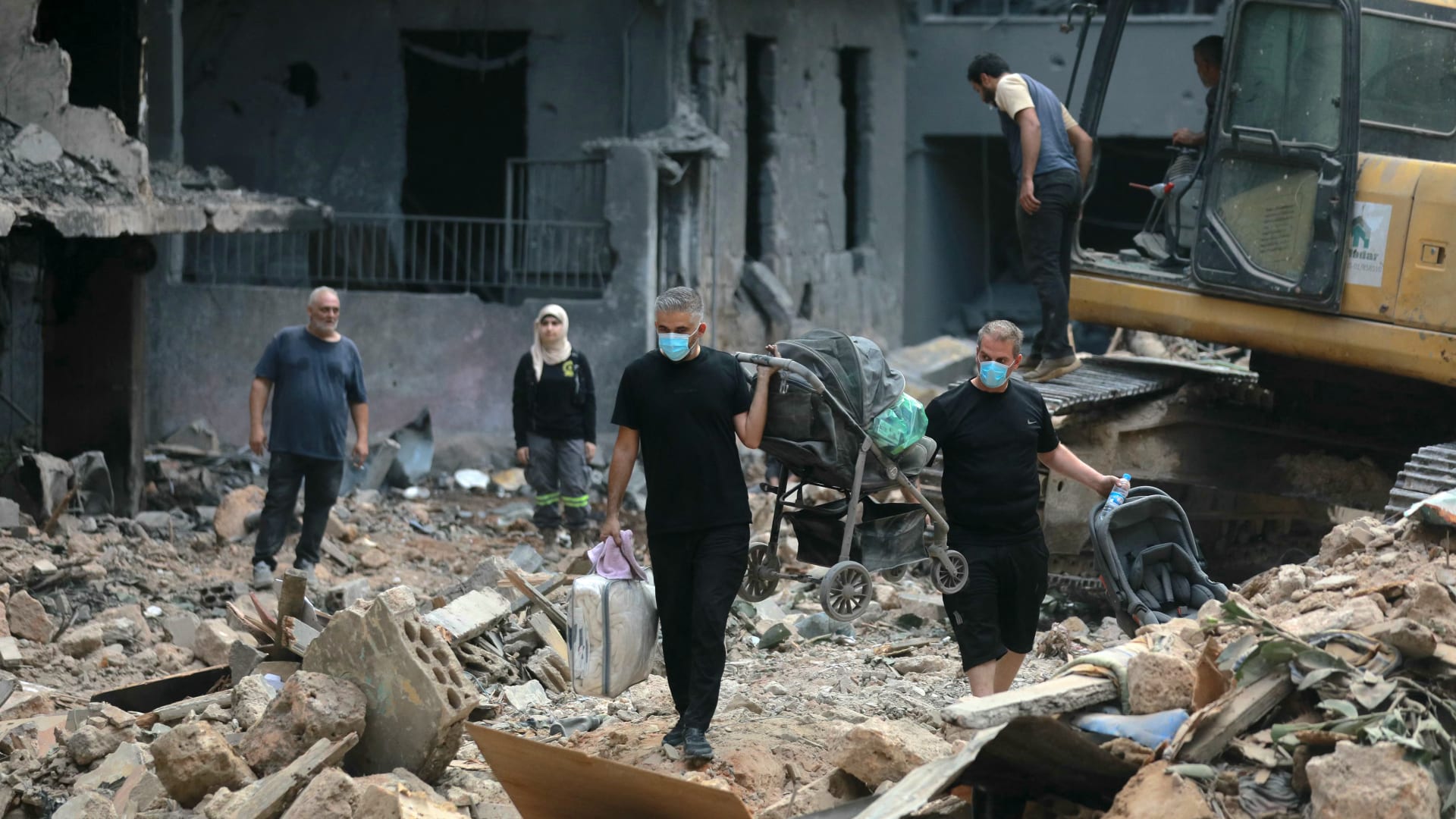
The Lebanese Hezbollah reported that it executed 14 attacks aimed at Israeli military sites, including troop gatherings and military vehicles, mainly in the southern region of Lebanon. The operations included missile strikes, drone attacks, and artillery fire, within what the group described as a defensive move to protect Lebanon's sovereignty.
These statements were delivered through multiple communications from military media affiliated with Hezbollah, emphasizing the importance of these operations amid rising tensions between Lebanon and Israel. These operations reflect a recurrence of the mutual escalation between the two sides, particularly in recent months.
The history of Lebanese-Israeli relations has been marked by ongoing tension, beginning with the 1948 war and its impact on the Arab-Israeli conflict, continuing through the years of the Lebanese civil war and the 2006 conflict. Hezbollah, classified as a terrorist organization by many countries and considered by some as a legitimate resistance against Israeli occupation, is one of the most prominent armed groups in Lebanon and has a long history of confronting Israeli forces.
The recent military escalation indicates that the region continues to suffer from a cycle of violence and tension. Despite international attempts to achieve peace, the repetition of such attacks signals a failure to address the root causes of the conflict.
The potential consequences of this escalation could be serious, as the situation may lead to further increases in violence in the region, threatening security and stability in Lebanon, Palestine, and Israel alike. These military operations could ignite further military confrontations, especially if Israel responds in a traditional manner by using force.
Lebanese-Israeli relations have undergone severe fluctuations, and with the increase in military operations, the question remains whether a larger clash might occur that could also affect neighboring countries. Lebanon is known to have elements within Hezbollah that are considered linked to Iran, making the local dispute have regional implications.
This escalation also comes at a sensitive time when the region is experiencing numerous political and economic crises, as some Arab countries are trying to achieve stability and seek solutions to internal crises, making it difficult for Lebanese leaders to secure a safe living environment and reconstruction after years of conflict.
In summary, Hezbollah's recent operations are a clear continuation of the escalation trend in the region, which may drag Lebanon into further security and humanitarian crises, amid uncertainty about how the international community will evaluate such actions. Rapid developments indicate that the underlying problems faced by the region will not be easily resolved, and security may remain precarious under these tense circumstances.