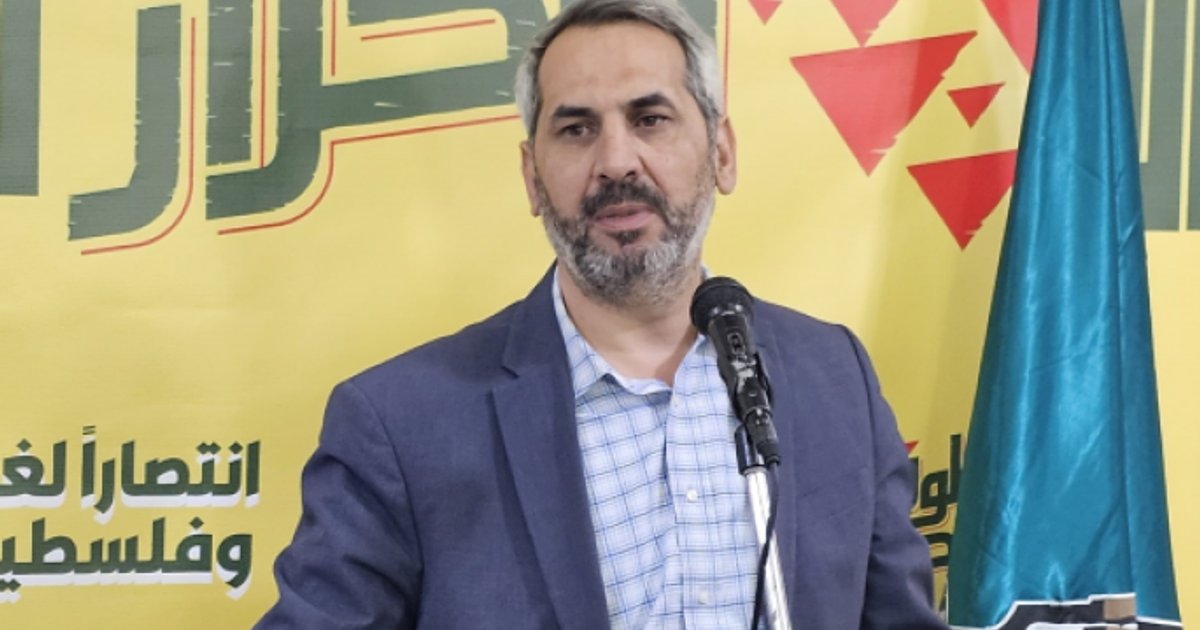
Hezbollah MP Ihab Hamadeh stated that the negotiations currently taking place in Washington represent a "table of alliance between the Lebanese authority and Israel at the expense of the Lebanese people." These remarks highlight the increasing anxiety regarding the implications of these negotiations on Lebanon's internal situation, with Hamadeh arguing that such steps bolster Israel's position at the expense of Lebanese rights.
These statements come at a sensitive time, as Lebanon faces significant economic and political challenges. Hamadeh pointed out that the lack of communication with President Michel Aoun in this context reflects a deep internal division on how to address regional and international issues.
Details of the Negotiations
The negotiations in Washington are part of American efforts to resolve border disputes between Lebanon and Israel, particularly concerning gas and oil resources in the Mediterranean Sea. However, Hezbollah believes that these negotiations lack transparency and serve the interests of major powers at the expense of the Lebanese people.
Hamadeh, representing one of Lebanon's prominent political forces, emphasized that these negotiations do not reflect the will of the Lebanese people but are a result of international pressures aimed at achieving specific goals in the region. He also noted that the absence of communication with Aoun complicates the political situation in the country.
Background & Context
Lebanon is suffering from a severe economic crisis, with living conditions deteriorating significantly in recent years. This crisis coincides with escalating regional tensions, further complicating the political landscape. In this context, negotiations with Israel are a sensitive issue, as many Lebanese reject any form of cooperation with the Israeli state.
Historically, Lebanese-Israeli relations have been tense, with the region experiencing ongoing conflicts for decades. This background makes it challenging for any Lebanese government to take steps toward dialogue with Israel without facing strong backlash from the Lebanese street.
Impact & Consequences
The statements made by Hamadeh could escalate political tensions in Lebanon, potentially strengthening the position of forces opposing Hezbollah and increasing internal divisions. Additionally, these negotiations may affect relations between Lebanon and other Arab countries, which are closely monitoring the situation.
If negotiations continue without consideration for Lebanese interests, they could provoke strong popular reactions, increasing pressure on the Lebanese government. This situation may exacerbate current crises and heighten instability in the country.
Regional Significance
The ramifications of these negotiations extend beyond Lebanon, potentially affecting relations between Arab countries and Israel. If an agreement is reached, it may encourage other nations to take similar steps, altering the dynamics of conflict in the region.
Conversely, the failure of these negotiations could lead to increased regional tensions, as the Palestinian issue and border, oil, and gas disputes remain at the forefront of concerns. Therefore, the situation in Lebanon remains pivotal in the context of regional events.
In conclusion, MP Ihab Hamadeh's statements reflect the growing concern over the impact of ongoing negotiations in Washington on Lebanon, highlighting the challenges the country faces amid multiple crises. All eyes remain on upcoming developments, which may determine Lebanon's future.