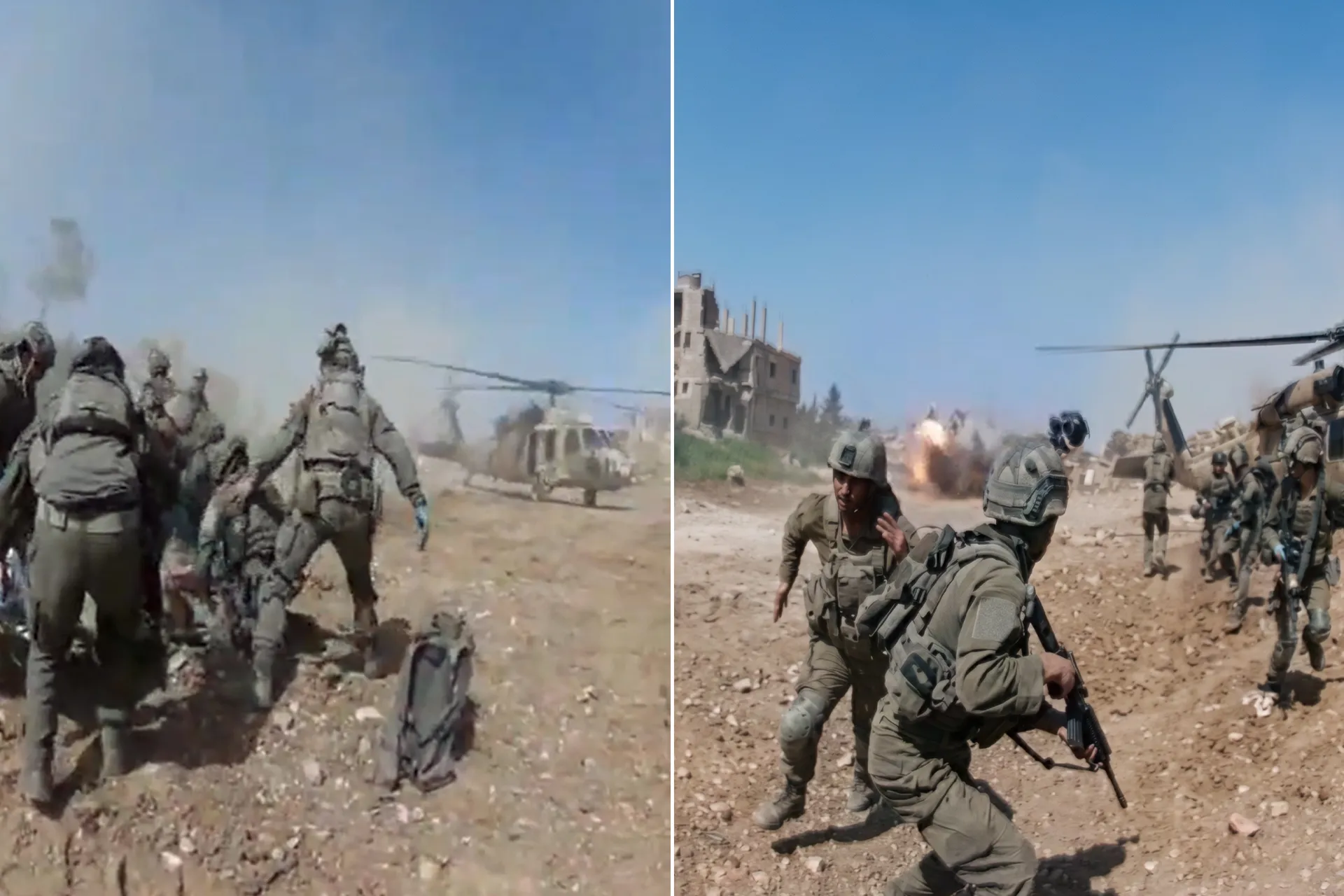
Hezbollah's fiber-optic drones have thrown the Israeli army into disarray, managing to circumvent jamming and surveillance systems, which has resulted in direct casualties among Israeli troops. These developments reflect a rising field incapacity, plunging soldiers and commanders into a state of escalating frustration.
Amid the intensifying military operations in southern Lebanon, these drones have emerged as a decisive factor reshaping the battlefield landscape. Despite the intensification of Israeli airstrikes and the announcement of targeting over a thousand facilities, the Israeli army faces serious challenges, as reported by Al Jazeera's bureau chief in Ramallah, Walid Al-Omari.
Details of the Incident
Al-Omari pointed out that the frustration within combat units stems from the Israeli army's lack of adequate tools to intercept these drones. The fiber-optic guided aircraft continue to carry out precise strikes, resulting in casualties among soldiers in recent days, deepening the sense of operational incapacity.
The continued effectiveness of these drones, despite the intensity of Israeli strikes, reflects the limited impact of firepower in neutralizing this threat. It also reveals an operational gap that is widening over time, in the absence of rapid technical solutions within the Israeli army.
Background & Context
In the operational context, Abdel Qader Arada explained that the Israeli army has expanded its operations targeting multiple areas south and north of the Litani River. Despite the ongoing bombardment and demolition of residential blocks, this has not succeeded in curbing the effectiveness of Hezbollah's attacks.
The most significant shift in this confrontation is the introduction of wired drones into the battlefield, a qualitative development that poses an unprecedented challenge to the Israeli army's defensive capabilities. These aircraft rely on fiber-optic guidance, eliminating the possibility of interception through electronic warfare.
Impact & Consequences
These drones possess characteristics that make them extremely difficult to detect through conventional systems. They are made of fiberglass, which reduces their thermal and radar signatures, granting them high maneuverability despite their relative susceptibility to weather conditions.
The impact of these drones is evident on the deployment of Israeli forces, especially in areas such as Qantara, Kherbet Selm, and Shama, where precise operations have resulted in human and material losses. This weapon reflects a shift in the pattern of confrontation, as it provides Hezbollah with the capability to carry out precise and continuous attacks without facing the risks of jamming or interception.
Regional Significance
These developments indicate a shift in the balance of power in the region, reflecting Hezbollah's ability to utilize advanced technologies in the conflict. This could alter the strategies of other countries in the region and increase tensions in the context of the Arab-Israeli conflict.
In conclusion, these drones remain a significant challenge for the Israeli army, necessitating a reevaluation of its defensive and technical strategies to confront these escalating threats.