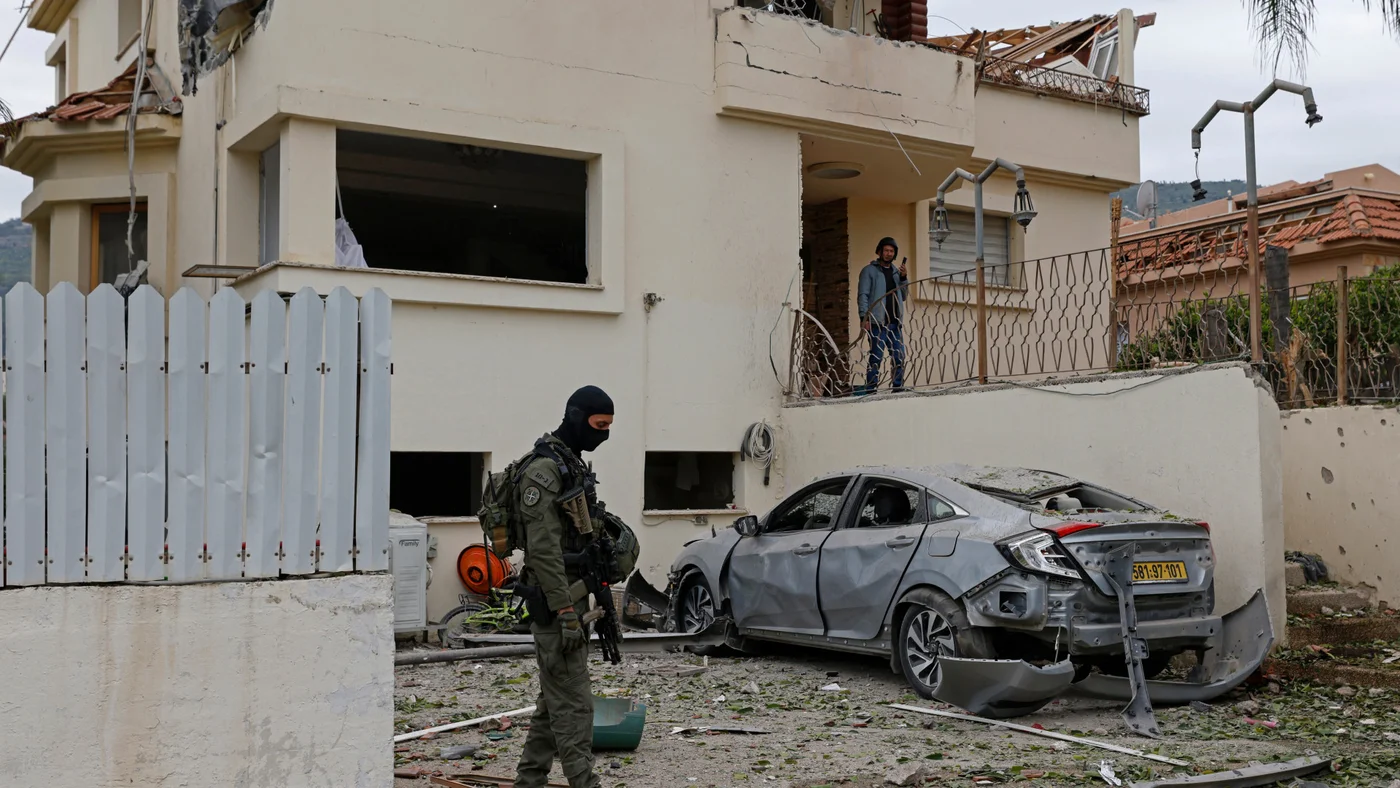
In an unexpected turn of events, the Lebanese Hezbollah has re-emerged with renewed military capabilities and strategies along the border after the war with Israel in 2024. This resurgence has posed significant challenges for Israeli forces in adapting to the new situation. Once considered defeated, Hezbollah launched an offensive on the Lebanese border on March 2, 2026, utilizing new weaponry and effective guerrilla warfare tactics.
Despite the heavy losses the group suffered during the previous war, which resulted in the deaths of approximately 4,000 fighters, Hezbollah managed to rapidly rebuild its military capabilities. Israeli reports indicated that Hezbollah launched over 5,000 rockets and drones at Israel from March 2 to March 30, demonstrating a significant restoration of its firepower.
Event Details
Reports show that Hezbollah was able to fire more than 600 shells in a single day, reflecting the group's capacity to conduct intensive offensive operations. On the southern front, Israeli forces have suffered considerable losses, with 11 soldiers killed and over 300 injured since the war began, while Hezbollah claimed to have destroyed 136 Merkava tanks.
Although Israel managed to control 208.5 square kilometers of Lebanese territory, these areas remain contested, highlighting the difficulty of achieving Israeli military objectives.
Background & Context
After the war that lasted from October 8, 2023, to November 27, 2024, many believed that Hezbollah had lost its strength. However, the reorganization of the party under the leadership of a new generation of leaders aged between 30 and 40 has contributed to the rebuilding of its military structure. These new leaders possess strong educational backgrounds, enabling them to develop new strategies to face challenges.
The group has also relied on new communication methods to evade Israeli intelligence breaches, helping it maintain the secrecy of its movements and operations.
Impact & Consequences
Current developments indicate that Hezbollah has successfully rebuilt its military strength, which could alter the balance of power in the region. Analyses suggest that this advancement may compel Israel to reassess its military strategies, especially with increasing internal pressures to limit war objectives.
This situation may also raise concerns among neighboring countries, as the rising military power of Hezbollah could escalate conflicts in the region and increase tensions among different sects in Lebanon.
Regional Significance
The resurgence of Hezbollah is indicative of the ongoing challenges faced by Arab countries in confronting external threats. This situation may also affect relations between Arab nations and Israel, potentially leading to further divisions among various sects in Lebanon.
In conclusion, Hezbollah's strong return to the military arena signifies a significant shift in regional dynamics, necessitating Arab nations to adopt strategic positions to address these challenges.